HYBO Energy
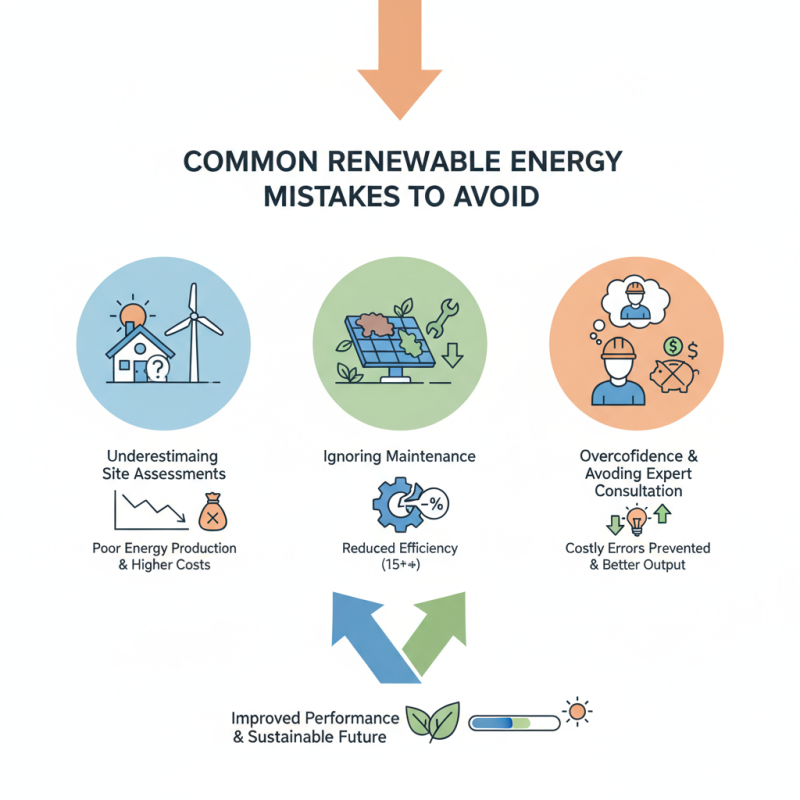
The transition to renewable energy is essential for a sustainable future. However, many individuals and organizations fall prey to common pitfalls. Understanding these "Common Renewable Energy Mistakes To Avoid" is crucial to optimize investments and achieve effective implementations. Research from the International Renewable Energy Agency (IRENA) highlights that improper planning can lead to up to 30% higher project costs.
One prevalent mistake is underestimating the importance of site assessments. Neglecting detailed studies can result in poor energy production. For instance, solar panel installations benefit significantly from accurate solar irradiance data. Another frequent oversight involves ignoring maintenance requirements. According to the U.S. Department of Energy, inadequate upkeep can reduce a renewable source’s efficiency by 15% or more over time.
Awareness and education are key to mitigating these issues. Many decision-makers exhibit overconfidence, thinking they can manage without proper guidance. Yet, investing in expert consultation often pays off, preventing costly errors and ensuring better energy output. A focus on rectifying these common mistakes not only boosts performance but also contributes to a more sustainable energy landscape.
Many people hold misconceptions about renewable energy technologies. One common mistake is thinking that they are not efficient enough. According to the International Renewable Energy Agency (IRENA), solar panels can achieve efficiency rates above 20% in ideal conditions. Wind turbines also convert over 40% of wind energy into electricity, rivaling fossil fuels.
Another misunderstanding is the belief that renewable technologies are too expensive. A report by Lazard shows that the cost of solar energy has dropped by 89% since 2009. This makes solar among the cheapest sources of energy today. Despite these facts, some individuals still fear high upfront costs without considering long-term savings.
People often overlook the variability of renewable sources. Solar and wind energy depend on weather conditions. However, advancements in energy storage technologies are addressing this issue. Batteries can store energy for use when generation is low. These misconceptions can deter investments and slow the transition to cleaner energy. Understanding the real potential of renewable technologies is crucial for a sustainable future.
When transitioning to renewable energy, proper research is crucial. Many enthusiasts jump into installations without understanding their specific needs. A study by the National Renewable Energy Laboratory indicates that poorly chosen systems can lead to performance gaps of up to 30%. Such gaps can turn potential savings into unanticipated costs.
Understanding your energy consumption is essential. Analyze your current usage. Homes with high energy demands may not benefit from smaller solar systems. Additionally, choosing the wrong type of renewable system can be detrimental. For example, wind energy systems may be ineffective in areas with low wind speeds. A good rule of thumb is to match your system to your geographic conditions.
Tips: Consult with energy experts to assess your needs. Their insights can help you avoid costly mistakes. Spend time researching available technologies. Check local incentives and regulations for renewable energy systems. Keep in mind that information is constantly evolving. Be prepared to adapt your plans based on new data. This ongoing learning process is vital for long-term success in renewable energy.
| Mistake | Impact | Recommendation |
|---|---|---|
| Ignoring Local Regulations | Potential fines and project delays | Research local laws and compliance requirements |
| Not Assessing Site Suitability | Inefficient energy production | Conduct a detailed site analysis |
| Failure to Compare Technologies | Higher costs and lower efficiency | Evaluate pros and cons of different renewable technologies |
| Overlooking Maintenance Requirements | Increased operational costs | Consider maintenance needs before selecting a system |
| Neglecting Financial Considerations | Budget overruns and financial strain | Create a detailed financial plan including all costs |
In the journey toward renewable energy, overlooking energy storage solutions is a critical mistake. The global renewable energy capacity is expected to grow significantly, reaching 4,480 GW by 2024, according to the International Renewable Energy Agency (IRENA). However, without effective storage, this energy may go to waste. Limited storage capabilities can result in excess energy during peak production times that cannot be utilized.
Batteries and other storage technologies play a vital role in stabilizing power supply. The U.S. Energy Information Administration (EIA) reported that battery storage capacity is projected to exceed 30 GW by 2030. This number highlights the increasing acknowledgment of storage needs. Yet, many projects still underestimate the required capacity. Proper integration of energy storage can mitigate downtime and address the intermittency of renewable sources like solar and wind.
Ignoring storage can lead to suboptimal energy use and financial losses. Some projects, in their haste to implement renewable solutions, proceed without adequate planning for storage. This oversight can hinder grid resilience and affect long-term sustainability. Energy systems should evolve to include comprehensive storage strategies to fully realize the potential of renewable resources.
Investing in renewable energy is a smart choice, but neglecting regular maintenance can lead to costly mistakes. Many users overlook the importance of routine checks and upgrades on their systems. Regular inspections can identify small issues before they become major problems. This proactive approach ensures efficiency and longevity.
Tips: Set a schedule for system maintenance. Monthly checks can help. Look for wear and tear on equipment. This simple step can save you money in the long run.
Upgrading components is equally critical. Technology evolves rapidly, and older systems can become inefficient. By upgrading, you can enhance performance and reduce energy costs. Many users resist change, fearing the expense, yet the savings often outweigh the initial investment.
Tips: Research available upgrades regularly. Consult with experts to find the best solutions. Don't let outdated technology hold you back. Adjusting your system could yield better energy output and savings.
When considering renewable energy options, many overlook local regulations and incentives. This can lead to costly mistakes. Each region has unique policies that can impact your project. If you neglect to research these rules, your efforts could unravel. Fines or project delays can arise from simple oversights.
Taking the time to understand local incentives is equally essential. Many communities offer financial benefits for renewable energy projects. These can significantly reduce initial costs. For instance, tax credits can lower your budget. Grants may provide additional support. Missing these opportunities means losing out on potential savings.
Navigating regulations can be challenging. Information might be scattered across different agencies. It's important to seek accurate guidance. Local government websites and energy offices can help. Engaging with professionals can clarify complex requirements. Avoid rushing into decisions without proper knowledge. Thoughtful planning can lead to a successful transition to renewable energy.
: Proper research ensures systems meet specific needs and avoids performance gaps, which could lead to increased costs.
Analyze current energy usage to identify if a smaller system meets your high energy demands effectively.
Match the system type with geographic conditions, like ensuring adequate wind for wind energy systems.
Regular maintenance helps identify small issues, preventing them from becoming costly problems and ensuring efficiency.
Monthly checks can help detect wear and tear, maintaining system performance and longevity effectively.
Upgrading components can enhance efficiency; older systems may become less effective over time.
Neglecting local regulations can lead to fines and project delays, making it's essential to understand them.
Many communities offer financial benefits like tax credits and grants that can significantly reduce project costs.
Engage with local government websites or energy offices for guidance on complex requirements and available support.
Consult with energy experts for insights and advice; this can help you avoid common mistakes and enhance plans.
When considering renewable energy solutions, it’s crucial to steer clear of **Common Renewable Energy Mistakes To Avoid**. Many individuals fall prey to misconceptions about these technologies, which can lead to uninformed decisions. Failing to conduct proper research before selecting renewable systems often results in inefficiencies and unmet expectations. Additionally, the importance of energy storage solutions is frequently overlooked, which can drastically affect system performance and reliability.
Moreover, neglecting regular maintenance and upgrades can diminish the effectiveness of renewable energy systems over time. Finally, a common mistake is not taking local regulations and incentives into account, which can provide significant financial benefits and ensure compliance. By avoiding these pitfalls, you can maximize the benefits of renewable energy while contributing to a more sustainable future.
