HYBO Energy HYBO Energy

Energy Monitoring Systems Benefits for Businesses Explained?

Time:2026-06-16 Author:Mason
0%

In today's fast-paced business environment, managing energy consumption is crucial. Energy monitoring systems provide organizations with valuable insights into their energy usage. They assist in identifying inefficiencies and optimizing operations. According to John Smith, an expert in energy management, "Understanding energy consumption is the first step towards efficiency." His insights underline the importance of these systems in driving sustainable practices.

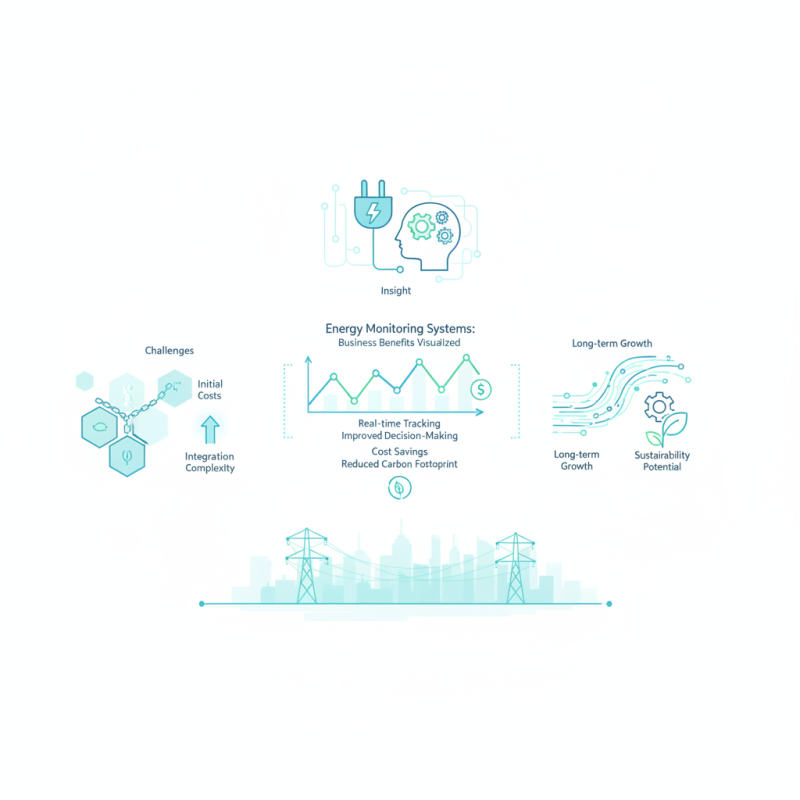
The Energy Monitoring Systems Benefits Guide highlights several key advantages. These systems empower businesses to track real-time energy usage. They allow for better decision-making and resource management. By leveraging this technology, companies can cut costs and reduce their carbon footprint. However, many still overlook these vital tools, missing out on significant savings and improvements.

Implementing energy monitoring may seem complex. Businesses may struggle with initial costs and integration. Yet, the long-term benefits often outweigh these challenges. Leaders must recognize the potential for growth and sustainability that energy monitoring systems can offer. Reflecting on these points can guide businesses in making informed decisions about their energy management strategies.
Energy Monitoring Systems Benefits for Businesses Explained?

Understanding Energy Monitoring Systems: An Overview

Energy monitoring systems are essential tools for businesses aiming to enhance efficiency. They provide real-time data on power usage. This allows companies to identify energy waste and understand consumption patterns. Such insights can lead to significant cost savings over time. A smart system tracks not just total usage, but also breaks it down by department or equipment.

Implementing an energy monitoring system often reveals unexpected issues. For instance, old machines may draw more power than expected. Employees might not be aware of their energy habits, leading to excess use. By analyzing data, businesses can adjust practices and improve habits. Regular reports from these systems can spark discussions about energy conservation. They encourage a culture of accountability among staff. The focus on measurable results can sometimes lead to pressure, but it also fosters innovation in energy efficiency.

Key Benefits of Energy Monitoring for Businesses

Energy monitoring systems offer significant advantages for businesses. One key benefit is the ability to track energy consumption in real time. This provides insights into usage patterns, allowing companies to identify areas of waste. By understanding where energy is being consumed, businesses can make informed decisions to optimize their operations.

Another important aspect is cost reduction. By monitoring energy usage, businesses can spot inefficiencies and implement changes to lower their bills. Simple adjustments, such as upgrading lighting or improving HVAC systems, can lead to substantial savings. Regular analysis can reveal trends that might go unnoticed otherwise, exposing opportunities for further reductions.

However, integrating an energy monitoring system is not without challenges. Some companies may find the initial setup complex. Training staff to interpret data can also take time. Yet, these systems can empower employees to take pride in energy conservation efforts. As businesses develop a culture of efficiency, they can enhance their reputation and foster loyalty among conscious consumers.

How Energy Monitoring Systems Enhance Operational Efficiency

Energy monitoring systems (EMS) play a pivotal role in enhancing operational efficiency for businesses. These systems allow organizations to track and analyze energy consumption in real time. A report from the U.S. Department of Energy shows that improving energy efficiency can reduce operating costs by up to 30%. This substantial reduction can translate to significant savings, particularly for industries that rely heavily on energy.

Real-time data enables proactive decision-making. Businesses can identify energy wastage patterns and adjust processes accordingly. For instance, energy spikes during specific times can signal equipment malfunction or inefficiencies. Companies using EMS often report improved productivity and reduced downtime, as personnel can address issues before they escalate.

Tips: Regularly review energy reports to spot trends. Involve your team in energy-saving initiatives. Adjustments in daily operations, like scheduling equipment use during off-peak hours, can lead to energy and cost savings. Remember that understanding energy usage is an ongoing journey. Establish benchmarks for your operations and strive for continuous improvement.

Financial Implications: Cost Savings through Energy Monitoring

Energy monitoring systems are transforming the way businesses manage their energy consumption. By providing real-time data, these systems enable companies to pinpoint energy usage patterns. This insight helps identify inefficiencies and areas for improvement. When businesses reduce energy waste, they see significant cost savings over time.

Implementing energy monitoring can deliver tangible financial benefits. Many companies experience a 10% to 30% reduction in energy costs after adopting these systems. This reduction might seem modest, but the savings can accumulate significantly. For instance, a company spending $50,000 annually on energy could save between $5,000 and $15,000 each year. Viewing these savings as part of overall spend management can enhance business profitability.

While the initial investment in energy monitoring technology may seem high, the long-term return on investment is often substantial. However, businesses should carefully assess their energy monitoring needs. Some systems may not provide a good fit, leading to wasted resources. A tailored approach ensures that energy monitoring aligns with specific business objectives. This reflection on appropriateness is crucial for maximizing benefits.

Case Studies: Successful Implementation of Energy Monitoring Systems

Energy monitoring systems offer significant benefits for businesses aiming to enhance efficiency and reduce costs. Many organizations successfully implemented these systems, leading to remarkable outcomes. For instance, a manufacturing company reduced its energy expenses by 20% within a year through targeted monitoring. By analyzing real-time data, they identified peak usage times and adjusted operations accordingly. This case highlights how data-driven decisions can translate into significant savings.

Another case involved a retail chain that adopted energy monitoring to optimize its lighting and heating systems. By utilizing user-friendly dashboards, they pinpointed energy wastage. As a result, they improved energy efficiency by 15%, demonstrating the power of actionable insights. Businesses should consider integrating systems that allow for easy access to data. Real-time tracking may foster a culture of accountability among staff.

**Tips:** Start with a pilot program. It’s advisable to monitor a single facility before scaling up. Engage employees early on to encourage participation. Regularly review energy reports and adjust strategies based on findings. This proactive approach can yield substantial long-term savings and drive sustainability efforts within an organization.

Energy Monitoring Systems Benefits for Businesses Explained

Aspect Description Impact
Cost Savings Reduction in energy consumption through real-time monitoring Up to 25% reduction in energy costs
Enhanced Sustainability Improved tracking of energy usage for sustainability goals Better corporate image and reduced carbon footprint
Operational Efficiency Identification of energy waste and inefficiencies Increased productivity and equipment lifespan
Data-Driven Decisions Access to extensive energy data analytics Informed strategic planning and budgeting
Regulatory Compliance Assistance with energy reporting and compliance Avoid fines and improve compliance standings
Employee Engagement Involvement in energy-saving initiatives Higher morale and participation in sustainability efforts

FAQS

: How do energy monitoring systems enhance operational efficiency?

: They track energy consumption in real time, allowing businesses to identify inefficiencies quickly.

What are the potential cost savings from implementing these systems?

Companies can reduce energy costs by 10% to 30%, translating to thousands in annual savings.

What signals indicate potential equipment issues during energy monitoring?

Energy spikes at specific times may suggest equipment malfunctions or inefficiencies in processes.

How can teams contribute to energy-saving initiatives?

Involve team members to encourage participation and share the responsibility for energy efficiency.

What should businesses consider before investing in energy monitoring technology?

Assess specific energy monitoring needs, as not all systems may align with company objectives.

How can adjustments in daily operations improve energy efficiency?

Scheduling equipment during off-peak hours can lead to significant energy and cost savings.

What is a recommended first step for companies interested in energy monitoring?

Start with a pilot program to monitor a single facility before wider implementation.

Why is understanding energy usage described as an ongoing journey?

Continuous improvement and regular reviews of energy reports are crucial for sustained efficiency.

How did one manufacturing company benefit from energy monitoring?

They reduced energy expenses by 20% by analyzing data and adjusting peak usage times.

What aspect of energy monitoring fosters a culture of accountability?

Real-time tracking allows easy access to data, encouraging staff to participate in energy efficiency efforts.

Conclusion

Energy Monitoring Systems Benefits Guide provides a comprehensive overview of how businesses can leverage energy monitoring systems to optimize their operations. These systems allow organizations to track energy usage in real time, enabling them to identify inefficiencies and implement strategies for improvement. The key benefits include enhanced operational efficiency through data-driven decision-making, as well as significant financial implications, such as cost savings achieved by reducing energy wastage.

Moreover, the practical application of energy monitoring systems is illustrated through case studies showcasing successful implementations. These examples highlight how various businesses have harnessed energy monitoring technologies to achieve sustainability goals and improve their bottom line. In summary, adopting energy monitoring systems can lead to substantial advantages for businesses, making the Energy Monitoring Systems Benefits Guide an essential resource for organizations seeking to improve their energy management strategies.

Mason

Mason

Mason is a seasoned marketing professional with a deep expertise in the company's offerings and a passion for driving brand awareness. With a strong background in digital marketing strategies, he has an innate ability to connect with diverse audiences and effectively communicate product benefits.......