HYBO Energy HYBO Energy

Best Renewable Energy Solutions for Homes in China?

Time:2026-03-20 Author:Sienna
0%

In recent years, the search for the "Best Renewable Energy Solutions For Homes" in China has gained significant momentum. With increasing energy demand and environmental concerns, homeowners are exploring sustainable options. Dr. Li Wei, a leading expert in renewable energy technologies, states, "Adopting renewable energy at home is crucial for a sustainable future." His insights reflect a broader trend among homeowners seeking practical solutions.

Solar panels and wind turbines are popular choices for residential energy systems. Solar energy, particularly, has shown promising growth in urban areas. However, many homeowners still encounter barriers, such as high initial costs and complex installations. This raises questions about the true accessibility of these solutions for everyday citizens.

Geothermal energy is another alternative gaining attention. While it offers consistent energy, its feasibility can depend heavily on geographical factors. These challenges highlight the need for more awareness and tailored solutions. The journey toward finding the "Best Renewable Energy Solutions For Homes" is ongoing, with both opportunities and hurdles that require thoughtful consideration.
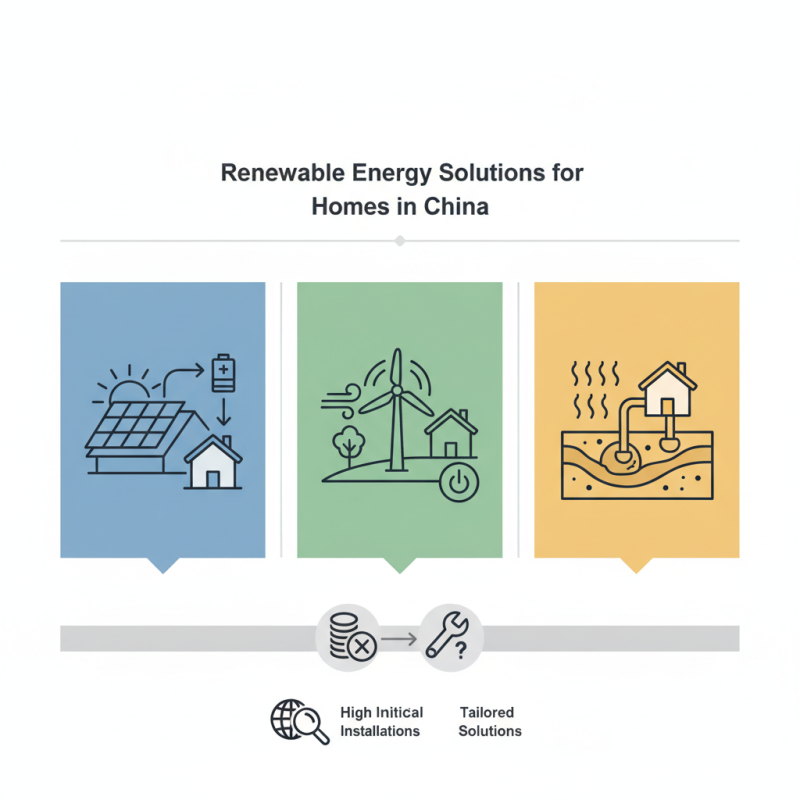
Best Renewable Energy Solutions for Homes in China?

Overview of Renewable Energy Sources for Homes in China

In recent years, renewable energy has gained traction in China. This shift addresses climate concerns and reduces fossil fuel dependency. The country aims for 20% of its energy to come from renewable sources by 2025. Solar and wind energy dominate the residential sector, making homes more sustainable.

Solar panels have become common in urban settings. Reports show that homeowners can save up to 30% on electricity bills. However, the initial investment for solar panel installation can be high. Many families remain skeptical about the long-term benefits. It’s crucial to analyze local sunlight exposure and equipment efficiency when considering solar energy.

Wind energy is another promising solution. Small wind turbines can be installed in rural areas. They provide clean energy, but not all regions are suitable. The variability of wind patterns affects energy generation. Homeowners should assess wind conditions before investing in turbines.

Tips: Focus on energy efficiency measures in your home first. This can dramatically reduce energy needs before tapping into renewable sources. Additionally, explore government incentives or subsidies for renewable installations. Stay informed about advancements in technology to make smarter decisions.

Benefits of Implementing Renewable Energy in Chinese Households

Renewable energy offers multiple benefits for households in China. Homeowners can reduce their electricity bills significantly. By using solar panels or wind turbines, families can generate their own power. This independence from the grid is appealing. It brings a sense of security against fluctuating energy prices. Many homes are well-suited for these technologies, yet some face challenges in installation.

Environmental benefits are significant as well. Shifting to renewable energy helps reduce carbon footprints. Cleaner air leads to better health for families and communities. However, some households may struggle with high upfront costs. While long-term savings are appealing, the initial investment can be daunting. Ongoing maintenance also requires planning and resources. This may deter many from making the switch completely.

Despite these challenges, the potential for a positive impact is clear. Households embracing renewable energy can inspire their neighbors. Community awareness grows when more families adopt these solutions. Even small changes can lead to substantial results. However, continued advocacy and education about benefits remain essential to drive widespread adoption.

Best Renewable Energy Solutions for Homes in China

Renewable Energy Source Benefits Average Cost (Per kWh) Payback Period (Years) Environmental Impact
Solar Energy Reduces electricity bills, low maintenance $0.07 5-7 Reduces carbon footprint, sustainable
Wind Energy Sustainable and clean, can generate off-grid $0.05 6-8 Helps combat climate change, renewable
Geothermal Energy Stable energy supply, low emissions $0.06 4-6 Minimal land use, sustainable
Biomass Energy Reduces waste, can support rural economy $0.08 7-10 Can produce emissions if not managed properly

Popular Renewable Energy Technologies in China: Solar, Wind, and Biomass

China has increasingly adopted renewable energy technologies, particularly solar, wind, and biomass. Solar energy is one of the most popular options. Rooftop solar panels are now common in urban areas. They harness sunlight effectively, reducing electricity bills. However, inconsistent weather can limit their efficiency. On overcast days, production drops. It’s crucial for homeowners to consider battery storage solutions.

Wind energy is another viable option for homes, especially in regions with consistent wind patterns. Small wind turbines can generate electricity for personal use. They need open spaces for installation, which can be a limitation. The noise and visual impact of turbines may not appeal to everyone. Still, in rural areas, wind can complement solar well.

Biomass is less common but offers unique benefits. Utilizing organic waste for energy helps reduce landfill use. This method can power household heating systems. However, managing biomass can be demanding. It requires proper handling and storage. Homeowners must educate themselves to avoid potential pitfalls. As these renewable solutions grow in popularity, understanding their challenges is vital for sustainable living.

Challenges and Solutions for Adopting Renewable Energy at Home

Adopting renewable energy at home in China faces several challenges. The initial investment can be high. Many families are hesitant to pay for solar panels or wild turbines. According to a recent industry report, the average cost of a solar installation is about 1,000 to 2,000 CNY per watt. This upfront expenditure deters many homeowners. Government incentives exist, yet the process can be confusing.

Additionally, the integration of renewable systems into existing infrastructures poses issues. Many homes are not designed for solar energy. Reports show that up to 30% of potential installations face structural limitations. Installation hurdles create delays and increased costs. Homeowners often lack the technical knowledge needed for effective implementation. In some regions, energy storage solutions like batteries remain costly and underdeveloped.

Education and awareness are crucial for overcoming these barriers. Many homeowners are simply unaware of the long-term savings potential. The misconception that renewable energy is complicated adds to the reluctance. Simplifying the adoption process could encourage more Chinese families to consider these solutions. Addressing these concerns is essential for a greener future and wider acceptance of renewable energy.

Government Incentives and Support for Home Renewable Energy Projects in China

China is heavily investing in renewable energy. The government understands its crucial role in tackling climate change. Over the past decade, incentives for home renewable energy projects have surged. The National Energy Administration reports that 34% of China’s electricity will come from renewable sources by 2030. This shift is not just about numbers; it's about cleaner air and a sustainable future.

Homeowners in China can benefit from various subsidies. For example, local governments often provide financial support for solar panel installations. The average subsidy might cover up to 20% of the installation cost. However, not every region offers the same level of support. This inconsistency can be frustrating for homeowners. Finding accurate information can also be a challenge, as it varies widely across provinces.

Many citizens are eager to adopt solar technology but encounter hurdles. High upfront costs can deter interest. There's also a lack of understanding about how different systems work. Education about energy efficiency must improve. While the government promotes growth, it should ensure that these initiatives reach all communities effectively. Understanding the details of local policies is essential for maximizing benefits.

FAQS

: What percentage of energy in China will come from renewable sources by 2025?

: China aims for 20% of its energy to come from renewable sources by 2025.

How much can homeowners save on electricity bills with solar panels?

Homeowners can save up to 30% on electricity bills with solar panels.

What is a significant barrier to adopting solar energy?

The high initial investment for solar panel installation is a major barrier for many families.

Are wind turbines suitable for every location?

No, wind turbines may not be suitable for all regions due to variable wind patterns.

What should homeowners consider before installing solar panels?

Homeowners should analyze local sunlight exposure and equipment efficiency before installation.

What challenges do homeowners face regarding renewable energy integration?

Many homes are not designed for solar energy, causing structural limitations for installations.

How can government incentives help with renewable energy adoption?

Incentives may cover up to 20% of installation costs, thus making projects more affordable.

Why do some families hesitate to invest in renewable energy?

Many families are skeptical about long-term benefits and unsure about costs and processes.

What do homeowners need to know to maximize government subsidies?

Understanding local policies and available incentives is crucial for maximizing benefits from subsidies.

What is a common misconception about renewable energy?

Many homeowners believe renewable energy systems are complicated, discouraging adoption.

Conclusion

The article titled "Best Renewable Energy Solutions for Homes in China" provides a comprehensive overview of various renewable energy sources suitable for residential use in China. It highlights the numerous benefits homeowners can experience by implementing renewable energy systems, such as reduced energy costs and a lower carbon footprint. Among the popular technologies discussed are solar power, wind energy, and biomass, each offering unique advantages in different regions of the country.

However, the adoption of these best renewable energy solutions for homes is not without challenges. Issues such as initial investment costs and technological limitations can be barriers for many households. The article also emphasizes the importance of government incentives and support programs, which play a crucial role in facilitating the transition to renewable energy. Overall, the piece serves as a guide for Chinese homeowners considering renewable energy options to enhance their energy sustainability while benefiting from potential state support.

Sienna

Sienna

Sienna is a skilled marketing professional with a deep expertise in our company’s core products and services. With a passion for innovation and detail, she plays a pivotal role in crafting insightful blog posts that not only highlight the unique features of our offerings but also provide valuable......