HYBO Energy
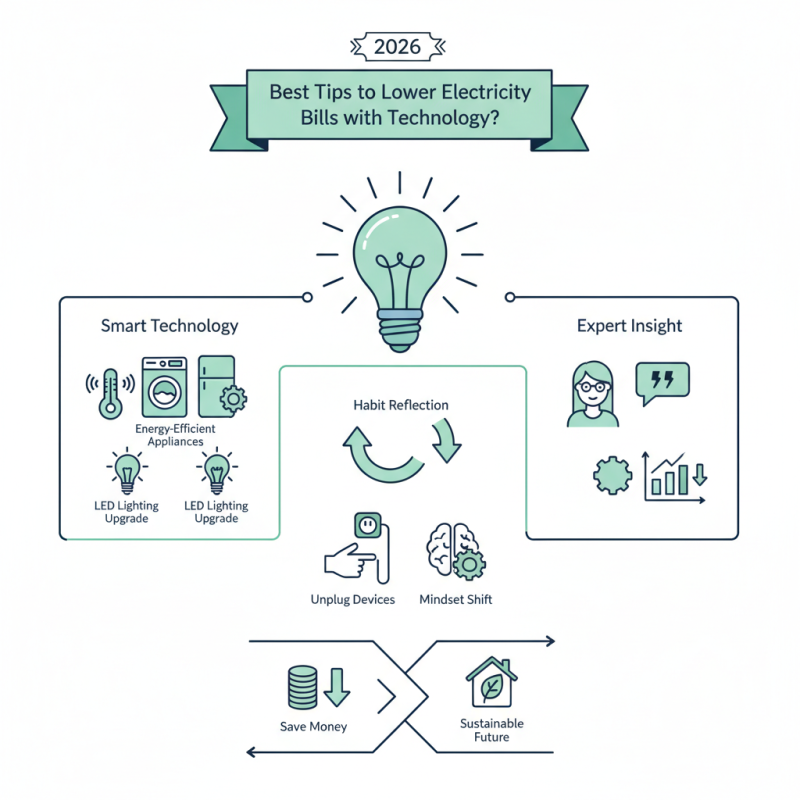
In an era where technology shapes our daily lives, managing electricity costs is essential. According to energy expert Dr. Emily Carter, "Smart technology can significantly reduce energy expenses." Her insights highlight the potential of innovation in helping consumers save on bills.
Understanding "How To Lower Electricity Bills With Technology" involves exploring modern solutions like smart thermostats and energy-efficient appliances. Upgrading to LED lighting can create a noticeable difference. Yet, not everyone makes the switch. Some resist change due to costs or lack of information.
It's crucial to reflect on our habits. Simple actions, like unplugging devices when not in use, can also lower bills. Embracing technology isn't just about tools; it's about a mindset shift. Adopting smart solutions can pave the way for a more sustainable future while saving money.
Smart home technology can significantly improve energy efficiency. Devices like smart thermostats adjust settings based on your routine. They learn when to heat or cool your space more effectively.
Consider using smart lighting. These lights can dim or turn off automatically when not in use. This simple change can cut your bills and reduce energy waste. But it’s important to remember: not every bulb is ideal. Choose wisely to maximize savings.
For those with a busy life, smart plugs are a game changer. They can turn appliances on and off remotely. This allows you to control devices that consume energy even when you are not home. However, you need to be mindful of how many devices you connect. Too many might complicate usage. Being aware of these aspects can help in achieving better efficiency.
Implementing energy-efficient appliances in your home can significantly lower electricity bills. Many households overlook the impact of outdated devices. An old refrigerator, for example, uses far more energy than modern models. Investing in energy-efficient options can yield immediate savings. Look for labels that indicate energy conservation. Even small changes can make a big difference.
Consider your washing machine and dryer. These appliances consume a lot of power. Opt for models that have energy-saving settings. They often use less water and electricity. It's worth noting that washing clothes in cold water can yield notable savings too. However, some stubborn stains may require warmer cycles. Finding that balance can be tricky.
Switching to LED lighting is another effective way to reduce energy use. Unlike traditional bulbs, LEDs last longer and consume less electricity. They come in various styles, so you can match them to your home decor. Reflect on your daily habits, as even minor choices accumulate. For instance, remember to turn off lights when leaving a room. Embracing energy-efficient technology is not just practical; it can reshape your lifestyle.
This bar chart illustrates the average monthly energy consumption in kilowatt-hours (kWh) for various types of appliances. By opting for energy-efficient appliances, smart thermostats, LED lighting, and solar panels, homeowners can significantly reduce their electricity bills.
Smart thermostats are revolutionizing how we manage home temperatures. They allow you to adjust heating and cooling from anywhere. This flexibility can lead to significant savings on energy bills. With features like scheduling, you can reduce usage when you're not home. This is a smart choice for anyone looking to save.
Set your thermostat to different temperatures based on the time of day. For example, keep it cooler at night. Studies show that every degree counts. A slight drop can lower bills, but adjusting can be tricky. Remember to find what works for you. Also, keep an eye on filters and maintenance. They can impact your system’s efficiency.
Consider learning your routines. Some thermostats can adapt to your habits. You might come home to a nicely cooled house without wasting energy. But be cautious with automation; it may not always be spot on. Always be ready to tweak settings as needed. Small adjustments can add up over time.
Adopting renewable energy solutions like solar panels can significantly reduce electricity bills. Solar panels convert sunlight into electricity. This means you can generate your own power. The installation may seem expensive. However, the long-term savings are worth it. You might think about it carefully.
Consider optimizing your solar setup. Place panels in the best position, facing the sun directly. Shade from trees or buildings can reduce efficiency. Regular cleaning is necessary too. Dust and debris can decrease performance. Aim for a clear surface to capture maximum sunlight.
Investing in energy storage solutions can also be beneficial. Batteries allow you to store excess energy for later use. This can help during peak hours when prices are high. Analyze your energy usage patterns. Understanding when you consume the most power can guide your solar usage. Remember, even minor adjustments can lead to noticeable savings.
In today's tech-driven world, monitoring energy use has become more accessible. Smart meters and energy management apps offer real-time data on your electricity consumption. According to a report by the U.S. Energy Information Administration, homes with smart meters see a notable reduction in energy use, averaging around 10-15%. This substantial saving can be even more pronounced when users actively track their usage patterns.
Utilizing these technologies can provide insights into energy consumption habits. Not everyone makes the most of this data. The small adjustments can lead to big savings. For example, consider setting reminders to turn off devices when they're not in use. Another tip is to utilize the peak and off-peak rates available in many energy markets. Smart meters can help you shift your usage to off-peak times, reducing bill amounts.
There’s room for improvement in how we engage with technology. Many users download apps but fail to delve deeply into the provided analytics. If you want to maximize savings, invest time in understanding the data trends. Identifying which appliances consume the most energy is vital. Simple changes can lead to monthly savings, yet many overlook them. Are you ready to take control of your energy bills?
: Smart home technology improves energy efficiency by optimizing device performance based on routines.
They adjust heating and cooling remotely, reducing usage when not at home for savings.
Yes, smart lighting can dim or turn off automatically when not in use, cutting energy bills.
Not every bulb is ideal; select wisely to maximize energy savings and efficiency.
Smart plugs allow remote control of appliances, helping to manage energy usage effectively.
Yes, connecting too many devices might complicate usage and affect efficiency negatively.
Adjust temperatures based on time of day, maintaining cooler settings at night for savings.
Yes, filters affect system efficiency; regular checks can lead to better performance.
Some can adapt to habits, but automation might require tweaks to stay effective.
Automation may not always be accurate; be prepared to adjust when necessary.
In today's world, technology plays a crucial role in helping homeowners reduce their electricity bills effectively. Understanding smart home technology is the first step in achieving energy efficiency. By implementing energy-efficient appliances, consumers can significantly lower their electricity consumption, while smart thermostats allow for optimal temperature control, ensuring comfort without unnecessary energy use.
Additionally, adopting renewable energy solutions, such as solar panels, can lead to long-term savings and a reduced carbon footprint. Monitoring energy use through apps and smart meters empowers individuals to track their consumption patterns and make informed decisions. In summary, these strategies answer the question of how to lower electricity bills with technology, enabling homeowners to take control of their energy expenses while promoting sustainable practices.
