HYBO Energy
In recent years, China has emerged as a global leader in renewable energy production. As the world shifts towards sustainable energy sources, understanding the cost comparison of renewable energy sources becomes crucial for international buyers. This analysis aims to shed light on the various renewable energy options available in China, highlighting significant price differences and technological advancements.
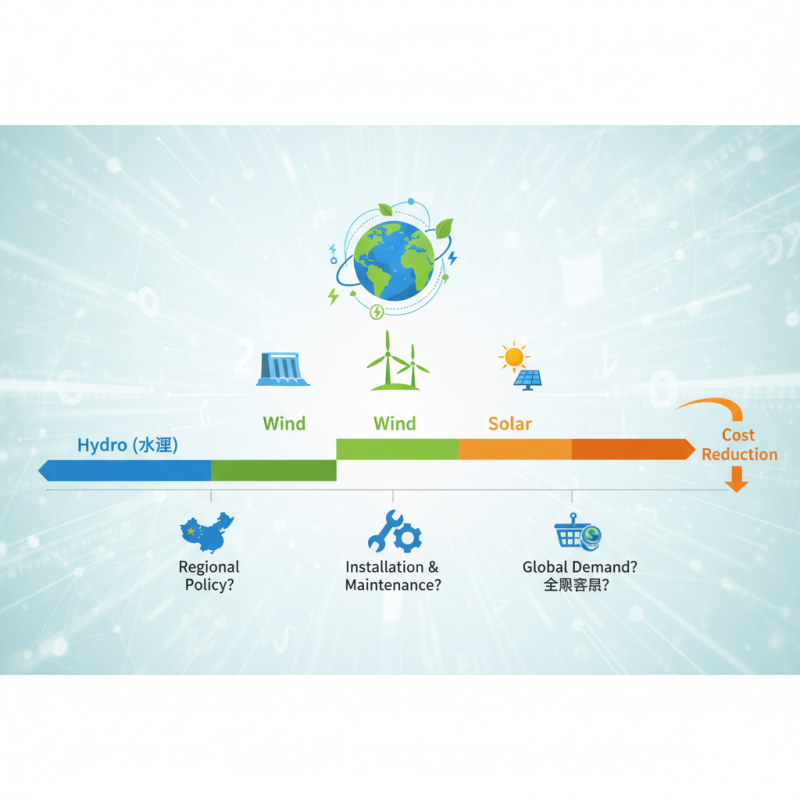
China offers a diverse range of renewable energy technologies, including solar, wind, and hydropower. Each sector presents unique cost dynamics influenced by factors like local government policies and global demand. Interestingly, while solar energy systems have seen dramatic cost reductions, wind energy remains competitively priced in many regions.
However, it's essential to critically assess these costs. Local variations can lead to discrepancies, and not all regions are equally developed. Buyers must also consider installation and maintenance aspects. Understanding these factors will help global buyers make informed decisions while fostering a deeper awareness of China's renewable energy landscape. This exploration is vital as we navigate future sustainable energy investments.
China is rapidly becoming a global leader in renewable energy. The country's unique landscape and extensive resources provide a fertile ground for diverse energy solutions. Solar, wind, hydro, and biomass energies are dominating the market. These energy forms not only help reduce greenhouse gases but also lower dependency on fossil fuels.
However, challenges remain. The renewable energy sector faces issues related to grid synchronization and energy storage. Infrastructure needs improvement to handle the fluctuating supply from renewable sources. Additionally, there are gaps in technology which hinder efficiency gains. Policymakers must address these issues to enhance overall reliability and performance.
Investments in research and development are crucial. They can facilitate advancements in energy storage and smart grid technology. With strategic planning and investments, China can maximize its renewable potential. The road ahead is promising, but it requires ongoing commitment and innovation.
In recent years, renewable energy costs in China have varied significantly. Factors influencing these costs include technology advancements, raw material prices, and government policies. According to a 2022 report by the International Renewable Energy Agency (IRENA), the cost of solar energy in China decreased by 89% from 2010 to 2020. This dramatic reduction is largely due to improved manufacturing processes and economies of scale. However, fluctuations in silicon prices can create uncertainties in overall costs.
Labor costs also play a crucial role in renewable energy pricing. While China has an advantage with lower labor costs compared to many other countries, wage increases could impact future pricing. A study by the National Energy Administration highlighted that recent labor shortages in construction have led to increased expenses for wind farm projects. This reflects the need for a balance between competitive pricing and workforce stability.
Policy supports significantly affect investment and operational costs. China’s commitment to renewable energy goals could lead to incentives for technology development and grid integration. However, as policies change, uncertainty can emerge. Buyers must stay informed about both global trends and local regulations. Understanding these factors is key to making informed purchasing decisions in the evolving renewable energy market.
In recent years, the solar energy landscape has evolved dramatically, especially in China. The cost of solar energy continues to decline, making it a pivotal player on the global stage. According to the International Renewable Energy Agency (IRENA), the cost of solar photovoltaic systems has fallen by about 89% since 2009. This drop has implications not only for local markets but also for global buyers seeking affordable renewable solutions.
China's solar energy market is a key contributor to these trends. A report by Wood Mackenzie highlights that China accounted for more than 50% of the global solar capacity in 2022. The average LCOE (Levelized Cost of Electricity) for solar energy in China is now approximately $0.05 per kilowatt-hour, significantly lower than the global average of around $0.09. This disparity invites foreign investments and collaborations. However, potential buyers must consider other factors like supply chain reliability and local policies.
While the cost benefits are evident, challenges persist. For example, the rapid increase in demand might strain manufacturing capabilities. Additionally, quality control in solar equipment remains a concern. These elements can impact both reliability and efficiency. Prospective buyers should assess these variables to make informed decisions. The shift toward renewable energy is promising, yet buyers need to remain vigilant about ongoing developments.
Wind energy is rapidly evolving in China, presenting a formidable alternative to traditional energy sources. In recent years, China's strategy focuses on reducing costs while enhancing technology in the wind energy sector. This dual approach has significantly lowered the production and installation costs associated with wind turbines. Global buyers now face a competitive landscape, where Chinese wind energy stands out as an attractive option.
Cost comparisons show that China often offers lower prices than major global players. For instance, installation costs for onshore wind farms in China are decreasing steadily. However, while China excels in cost efficiency, the quality and reliability of installations remain a concern. Not all projects deliver the expected energy output due to varying construction standards.
Environmental factors also play a crucial role in this analysis. The geographic diversity in China allows for larger and more potent wind farms. However, regional differences in resource availability can affect overall performance. Buyers must weigh costs against potential output when considering investments. Understanding these nuances is essential in navigating the global wind energy market effectively.
As global demand for renewable energy rises, investors are eyeing China for emerging trends in pricing. The landscape is shifting, with solar and wind energy becoming more competitive. Data suggests that investment costs are declining steadily, making these resources more accessible. However, volatility remains an underlying challenge, as market conditions can fluctuate widely.
Tip: Stay informed about policy changes in China. Adjustments in government regulations can impact pricing and investment strategies. Investors should consider local market dynamics before making decisions.
Renewable energy pricing is not uniform. Different regions may present distinct cost structures, influenced by local supply chains and infrastructure. Understanding these variations is crucial for buyers aiming to make well-informed choices. Every detail counts when assessing the overall cost-effectiveness.
Tip: Evaluate project locations carefully. Some areas may offer significant incentives, while others could impose unexpected fees that affect overall pricing. Always scrutinize local reports and data to gain insights.
The investment landscape in renewable energy is promising but complex. Continuous monitoring is essential for navigating potential risks. Buyers must weigh all factors, from pricing trends to regional conditions, to identify opportunities effectively. This sector requires careful analysis and a willingness to adapt to an evolving market.
: China is a leader in renewable energy with solar, wind, hydro, and biomass dominating the market.
Key challenges include grid synchronization, energy storage, and technology gaps affecting efficiency.
Costs have varied due to technology advancements, raw material prices, and government policies affecting pricing stability.
The dramatic decrease in solar energy costs is due to improved manufacturing processes and economies of scale.
Labor costs impact pricing, and recent shortages have increased expenses for wind energy projects in China.
China's solar energy cost is about $0.05 per kilowatt-hour, lower than the global average of $0.09.
Buyers should consider supply chain reliability, local policies, and ongoing fluctuations in technology and costs.
Yes, risks include fluctuating material costs, policy changes, and potential quality control issues with equipment.
Ongoing investments in research and development are crucial for improving energy storage and smart grid technology.
Policymakers need to enhance infrastructure and address technology gaps for better performance and reliability in the sector.
China has emerged as a significant player in the global renewable energy market, characterized by diverse energy sources and evolving pricing structures. The overview of China's renewable energy landscape highlights a robust investment climate driven by technological advancements and governmental support. Key factors influencing renewable energy costs in China include economies of scale, local manufacturing capabilities, and policy frameworks that favor green energy initiatives.
A detailed cost comparison of renewable energy sources reveals competitive advantages in solar and wind energy, particularly when analyzed against major global players. The cost analysis indicates that while China's solar energy costs are declining rapidly, wind energy projects also showcase favorable pricing trends. Furthermore, emerging trends point to increasing investment opportunities as international buyers look to tap into China's dynamic renewable energy market, which continues to adapt to global demand and pricing shifts.
