HYBO Energy
The transition to sustainable energy solutions is vital for China’s future. As the world increasingly focuses on the Environmental Impact Of Energy Solutions, experts emphasize the significance of careful evaluation. Dr. Emily Huang, an authority in environmental science, states, “We must understand the consequences of our energy choices to build a sustainable future.”
China's energy landscape is rapidly evolving. The nation explores various solutions, from solar to wind power. Each solution holds both promise and challenges. For instance, while solar energy reduces greenhouse gas emissions, its production may involve toxic materials. It’s essential to balance benefits against environmental risks.
Investing in clean energy is crucial, yet it is not without flaws. The Environmental Impact Of Energy Solutions can vary significantly. The life cycle of each energy source needs examination. As China leads in renewable energy adoption, stakeholders must remain vigilant. Collectively, we can encourage responsible practices and make informed choices about energy solutions.
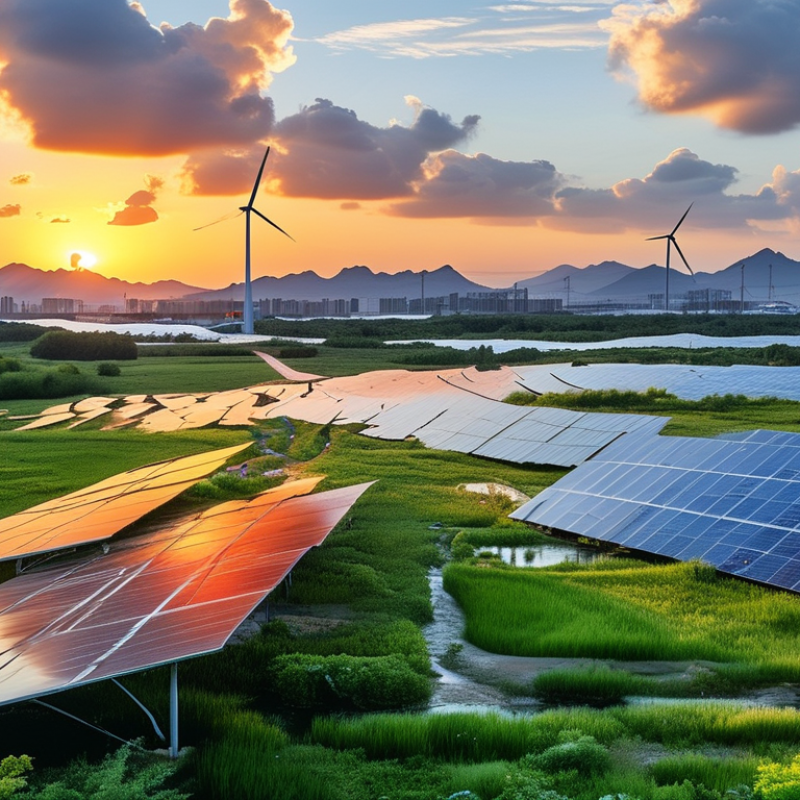
China's renewable energy expansion is impressive, yet it comes with significant ecological effects. Wind and solar farms are sprouting up across the land. These installations utilize vast areas, impacting local ecosystems and wildlife habitats. For instance, the migration routes of birds can be disrupted due to these developments.
Hydropower projects, while clean in terms of energy production, pose challenges as well. Massive dams alter river ecosystems, affecting fish populations and aquatic biodiversity. The reservoir flooding can displace local communities too, bringing social concerns into focus.
Despite these issues, China strives to balance growth with sustainability. Policymakers are increasingly aware of the environmental consequences. There is a growing push for more responsible planning in renewable projects. Addressing these ecological impacts is not easy, but it is critical for a more sustainable future.
Coal has long been a cornerstone of China's energy mix, contributing significantly to its rapid industrial growth. Approximately 57% of the nation’s energy consumption comes from coal. This reliance raises serious environmental concerns. The combustion of coal releases high levels of carbon dioxide and other harmful pollutants. These emissions contribute to climate change and deteriorate air quality across cities.
In recent years, China has faced intense scrutiny regarding coal’s environmental consequences. The impact on public health is alarming. Respiratory diseases and illnesses linked to pollution continue to rise. Moreover, coal mining operations can lead to land degradation and water contamination. The balance between energy needs and environmental sustainability is difficult to achieve.
China's commitment to reducing coal dependence is commendable but challenging. While renewable energy sources are on the rise, coal still holds a dominant position. Transitioning to cleaner energy requires investment and innovation. It is essential to diversify the energy portfolio further. Acknowledging the flaws in the current system is crucial for progress.
Hydropower projects in China play a significant role in energy production. However, their impact on biodiversity warrants careful examination. Dams disrupt natural water flow, affecting aquatic habitats. Fish populations, which are crucial for local ecosystems, face serious threats. Migration patterns are often blocked, leading to decreases in species diversity.
Water resources suffer as well. Reservoirs can inundate vast swaths of land. This not only displaces wildlife but also impacts existing agricultural land. Local communities may face water scarcity during dry seasons. The balance between clean energy and environmental health remains delicate.
Mitigating these effects requires innovative solutions. Environmental impact assessments are essential before project initiation. Efforts to create fish ladders or bypass channels can help. Engaging local communities in conservation efforts is equally important. Each decision made now will resonate for generations. Thoughtful planning could secure both energy needs and biodiversity.
The rise of solar power in China symbolizes a shift toward renewable energy. Solar technology harnesses sunlight to generate electricity. This process emits minimal greenhouse gases, making it more environmentally friendly than fossil fuels. Yet, it's not without its downsides. The production of solar panels involves chemical processes that can harm the environment.
Waste management is another significant issue. End-of-life solar panels can contribute to e-waste if not properly recycled. This challenge requires careful planning and investment in recycling technologies. Furthermore, large solar farms may disrupt local ecosystems and land use. Using agricultural land for solar installations raises questions about food security.
Despite these trade-offs, the benefits of solar power are evident. It reduces dependency on non-renewable resources. Over time, advancements in technology could enhance energy efficiency. As solar energy becomes more integrated into China’s energy mix, ongoing evaluation of its environmental impact is essential for sustainable development.
Wind energy is often viewed as a clean alternative to fossil fuels. However, its impact on local ecosystems is complex. The installation of wind farms can disrupt wildlife habitats. Birds and bats are especially vulnerable to turbine collisions. Studies show that certain species may decline in areas with wind projects. This raises concerns about biodiversity loss.
Moreover, the construction of these facilities requires significant land use. Large areas must be cleared, changing the natural landscape. Local flora can be affected, leading to habitat fragmentation. There is a risk of soil erosion and water quality issues. These factors are sometimes overlooked in the rush to promote renewable energy.
The footprint of wind energy development invites further reflection. While it helps reduce greenhouse gas emissions, how do we balance this with ecological preservation? Engaging local communities in planning can mitigate some impacts. Their insights can help create strategies that protect local wildlife. Wind energy holds promise, yet we must tread carefully to ensure that it does not harm our ecosystems.
: Approximately 57% of China's energy consumption relies on coal.
Coal combustion releases harmful pollutants, contributing to climate change and poor air quality.
Respiratory diseases and pollution-related illnesses are on the rise due to coal mining.
Dams disrupt water flow, threatening fish populations and diminishing species diversity in ecosystems.
Engaging communities can help mitigate the negative impacts of energy projects on the environment.
Wind farms disrupt habitats, particularly for birds and bats, and require significant land use for installation.
Thoughtful planning can balance energy needs with environmental health and help protect local wildlife.
Solutions like fish ladders and environmental impact assessments can help alleviate some negative effects.
While renewable energy is growing, coal's dominance poses significant challenges for energy transition.
Land clearing for wind farms can lead to habitat fragmentation, soil erosion, and water quality issues.
China is making significant strides in renewable energy, but these advancements come with substantial ecological consequences. The expansion of renewable energy resources, including solar and wind, carries an "Environmental Impact Of Energy Solutions" that must be critically assessed. The role of coal remains dominant in China’s energy mix, contributing to air pollution and greenhouse gas emissions with serious ambient effects.
Additionally, hydropower projects, despite being renewable, pose threats to biodiversity and water resources, affecting local ecosystems. The emergence of solar power presents both environmental trade-offs and benefits, while wind energy development raises questions about its impact on surrounding wildlife. Thus, a comprehensive evaluation of these energy solutions is essential for sustainability and ecological preservation in China.
