HYBO Energy HYBO Energy

How to Choose the Best Energy Solutions for Off Grid Living?

Time:2026-05-25 Author:Ethan
0%

Living off the grid poses unique challenges, especially regarding energy solutions. To navigate these challenges, understanding the available options is crucial. According to Melissa Kent, an expert in sustainable living, "Selecting the right energy solution is key to achieving energy independence."

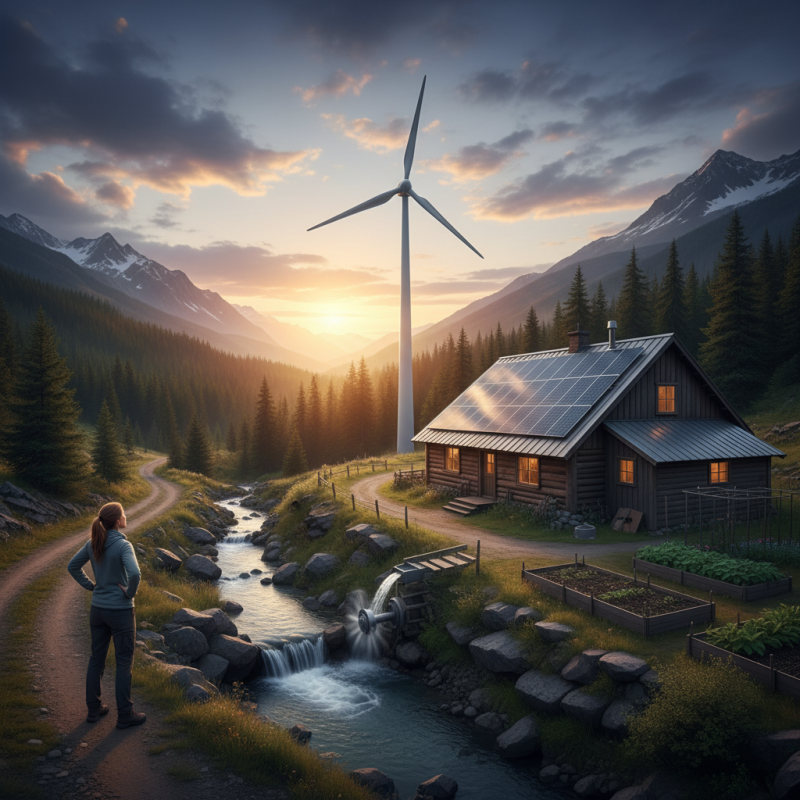
In the "Off Grid Living Energy Solutions Guide," we explore various energy sources. Solar, wind, and hydro energy are commonly discussed. Each has its pros and cons, requiring careful consideration. For instance, solar panels are popular but may not provide enough power during prolonged cloudy days.

Moreover, integrating multiple energy sources may enhance reliability. This guide aims to offer realistic insights and practical tips. Off-grid living is not flawless. Frequent assessments and adjustments to your energy strategy are essential. Adapting to changing needs and circumstances improves your chances of success.
How to Choose the Best Energy Solutions for Off Grid Living?

Understanding Off-Grid Living and Its Energy Requirements

Understanding off-grid living requires a grasp of its unique energy needs. Many homes rely on solar, wind, or hydro power to generate electricity. Data from the U.S. Department of Energy indicates that a typical off-grid household may need between 2,000 and 4,000 watts daily. This means that energy management is crucial.

Tips: Evaluate your energy consumption. Calculate how much power you really need.

Incorporating energy storage systems is essential for off-grid living. Battery banks store excess energy for cloudy days or calm nights. According to the National Renewable Energy Laboratory, an effective off-grid solar system often needs about 30% more capacity than the calculated usage. This accounts for inefficiencies and unexpected demands.

Tips: Choose reliable battery types. Lithium and lead-acid have different benefits. Research which suits your needs.

Weather can impact energy generation. Buildings located in regions with high sunlight may depend more on solar energy. In contrast, windy areas may benefit from wind power. It's important to reflect on geographic factors when crafting energy solutions. Adapting strategies based on local climate increases effectiveness.

Types of Renewable Energy Sources for Off-Grid Solutions

When considering off-grid living, choosing the right renewable energy source is crucial. Solar energy is popular for its abundant availability. Solar panels can be installed on rooftops or ground-mounted. They convert sunlight into electricity, helping to power homes seamlessly. Wind energy is another effective option. Wind turbines harness wind power, generating energy even in remote locations. The effectiveness of wind depends on local wind patterns.

Hydropower offers another viable solution. Mini-hydro systems can be set up in areas with flowing water. They can provide continuous power, but site selection is critical. Biogas solutions, which involve the decomposition of organic waste, can produce methane for cooking and heating. However, to maintain a system effectively, proper waste management practices are necessary.

Each energy type has advantages and disadvantages. Solar and wind are weather-dependent. What if there’s prolonged cloudy weather? Hydropower may not be feasible everywhere. It’s essential to evaluate your environment and energy needs. Assess the initial investment, maintenance costs, and potential energy output closely. This evaluation helps determine the most suitable solutions for long-term off-grid living.

Evaluating Energy Storage Options for Off-Grid Systems

Choosing the right energy storage option for off-grid living is essential. It impacts both sustainability and self-sufficiency. Options like lithium-ion batteries, lead-acid batteries, and even solar thermal storage are prevalent. According to a recent report by the International Renewable Energy Agency, battery storage capacity has increased by over 150% since 2010. This growth reflects technological advancements and rising demand.

Tips: Assess your energy needs carefully. Calculate your consumption patterns to estimate storage requirements. Doing so minimizes waste and reduces costs. Lead-acid batteries are cheaper but have a shorter lifespan. In contrast, lithium-ion models, while initially expensive, offer better efficiency over time. Reliability is key; consider where you will source replacements if needed.

It's important to acknowledge potential drawbacks. Some storage systems can be too complex or require regular maintenance. Moreover, the upfront costs may deter some users. Off-grid living demands transparency about energy use. Always have a contingency plan. Energy inefficiencies can lead to unexpected outages. Balancing cost and performance is tricky but critical for sustainable living.

Assessing Energy Consumption Needs for Efficient Sizing

When selecting energy solutions for off-grid living, understanding your consumption needs is vital. Studies indicate that average household energy use in the U.S. is about 877 kWh per month, but this can vary widely. Smaller households or those using energy-efficient appliances may consume significantly less. It's essential to evaluate which devices will be in use and how often, as this directly impacts the size and type of energy system needed.

To efficiently size your energy solution, consider all appliances and devices. LED lighting, for example, uses approximately 75% less energy than incandescent bulbs. Therefore, a household relying on LED lighting may reduce its total energy needs significantly. Data from the U.S. Department of Energy suggests that a clear understanding of your energy load can help determine if a solar, wind, or hybrid system is most appropriate. Take into account seasonal changes in energy consumption as well, as this can create the need for additional capacity during peak months.

It's useful to reflect on your current habits and lifestyle. Are there energy-saving changes that could further reduce your needs? Exploring energy-efficient appliances and practices can lead to a smaller, more affordable off-grid energy system. Remember, knowledge of your consumption allows for smarter choices and more reliable energy solutions.

How to Choose the Best Energy Solutions for Off Grid Living? - Assessing Energy Consumption Needs for Efficient Sizing

Energy Source Average Daily Output (kWh) Ideal Usage Scenario Pros Cons
Solar Panels 4-7 Residential Use Renewable, Low Maintenance Weather Dependent, Initial Cost
Wind Turbines 6-12 Remote Locations Efficient in Windy Areas Requires Maintenance, Noise
Generators (Diesel) 5-10 Backup Power Reliable Power Source Fossil Fuel Dependency, Pollution
Batteries (Lithium) 3-10 (storage) Energy Storage Long Lifespan, High Efficiency Costly, Environmental Concerns
Hydro Power Variable Permanent Installations Consistent Energy Source Requires Water Source, High Setup Cost

Integrating Alternative Energy Solutions for Optimal Performance

When considering alternative energy solutions for off-grid living, integration is key. Solar panels, wind turbines, and micro-hydro systems offer distinct benefits. For example, the U.S. Department of Energy reports that residential solar systems can reduce energy costs by up to 70%. However, inconsistent sunlight can limit solar efficiency. It’s crucial to balance these systems for optimal performance.

Wind energy can be a valuable complement to solar. In windy areas, small wind turbines can produce significant energy. The National Renewable Energy Laboratory indicates that a properly sized turbine can meet 50% of a household’s energy needs. Yet, wind variability can pose challenges. Without a diverse energy portfolio, residents may face shortages during calm periods.

Battery storage systems are essential for off-grid setups. They store excess energy generated during peak production times. According to research from the Energy Storage Association, energy storage can improve energy reliability by up to 60%. Nevertheless, the initial investment is high, and the technology constantly evolves. Regular assessments of energy needs and system performance are critical to ensure long-term sustainability.

FAQS

: What is off-grid living?

: Off-grid living means self-sufficient energy use without relying on public utilities. It often uses solar, wind, or hydro power.

How much energy do off-grid homes need?

Typical off-grid homes need between 2,000 and 4,000 watts daily. Energy management is crucial for such households.

Why is energy storage important in off-grid living?

Energy storage, like battery banks, helps keep power for cloudy days or calm nights. It ensures a steady energy supply.

What factors affect energy generation in off-grid homes?

Weather and geography significantly impact energy generation. Sunlight and wind availability influence power sources.

How can I determine my energy needs?

Evaluate your appliance use. Calculate the wattage of devices and consider energy-efficient options to reduce needs.

What are the benefits of using energy-efficient appliances?

Energy-efficient appliances lower overall energy consumption. For example, LED bulbs use 75% less power than traditional ones.

Why should I consider seasonal changes in energy consumption?

Seasonal variations can affect energy use. More capacity may be needed during peak consumption months, requiring careful planning.

How do I choose the right battery type for storage?

Different battery types have unique benefits. Research options to find one that suits your specific energy needs best.

Should I reflect on my energy habits?

Yes, assessing your habits can reveal energy-saving changes. Small adjustments can lead to more efficient energy use.

What mistakes should I avoid in off-grid planning?

Ignoring energy needs or underestimating system size can lead to shortages. Plan carefully to avoid significant inconveniences.

Conclusion

The "Off Grid Living Energy Solutions Guide" provides a comprehensive overview for anyone interested in sustainable living without reliance on traditional utility services. It begins by explaining the fundamental energy requirements inherent to off-grid living. Understanding these needs is crucial for selecting appropriate energy sources that align with individual lifestyles.

The guide delves into various renewable energy options, including solar, wind, and hydropower, and evaluates the significance of effective energy storage solutions to ensure continuous power availability. Additionally, it highlights the importance of assessing personal energy consumption to accurately size systems according to specific demands. Lastly, it encourages the integration of alternative energy solutions to maximize efficiency and performance, ensuring a sustainable and self-sufficient off-grid living experience.

Ethan

Ethan

Ethan is a seasoned marketing professional with a deep expertise in our company's innovative product line. With a passion for sharing knowledge and insights, he takes the lead in regularly updating our corporate blog, where he explores industry trends, product features, and effective marketing......