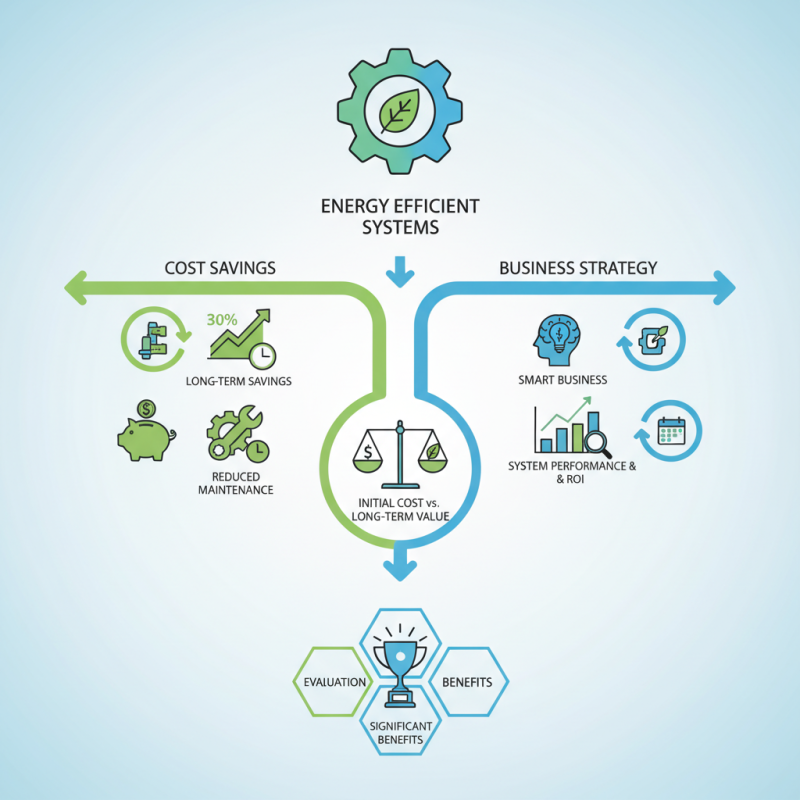
Choosing energy-efficient systems is crucial for businesses today. According to a report by the U.S. Department of Energy, companies can save up to 30% on energy costs by implementing these systems. As industries face rising energy costs, understanding "How To Choose Energy Efficient Systems" becomes essential.
Experts like Dr. Emily Cross, a leading consultant in energy management, emphasize the importance of this decision. She notes, "Investing in energy-efficient systems is not just a cost-saving measure; it’s a smart business strategy." Businesses need to examine various factors, including system performance and return on investment.
While it's tempting to prioritize initial costs, long-term savings often tell a different story. Additionally, many companies overlook the cost of system maintenance. Selecting the right system involves careful consideration of energy usage patterns and future needs. This process may require reevaluation and adjustments over time. It’s a complex journey, but making the right choices can lead to significant benefits.
Assessing Your Business Energy Needs and Consumption Patterns
Assessing your business energy needs involves understanding patterns in consumption. Many companies underestimate their energy use. A report from the U.S. Department of Energy states that commercial buildings consume about 19% of total U.S. energy. Identifying peak usage times can help businesses reduce costs.
Data from the Energy Information Administration reveals that the average American business spends over $6,400 annually on energy. This figure can vary significantly based on the industry. For example, manufacturing facilities often report much higher consumption, sometimes exceeding $25,000 per year. Monitoring energy usage helps identify inefficient systems.
Implementing energy audits can uncover hidden inefficiencies. Surveys showed that about 30% of businesses do not engage in energy management practices. Regular assessments can drive improvements. Businesses could benefit from reviewing utility bills and utilizing local resources for insights. Each assessment provides actionable steps toward efficiency, offering potential savings. By adapting to actual energy needs, companies can make informed decisions.
Understanding Energy Efficiency Ratings and Standards
Understanding energy efficiency ratings and standards is crucial for businesses aiming to reduce costs and enhance sustainability. Energy efficiency ratings provide insights into how effectively a system uses energy. For example, systems with higher ratings typically consume less electricity while delivering the same output. This can lead to significant savings on utility bills over time.
When selecting systems for your business, consider various standards. Look for certifications that indicate efficiency, such as Energy Star or equivalent labels. These mark products that meet strict efficiency criteria. It’s essential to request performance data from suppliers and verify these claims. Not all products will perform as expected in real-world conditions.
Reflecting on your energy needs is also important. Sometimes, the cheapest option may not be the best choice. Inadequate systems can lead to higher operational costs over time. Analyze your consumption patterns and choose equipment tailored to your specific requirements. Balancing upfront costs with long-term savings is key to making informed decisions. This approach fosters reliability and boosts overall performance.
Exploring Various Energy Efficient Systems Available
Energy efficiency is crucial for businesses aiming to reduce costs and minimize their environmental impact. There are various energy-efficient systems available that can cater to different business needs. For example, LED lighting systems can reduce energy consumption by up to 75% compared to traditional lighting. According to the U.S. Department of Energy, these systems not only last longer but also decrease maintenance costs.
Heating, ventilation, and air conditioning (HVAC) systems are another significant area for improvement. High-efficiency models can cut energy use by 30% to 50%. Investing in smart thermostats further optimizes energy use, adjusting settings based on occupancy and preferences. These technologies play a vital role in enhancing overall comfort while promoting sustainability.
Tip: Consider an energy audit. This helps you identify areas where efficiency can be improved.
Another option is renewable energy systems like solar panels. They can provide a sustainable power source, potentially reducing energy costs to zero over time. According to the International Renewable Energy Agency, solar energy systems have become more affordable, benefiting small to medium enterprises.
Tip: Research local incentives for renewable energy installations. These programs often offer financial support.
Choosing the right energy-efficient systems requires careful analysis. Consider the specific needs of your business. Focus on systems with proven performance and reliability, and always keep improvement in mind.
Evaluating the Costs and Benefits of Energy Efficient Systems
Choosing energy-efficient systems is a pivotal decision for businesses. Evaluating the costs and benefits can be complex but necessary. Energy-efficient systems often require a higher initial investment. This upfront cost can deter some business owners. However, long-term savings can outweigh these initial expenses.
For example, energy-efficient lighting may seem costly at first. Yet, it reduces electricity bills significantly over time. A thorough analysis is vital. Calculate potential savings against the upfront costs. Consider equipment longevity and maintenance needs too. Not all energy-efficient solutions prove to be the best fit.
Sometimes, the implementation can be problematic. Unforeseen expenses may arise during installation. It's wise to seek expert advice. Look for professionals who have experience in energy efficiency. Rely on data to guide your decisions. This approach ensures that you choose the best systems for your needs. Be open to adjusting your plans based on their findings. Knowledge is an essential asset in this process.
Implementing and Maintaining Energy Efficient Solutions in Business
Implementing energy-efficient solutions in business requires a structured approach. Start by conducting an energy audit to identify areas of waste. This helps target improvements effectively. Look into retrofitting existing systems for better efficiency, such as upgrading lighting and HVAC systems. Simple changes can yield significant energy savings.
Maintaining these systems is equally crucial. Regular checks ensure they operate at peak efficiency. Training staff on energy-saving practices encourages a culture of sustainability. Documenting performance helps in tracking improvements over time. While these methods may seem straightforward, they require dedication. Small lapses in maintenance can lead to inefficiencies.
Reviewing solutions periodically is vital. As technology evolves, newer options may arise. Stay informed about the latest developments to keep your systems updated. Engaging with experts can provide insights tailored to your specific needs. Reflecting on current practices helps identify gaps. Embrace change to foster a more energy-efficient workplace.
Energy Efficiency Impact on Business Operations
This chart illustrates potential energy cost savings that businesses can achieve by investing in energy-efficient systems across various categories. Implementing energy-efficient solutions not only reduces costs but also contributes to sustainability efforts.
Conclusion
In today's business landscape, understanding how to choose energy efficient systems is crucial for operational sustainability and cost reduction. Start by assessing your business's specific energy needs and consumption patterns, which will provide a baseline for making informed decisions. It's essential to familiarize yourself with energy efficiency ratings and standards, as these metrics guide the selection of systems that meet your efficiency requirements.
Additionally, exploring various energy efficient systems available in the market allows you to identify options that align best with your business operations. Evaluating the costs and benefits of these systems ensures you can weigh initial investments against potential savings and environmental impact. Finally, implementing and maintaining these energy-efficient solutions will not only enhance your business's energy performance but also contribute positively to broader sustainability goals.
 HYBO Energy
