HYBO Energy HYBO Energy

What Are Data Loggers and How Do They Work?

Time:2026-03-20 Author:Amelia
0%

Data Loggers play an essential role in modern data collection and monitoring. According to Dr. Emily Carter, a renowned expert in the field, "Data Loggers are critical tools for ensuring reliability in measurement." These devices record various environmental parameters, such as temperature, humidity, and pressure. They are invaluable in industries ranging from food safety to pharmaceuticals.

In practice, Data Loggers bring tangible benefits. For instance, in warehousing, they help track conditions that preserve product integrity. However, not all data loggers are created equal. Some may experience failures due to inadequate calibration or poor placement. Users must reflect on their choices to avoid costly errors. Implementing the right logger requires understanding their specific applications.

Despite their usefulness, challenges remain. Many users overlook regular data review, leading to missed insights. Regular maintenance is crucial, yet often neglected. This oversight can diminish the effectiveness of Data Loggers, impacting data accuracy. Hence, ongoing education and awareness are necessary for maximizing their potential in various sectors.
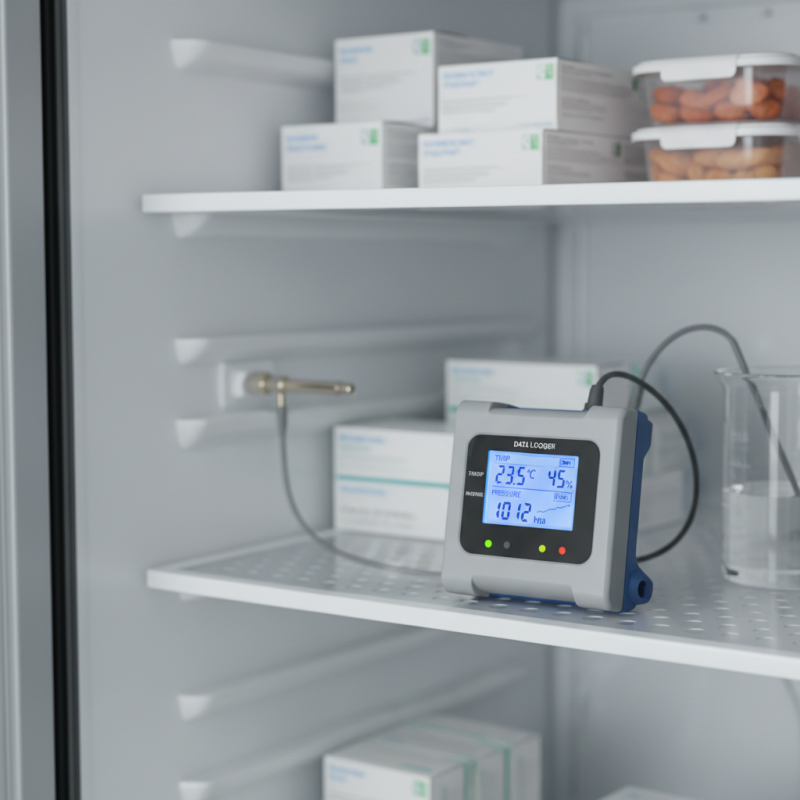
What Are Data Loggers and How Do They Work?

What is a Data Logger?

Data loggers are essential devices used to monitor and record environmental parameters over time. They gather data such as temperature, humidity, and pressure. Typically, they are equipped with sensors that convert physical measurements into digital signals. Frequent uses include agriculture, transportation, and laboratories. According to a report by Research and Markets, the global data logger market is projected to reach $3.36 billion by 2026, highlighting their growing importance.

In the context of logistics, data loggers play a crucial role. For example, they help ensure that perishable goods maintain optimal conditions during transit. A failure in monitoring can lead to spoilage and financial loss. Interestingly, a survey by Cold Chain Technologies revealed that approximately 30% of perishable items suffer quality degradation due to improper temperature control. This emphasizes the critical need for efficient data logging solutions.

Despite their advantages, data loggers can be underutilized. Some organizations hesitate to adopt new technology due to costs or lack of training. However, embracing this technology can enhance operational efficiency. A small investment can lead to significant savings in quality assurance and inventory management. Overall, understanding how data loggers function and their applications can guide businesses toward better decision-making.

What Are Data Loggers and How Do They Work?

Dimension Description Example Application Measurement Range
Temperature Records temperature data over time. Food storage monitoring -40°C to 125°C
Humidity Captures humidity levels in an environment. Climate control in warehouses 0% to 100% RH
Pressure Measures atmospheric pressure. Meteorological studies -1 to 1500 hPa
Voltage Monitors electrical voltage levels. Battery testing 0 to 30 V
Light Measures light intensity. Agricultural growth studies 0 to 200,000 Lux

The Components of a Data Logger

Data loggers are essential tools for collecting and recording data over time. Understanding their components is crucial to grasping their functionality. A data logger typically consists of a sensor, data storage unit, and a power source. The sensor measures physical parameters like temperature, humidity, or pressure. This direct interaction with the environment gives the device its value by providing real-time data.

The data storage unit acts as the heart of the logger. It captures and stores data for later retrieval. Storage can be internal, relying on memory chips, or external such as SD cards. Meanwhile, the power source, often batteries, ensures that the logger operates continuously. This is vital if the logger is placed in remote locations. Yet, battery life can be a concern. Some loggers may stop functioning unexpectedly due to drained batteries, which can lead to data loss.

In addition to these main components, many data loggers feature communication interfaces. This allows users to retrieve data easily. Interfaces can include USB ports or wireless connectivity. However, complications can arise. Compatibility issues with software and devices might hinder data transfer. Proper understanding and troubleshooting are necessary to maximize efficiency. It’s crucial to reflect on these challenges and find solutions to make the most of data logging technology.

How Data Loggers Function: A Step-by-Step Process

Data loggers are tools that collect data over time. They measure parameters like temperature, humidity, and light. Understanding how they function is vital for effective usage.

The data logging process begins with sensor activation. Sensors detect changes in the environment. Once activated, they start capturing data. This data is stored internally until needed. The logging interval can be adjusted based on the monitoring requirements. After a period of time, the data is retrieved for analysis.

**Tip:** Regularly check the battery levels of your data logger. A low battery can result in data loss or inaccuracies.

After data collection, users can analyze the results. This might involve using software for data interpretation. Visualizing the data can uncover patterns or trends. Keep in mind that not all data loggers offer the same features.

**Tip:** Familiarize yourself with different functionalities before choosing a data logger. Assess your specific needs to avoid unnecessary purchases.

Ultimately, data loggers provide valuable insights. They can improve efficiency in various fields. However, success in using them lies in understanding their capabilities and limitations.

Temperature Data Logger Example

Types of Data Loggers and Their Applications

Data loggers come in various types, each designed for specific functions. Temperature data loggers are commonly used in food storage. They ensure compliance with safety standards. According to the Food and Drug Administration (FDA), maintaining proper temperatures can prevent foodborne illnesses. In sensitive environments, such as hospitals, humidity data loggers monitor air moisture. The World Health Organization reports that high humidity can affect medical equipment and patient comfort.

Another important type is vibration data loggers. These are essential in industries like manufacturing. They help monitor machinery health to prevent failures. A report by the International Society of Automation indicates that early detection of machinery issues can save companies up to 30% in maintenance costs. On the downside, many users overlook regular calibration of loggers. This can lead to inaccurate data and potentially costly decisions.

Often, people underestimate the importance of data accuracy. For instance, dust or physical damage can compromise sensors in environmental data loggers. According to a study, over 40% of users experience issues related to equipment reliability. This shows that while data loggers have transformed monitoring practices, a gap between user knowledge and device capabilities remains. Awareness and training can bridge this divide, leading to more effective utilization of these tools.

Key Benefits of Using Data Loggers in Various Industries

Data loggers are essential tools in various industries. They collect and store data over time, providing critical insights for decisions. In the food sector, for instance, temperature monitoring is vital. It can prevent spoilage and ensure safety. A report from the Food Safety Authority stated that 70% of food recalls are due to temperature abuse. This highlights the need for reliable data loggers.

In the pharmaceutical industry, data loggers ensure that drugs are stored under optimal conditions. According to the Pharmaceutical Supply Chain Report, 20% of products may be affected during transport due to temperature fluctuations. Utilizing data loggers can significantly reduce losses and mitigate risks.

Tips: When choosing a data logger, consider its features. Look for devices with easy configuration and robust data accuracy. Also, ensure they have a long battery life to maintain consistent monitoring. Regularly review the collected data to improve processes. The insights gained are invaluable for enhancing efficiency and quality control. Implementing data loggers strategically can lead to measurable improvements.

FAQS

: What is a data logger?

: A data logger monitors and records environmental parameters over time, such as temperature and humidity.

Why are data loggers important in logistics?

They help maintain optimal conditions for perishable goods during transit, preventing spoilage and financial loss.

What is a common issue with perishable items?

About 30% of perishable items may degrade in quality due to improper temperature control.

How can data loggers improve operational efficiency?

They enhance quality assurance and inventory management, leading to potential cost savings.

What should you consider when choosing a data logger?

Look for features like easy configuration and long battery life to ensure reliable monitoring.

What is a significant reason for food recalls?

Approximately 70% of food recalls occur due to temperature abuse during storage and transport.

How do data loggers benefit the pharmaceutical industry?

They ensure drugs are stored correctly, reducing the risk of product loss during temperature fluctuations.

How can organizations improve their use of data loggers?

Regularly review collected data to gain insights and improve processes for better quality control.

Why might organizations hesitate to adopt data logging technology?

Concerns about costs and the need for training can deter some businesses from using data loggers.

What is a common misconception about data loggers?

Some businesses believe they are too costly, overlooking the long-term savings they can provide.

Conclusion

Data loggers are electronic devices that collect and store data over time, typically used for monitoring environmental conditions such as temperature, humidity, and pressure. Comprising sensors, a data storage unit, and a power source, these devices function by accurately measuring and recording data at predetermined intervals. This step-by-step process allows for detailed analysis of variations in data, supporting informed decision-making.

Different types of data loggers cater to various applications across industries, from agriculture and pharmaceuticals to transportation and research. The key benefits of using data loggers include improved accuracy in data collection, enhanced efficiency in monitoring processes, and the ability to maintain compliance with regulatory requirements. By leveraging data loggers, businesses can optimize operations and ensure better product quality and safety.

Amelia

Amelia

Amelia is a seasoned marketing professional with a wealth of expertise in our company’s core offerings. With an unwavering passion for driving growth and innovation, she plays a pivotal role in shaping our marketing strategies and enhancing brand visibility. A key aspect of her responsibilities......