HYBO Energy HYBO Energy

How to Design Energy Efficient Homes for Maximum Savings?

Time:2026-06-22 Author:Aria
0%

Designing energy-efficient homes is crucial in today's world. Increasing utility costs and environmental concerns drive this necessity. According to the U.S. Department of Energy, residential buildings account for roughly 20% of national energy consumption. This underscores the importance of implementing energy-saving strategies.

When learning how to design energy-efficient homes, multiple factors come into play. Well-insulated walls reduce heating and cooling demands. Energy-efficient windows minimize heat loss. Moreover, smart home technology can optimize energy use. Yet, many homeowners overlook these essential components, focusing instead on aesthetics. This might lead to future regrets regarding energy costs.

Creating a home that harmonizes efficiency and comfort requires expertise and a thoughtful approach. Reports indicate that proper design can save homeowners up to 30% on energy bills. However, it’s easy to underestimate the impact of simple changes. Failing to prioritize energy efficiency could result in higher long-term expenses. Balancing beauty and efficiency requires more reflection than most anticipate.
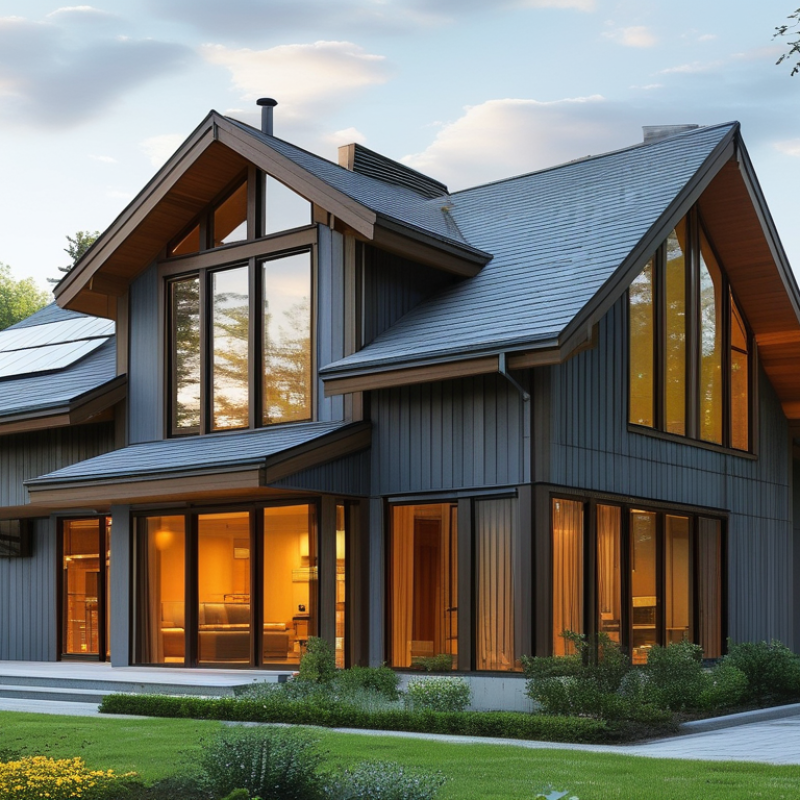
How to Design Energy Efficient Homes for Maximum Savings?

Understanding the Importance of Energy Efficiency in Home Design

Energy efficiency is crucial in home design. It significantly reduces utility costs and environmental impact. By optimizing energy use, homeowners can enjoy a more sustainable lifestyle. A well-designed home can maintain comfort while consuming less energy.

Consider integrating renewable energy sources. Solar panels can harness sunlight, reducing dependence on traditional power. Proper insulation also plays a vital role. Insulated walls and roofs keep homes warm in winter and cool in summer. This balance minimizes heating and cooling needs.

Tips: Use energy-efficient appliances. They require less power and often have long-term savings. Install smart thermostats to better control energy usage based on your schedule. Landscaping can also help, with strategically placed trees providing shade. But remember, what works for one may not work for another. Each home's needs differ, and adjustments may be necessary.

Key Principles of Energy Efficient Home Architecture

Designing energy-efficient homes requires careful consideration of various architectural principles. Focus on maximizing natural light by incorporating large windows and open spaces. This minimizes the need for artificial lighting. Use high-performance insulation materials. They keep homes cozy during winter and cool in summer. Pay attention to the home's orientation; a south-facing design can enhance solar gains.

Effective ventilation is also crucial. Cross-ventilation allows fresh air to circulate, reducing reliance on air conditioning. Consider using smart technologies to monitor energy usage. These tools can identify inefficiencies, prompting necessary adjustments. Materials matter too; sustainable options can greatly reduce a home's carbon footprint. However, some choices might lead to maintenance issues over time. Be mindful of this trade-off.

Building a tight, well-insulated envelope is fundamental. Check for gaps and leaks that could undermine efficiency. Simple upgrades can often yield significant savings. Yet, homeowners can struggle with the upfront costs. It's essential to balance aesthetics and functionality while keeping budgets in mind. Reflection on these principles can refine your design, driving true energy savings.

Incorporating Renewable Energy Sources into Home Design

Incorporating renewable energy sources into home design is crucial for creating energy-efficient homes. Solar panels are often a go-to option. They harness sunlight, converting it into usable energy. Placing them on rooftops maximizes exposure to sunlight. Yet, orientation and angle require careful planning. It's essential to assess your location's sunlight patterns. This can determine the efficiency of solar installations.

Wind turbines represent another renewable source. While they may not suit every home, they can be beneficial in open areas. A small turbine can generate power, especially in regions with consistent winds. However, local regulations and environmental impact must be considered. Community feedback is also vital. Sometimes, neighbors may have concerns about aesthetics or noise.

Geothermal energy is another intriguing option. This exploits the earth’s stable temperature for heating and cooling. Installing a geothermal system can reduce reliance on traditional heating methods. Yet, installation costs can be high. Long-term savings often justify this initial investment, but homeowners should weigh their options carefully. Designing homes with these renewable sources requires thoughtful consideration and a willingness to adapt.

Effective Insulation Strategies for Energy Conservation

Effective insulation is crucial for energy conservation in homes. Proper insulation minimizes heat loss during winter and reduces heat gain in summer. This balance is essential for maintaining comfortable indoor temperatures without relying heavily on heating and cooling systems. Insulation materials must be chosen based on climate. In colder areas, materials like fiberglass or foam board perform well. In warmer climates, reflective barriers can be more effective.

Air leaks often undermine well-designed insulation. Gaps around windows, doors, and ceilings can lead to significant energy loss. Sealing these leaks can improve efficiency dramatically. Homeowners can use caulk or weatherstripping to address gaps. This simple step can result in noticeable savings on energy bills.

Moreover, thinking about insulation during the design phase is critical. Integrating high-performance insulation can enhance a home’s overall sustainability. Building orientation also plays a role; positioning a home to maximize natural light can reduce energy consumption. Reflecting on these factors early in the design process leads to better outcomes. Identifying potential drawbacks and reassessing insulation choices is a valuable part of creating efficient homes.

Choosing Energy-Efficient Appliances and Systems for Your Home

When designing energy-efficient homes, selecting the right appliances and systems is crucial. Look for energy star ratings. These indicators can help you choose appliances that consume less energy. For example, consider using LED lighting. It lasts longer and uses about 75% less energy than traditional bulbs.

Heating and cooling systems should also be efficient. Opt for systems that employ smart technology. This can automatically adjust settings, reducing energy wastage. It's important to assess insulation, too. Poor insulation can lead to significant energy loss. Properly insulating your home can enhance comfort and reduce electricity bills.

While you may want the latest features, reflect on your actual needs. Some high-tech options could be less efficient than simpler designs. Factor in maintenance costs when choosing systems. An expensive device may not justify its upfront price if it requires frequent repairs. Balancing technology and practicality is key for maximum savings.

Energy Efficiency of Common Household Appliances

This chart illustrates the annual energy consumption of various common household appliances. Understanding energy usage can help homeowners choose energy-efficient options for greater savings.

FAQS

: What are key factors for designing energy-efficient homes?

: Focus on natural light, high-performance insulation, and effective ventilation to enhance energy efficiency.

How does home orientation affect energy efficiency?

A south-facing design can maximize solar gains and reduce energy needs.

What role do renewable energy sources play in home design?

They reduce reliance on traditional energy, with solar panels being commonly used.

Are there specific considerations for solar panel installation?

Yes, assess your location's sunlight patterns and ensure optimal placement for efficiency.

What challenges come with renewable energy systems?

High initial costs and local regulations can pose challenges in implementation.

How can homeowners choose energy-efficient appliances?

Look for energy star ratings and consider the long-term savings and maintenance costs.

What is the impact of insulation on energy usage?

Proper insulation reduces energy loss, enhancing comfort and lowering electricity bills.

Why is balancing aesthetics and functionality important?

It ensures that your home looks good while remaining energy-efficient and cost-effective.

How can smart technology help with home energy efficiency?

Smart systems can adjust settings automatically, reducing energy wastage and improving comfort.

What should homeowners reflect on when choosing appliances?

Consider actual needs and potential maintenance costs, as not all high-tech options are efficient.

Conclusion

In the quest for sustainability, knowing "How to Design Energy Efficient Homes" is essential for maximizing savings and minimizing environmental impact. A fundamental aspect of energy-efficient home design lies in understanding the significance of energy efficiency, which not only reduces utility bills but also enhances comfort and increases property value. Key principles include optimizing natural light, utilizing passive solar design, and maximizing space efficiency.

To further enhance energy efficiency, incorporating renewable energy sources such as solar panels can significantly decrease reliance on traditional energy systems. Additionally, effective insulation strategies are crucial in maintaining desired indoor temperatures, thus conserving energy. Lastly, choosing energy-efficient appliances and systems ensures that every aspect of the home contributes to overall energy savings. By adhering to these principles, homeowners can create an environment that is both cost-effective and environmentally friendly.

Aria

Aria

Aria is a dedicated marketing professional with a deep passion for innovative strategies and a keen understanding of our company's product offerings. With a wealth of experience in the industry, Aria excels at crafting engaging content that highlights the unique features and benefits of our......