HYBO Energy HYBO Energy

10 Effective Tips to Reduce Energy Consumption Now?

Time:2026-04-29 Author:Henry
0%

Reducing energy consumption is a critical concern today. According to energy efficiency expert Dr. Emily Torres, “Understanding how to reduce energy consumption effectively is key to sustainability.” We face challenges like rising energy costs and environmental impact. Simple daily changes can lead to significant savings.

Many people struggle to cut back on energy use. Small habits, such as turning off lights when not in use, can be easily overlooked. Yet, these actions have a collective impact. Energy-efficient appliances are a great investment, but initial costs can be a barrier.

Emphasizing the importance of awareness is crucial. Often, we underestimate our energy consumption. Reflecting on our daily routines can reveal opportunities for savings. Adopting effective strategies requires commitment and knowledge. This article shares ten actionable tips to empower readers in their energy-saving journey.
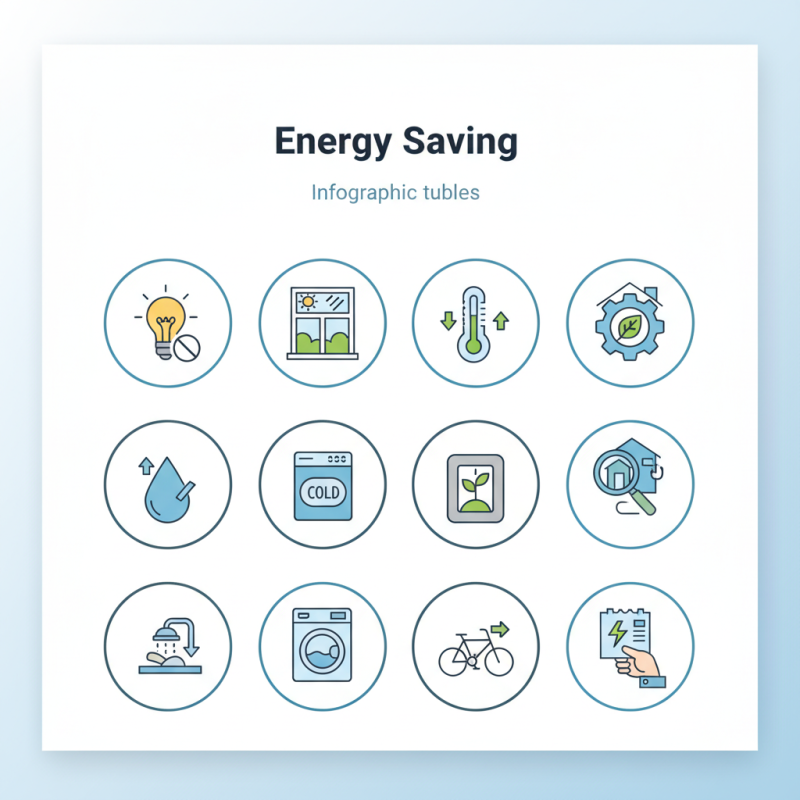
10 Effective Tips to Reduce Energy Consumption Now?

Understanding Energy Consumption and Its Environmental Impact

Energy consumption has significant environmental impacts, contributing to climate change and resource depletion. According to the International Energy Agency (IEA), buildings account for about 30% of total global energy consumption. This staggering figure highlights the need for effective measures to reduce energy use. The environmental consequences are severe; fossil fuel dependence leads to greenhouse gas emissions, accelerating global warming.

Reducing energy consumption can directly mitigate these effects. The U.S. Environmental Protection Agency (EPA) estimates that an energy-efficient home can save 30% of energy use. This translates to decreased air pollution and conservation of natural resources. Simple actions, such as improving insulation or using energy-efficient appliances, can make a significant difference.

However, awareness is a challenge. Many consumers underestimate their energy usage or believe that their individual efforts do not matter. A report from the World Resources Institute indicates that energy efficiency solutions can lower global energy demand by 40% by 2040. This potential hinges on changing consumer habits and embracing sustainable practices. It’s vital to bridge the gap between knowledge and implementation to create a more energy-efficient future.

Identifying Major Areas of Energy Use in Your Home and Workplace

Energy use in our homes and workplaces can significantly impact our monthly bills and the environment. Identifying the major areas of energy consumption is a crucial first step. Common culprits include heating and cooling systems, refrigerators, lighting, and electronics. Each of these areas offers opportunities for improvement.

One effective tip is to conduct an energy audit. This helps pinpoint where energy is wasted. Check for drafts around windows and doors. Insulating these spaces can lower heating and cooling needs. Another method is to switch to LED lighting. These bulbs use less energy and last longer than traditional options. Occupying rooms with natural daylight reduces reliance on artificial light.

Additionally, consider the usage of appliances. Many devices continue to consume power even when turned off, known as “phantom load.” Unplug electronics when not in use. Smart power strips are handy for reducing unnecessary energy use. These small changes can lead to noticeable savings on your energy bills. Reflect on your current habits and see where adjustments can be made.

Practical Steps to Enhance Energy Efficiency in Daily Activities

Reducing energy consumption is essential for both cost savings and environmental sustainability. Implementing practical steps in daily activities can create a significant impact. According to the U.S. Energy Information Administration, residential energy consumption accounts for about 21% of total energy use in the United States. That percentage hints at a substantial opportunity for improvement.

Adjusting your thermostat can lead to significant savings. Every degree in temperature change may decrease your energy bill by approximately 3-5%. Using energy-efficient appliances also plays a crucial role. The Environmental Protection Agency states that Energy Star certified products can reduce energy consumption by 10-50%. This is not merely about replacing old appliances but also learning to use existing ones more wisely.

Mindful habits, like turning off lights when you leave a room, may seem simple, yet they accumulate over time. The U.S. Department of Energy indicates that lighting can account for up to 15% of household energy use. The realization that a small habit can lead to larger savings is often overlooked. We sometimes ignore the power of minor adjustments. It's essential to reflect on our daily routines and identify these opportunities for efficiency.

Integrating Smart Technology for Automated Energy Management

Integrating smart technology into homes can greatly enhance energy management. Smart thermostats allow users to automate temperature settings based on their routines. They can learn habits, adjusting heating or cooling when the house is empty. These devices minimize energy waste and optimize comfort levels.

Smart lighting systems also play a vital role. They can be programmed or controlled remotely, ensuring lights are off when not needed. Motion sensors can automatically turn lights on and off, providing both convenience and savings. However, the initial setup may require some time and learning.

Energy monitoring devices provide real-time insights into consumption patterns. Users can track which appliances consume the most energy. This data empowers informed decisions on usage, leading to better efficiency. Yet, understanding this data can be daunting for some. It's essential to invest time in learning how to interpret these readings for effective energy management.

Energy Consumption by Household Appliances

This bar chart represents the monthly energy consumption of common household appliances in kilowatt-hours (kWh). By integrating smart technology, households can manage these energy usages more effectively, reducing overall energy consumption.

Adopting Renewable Energy Solutions for Sustainable Living

Adopting renewable energy solutions is essential for sustainable living. According to the International Energy Agency, renewable energy sources contributed to nearly 30% of global electricity generation in 2020. As awareness grows, more households are turning to solar panels and wind turbines to power their homes sustainably.

To reduce energy consumption effectively, homeowners should take practical steps. Install solar panels to harness the sun's energy. These systems can lower electricity bills significantly. Additionally, consider solar water heaters. They can provide hot water while reducing energy usage, cutting costs while promoting environmental health.

Another effective tip is to utilize smart home technology. Smart thermostats and energy-efficient appliances help monitor usage and optimize performance. According to the U.S. Department of Energy, energy-efficient upgrades can reduce energy consumption by 10-50%. Yet, many still hesitate to embrace these technologies fully, questioning their reliability and upfront costs. The initial investment can be daunting, but over time, savings accumulate.

Incorporating these renewable energy solutions and efficiency tips can lead to a meaningful reduction in energy consumption. The environment benefits greatly, and individuals may enjoy long-term savings, reinforcing the importance of choosing sustainable living.

FAQS

: What are the main areas of energy consumption in homes and workplaces?

: Major areas include heating and cooling systems, refrigerators, lighting, and electronics. Each has improvement potential.

How can I find areas where I'm wasting energy?

Conduct an energy audit. Check for drafts around windows and doors to identify energy loss.

What is a simple way to reduce energy lighting costs?

Switch to LED bulbs. They use less energy and last much longer than traditional lights.

How can I cut down on phantom loads from appliances?

Unplug electronics when not in use or use smart power strips to reduce unnecessary energy usage.

What impact does adjusting the thermostat have on energy bills?

Changing the thermostat by one degree can reduce your energy bill by around 3-5%.

Are energy-efficient appliances worth the investment?

Yes, they can reduce energy consumption by 10-50%. Using existing appliances wisely is also key.

What daily habit can save energy at home?

Turn off lights when leaving a room. Small habits can lead to significant savings over time.

How can renewable energy solutions help my household?

Solar panels and wind turbines lower electricity bills and promote sustainable living, reducing reliance on non-renewable sources.

What are the benefits of using smart home technology?

Smart thermostats and energy-efficient appliances help monitor usage and optimize performance, leading to reduced energy consumption.

Why might some people hesitate to adopt renewable energy solutions?

Concerns about reliability and upfront costs can be daunting, but long-term savings can outweigh initial investments.

Conclusion

Reducing energy consumption is crucial for both personal savings and environmental conservation. "How To Reduce Energy Consumption Effectively" begins with an understanding of energy use and its impact on the planet, highlighting the importance of recognizing the primary areas of energy expenditure within homes and workplaces. By identifying these areas, individuals can take practical steps to enhance energy efficiency in their everyday activities, such as implementing simple behavioral changes and optimizing the use of appliances.

Additionally, integrating smart technology can play a significant role in automated energy management, allowing for real-time monitoring and more efficient usage patterns. Finally, adopting renewable energy solutions offers a sustainable path forward, empowering people to reduce reliance on non-renewable sources. Together, these approaches not only contribute to energy savings but also promote a healthier environment for future generations.

Henry

Henry

Henry is a dedicated marketing professional with a profound expertise in the company's offerings. With years of experience in the industry, he possesses an impressive understanding of the market dynamics and consumer behaviors that drive success. Henry is committed to sharing his insights through......