HYBO Energy
As buildings age, they face unique challenges. Energy Efficiency Upgrades For Old Buildings can breathe new life into these structures. Renowned expert Dr. Laura Green emphasizes, “Upgrading energy efficiency is not just an option; it’s a necessity for sustainability.” Her insight highlights the importance of retrofitting older buildings to meet modern standards.
Many vintage buildings lack contemporary insulation and efficient systems. These deficiencies often lead to wasted energy and higher operational costs. Upgrading windows, HVAC systems, and insulation can radically improve performance. A little investment can yield significant energy savings over time. This transformation can also enhance property value.
Yet, the process can be daunting. Owners may encounter high initial costs or unexpected structural issues. They must also consider historical preservation regulations. Despite these challenges, the benefits of Energy Efficiency Upgrades For Old Buildings are undeniable. Sustainable practices can reduce a building's carbon footprint while preserving its historical charm. Embracing these upgrades not only benefits owners but also the community and environment.
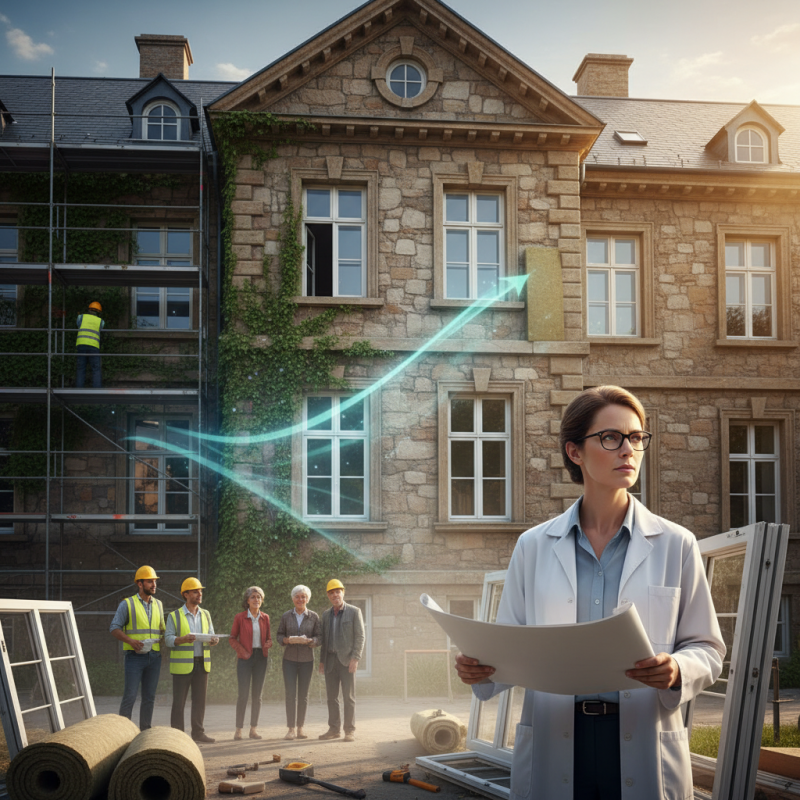
Energy efficiency in old buildings is crucial for several reasons. Many older structures are not designed with modern energy standards in mind. They often have outdated insulation, inefficient heating, and cooling systems. This leads to higher energy consumption and costs. These buildings are part of our history. Upgrading them responsibly can preserve that charm while making them more sustainable.
When we discuss energy efficiency, we should consider the overall impact. Inefficient buildings waste a significant amount of energy, contributing to higher emissions. Improving their efficiency reduces energy bills and enhances indoor comfort. However, retrofitting can be challenging. It requires balancing modern technologies with historical integrity. Striking this balance may lead to questions about what features to preserve.
Investments in energy upgrades pay off in the long run. However, decisions can be complex. Each building tells a story, and changes should reflect its unique history. It is essential to approach these upgrades thoughtfully. Engaging with professionals who understand both energy efficiency and historical preservation is vital. This ensures that we honor the past while embracing a sustainable future.
Older buildings often face significant energy inefficiencies. Many historic structures suffer from outdated insulation, drafty windows, and inefficient heating systems. According to the National Trust for Historic Preservation, energy upgrades can reduce energy consumption by up to 30%. Addressing these issues is crucial for improving comfort and reducing costs.
Common problems include single-pane windows that allow heat to escape. Poor insulation in walls and attics can exacerbate heating costs. The U.S. Department of Energy indicates that up to 25% of the heat is lost through inadequate insulation. Upgrading these elements can have a substantial impact on energy bills and environmental sustainability.
Tip: Consider adding storm windows or using window film to improve insulation without altering exterior aesthetics. Another option is to install on-demand water heaters to reduce energy waste. Regular energy audits can help identify inefficiencies before they become major problems.
| Energy Inefficiency | Impact | Potential Upgrade Solutions | Estimated Energy Savings (%) |
|---|---|---|---|
| Poor Insulation | Increased heating and cooling costs | Adding insulation to walls and attics | 20-30% |
| Drafty Windows | Loss of conditioned air | Weatherstripping and window film | 10-15% |
| Inefficient Heating Systems | Higher energy bills | Upgrading to high-efficiency boilers | 15-25% |
| Outdated Lighting | Excessive electricity usage | Installing LED lighting | 30-50% |
| Old Appliances | Higher operational costs | Replacing with Energy Star appliances | 20-40% |
Upgrading energy systems in aging properties is essential. Many old buildings were constructed without modern efficiency standards. This means outdated heating, cooling, and insulation systems can waste significant energy. Inefficient appliances often lead to increased utility bills. Homeowners must ask, "Is this expense necessary?"
Consider the benefits. First, improved energy efficiency can enhance comfort. Upgrades often lead to consistent temperatures throughout the building. New windows or better insulation reduce drafts. This improvement transforms living spaces into more enjoyable environments.
Next, energy-efficient upgrades also contribute to sustainability. Reducing energy consumption cuts down carbon footprints. In a time when climate change is pressing, every effort counts. Additionally, energy-efficient buildings have higher property values. This can result in better resale opportunities, making upgrades not just practical, but financially wise. Reflection on these facts can shift perspectives on the value of renovations.
Upgrading energy efficiency in old buildings is crucial. Many of these structures consume excessive energy due to outdated systems. The U.S. Department of Energy estimates that buildings account for 40% of national energy consumption. This highlights the importance of retrofitting older properties.
Funding and incentives are available for these energy improvements. The federal government offers tax credits, grants, and loan programs. According to the Energy Efficiency Financing program, investments can yield a return of up to 30%. However, the application process may be complex and challenging.
Despite these challenges, some cities have introduced local incentives. Initiatives such as rebates for energy-efficient appliances can reduce upfront costs. Yet, many property owners remain unaware of these options. Awareness and education about funding opportunities are necessary for broader participation. It often requires effort to navigate these resources, but the potential savings can be significant.
Older buildings often struggle with energy inefficiency. Yet, many have undergone successful upgrades, showcasing the potential benefits. For instance, a historic theater in a major city retrofitted its HVAC system. This change alone led to a 30% reduction in energy costs. The new system not only improved comfort but also preserved the building's character.
Another example is a century-old library that installed energy-efficient windows. These windows drastically improved insulation, reducing heating bills. The project highlighted the importance of balancing historical preservation with modern energy needs. However, challenges did arise, such as matching the original architecture and handling structural limitations. These details are crucial for any upgrade.
Investing in energy efficiency for older buildings is not just about savings. It enhances comfort, reduces carbon footprints, and often increases property value. Yet, each case requires careful planning and a willingness to adapt. The path is not always straightforward, but the successful outcomes provide valuable lessons for future projects.
: Upgrades improve energy efficiency, enhance comfort, and reduce utility bills.
Energy-efficient buildings typically have higher property values, improving resale opportunities.
Effective upgrades reduce energy consumption and carbon footprints, aiding in climate change efforts.
Yes, there are tax credits, grants, and loans available for such upgrades.
It can be complex and challenging; many property owners struggle with the process.
Sometimes local cities offer rebates, but many owners remain unaware of these options.
A historic theater retrofitted its HVAC system, cutting energy costs by 30%.
Yes, issues like matching original architecture can complicate the upgrade process.
Reflect on costs, benefits, and whether the project aligns with building preservation.
Consistent temperatures and reduced drafts create more enjoyable living spaces.
Energy Efficiency Upgrades For Old Buildings are crucial for reducing energy consumption and lowering utility costs while preserving the historical value of these structures. Many historic buildings are plagued by common energy inefficiencies, such as outdated heating and cooling systems, inadequate insulation, and drafty windows. Addressing these issues not only enhances the comfort and usability of these properties but also contributes to environmental sustainability by reducing carbon footprints.
The benefits of upgrading energy systems in aging properties extend beyond immediate savings, leading to improved marketability and potential increases in property value. Additionally, various funding options and incentives are available to encourage property owners to invest in energy efficiency improvements. Successful case studies demonstrate the effectiveness of these upgrades in enhancing the performance of old buildings, ultimately showcasing how modern technology can work in harmony with historical preservation.
