 HYBO Energy
HYBO Energy
HYBO Energy
In the ever-evolving world of commercial real estate, energy efficiency is crucial. John Smith, an expert in building sustainability, emphasizes, “Implementing effective energy saving tips is not just about cutting costs; it's about creating a sustainable future.” Understanding energy saving tips for commercial buildings can significantly impact both the environment and operational expenses.
Businesses often overlook simple strategies that can enhance energy efficiency. For instance, utilizing LED lighting and programmable thermostats can lead to substantial savings. Many companies fail to conduct regular energy audits, which can reveal areas for improvement. A proactive approach to these assessments can unlock hidden potential for saving energy.
It's vital for companies to approach energy savings with a blend of innovation and practicality. While some may think that larger investments are needed, small changes can accumulate over time. Reflection on current practices can fuel long-term sustainability goals. Ultimately, embracing energy saving tips for commercial buildings sets the stage for a brighter, more efficient future.
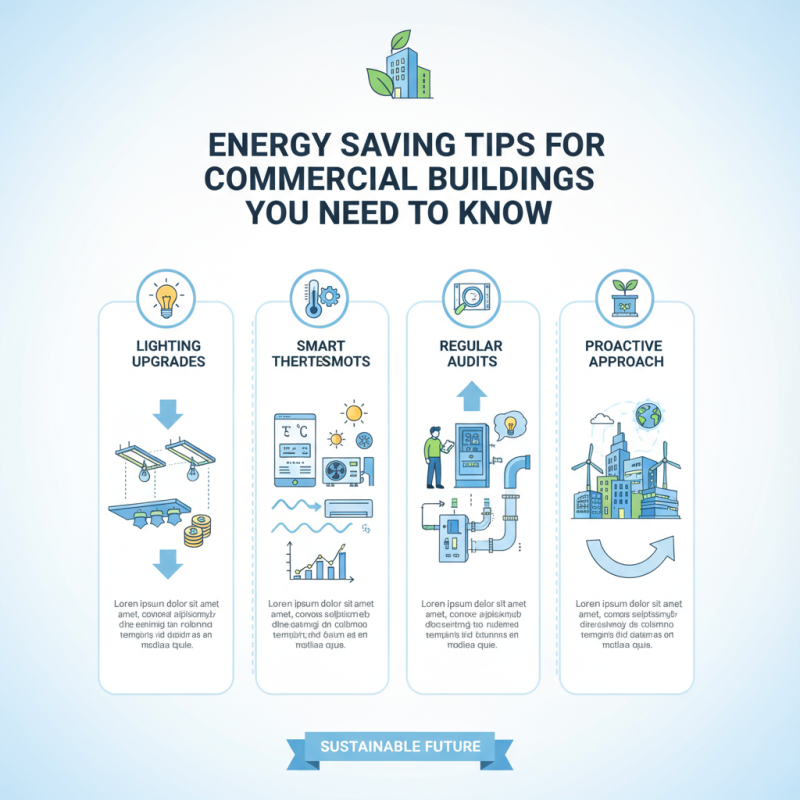
Understanding energy consumption in commercial buildings is critical for sustainability. Many businesses overlook how their operations impact energy use. For instance, lighting, heating, and cooling systems typically account for a significant portion of total energy expenses. A poorly designed HVAC system can lead to excessive energy waste, driving costs higher than necessary.
Data shows that upgrading to energy-efficient appliances can lead to savings. However, many organizations are hesitant to invest upfront. They fear the cost of new technology will outweigh the savings. Yet, integrating smart technology can optimize energy consumption. This allows buildings to react to external conditions, adjusting usage accordingly. It’s essential to analyze current usage patterns to identify inefficiencies.
Regular energy audits can be an eye-opener. Many businesses may not realize how much energy they are wasting. Small adjustments, like using timers or motion sensors, can lead to substantial savings. Understanding these factors helps businesses become more energy-conscious. Reflecting on energy habits may inspire necessary changes.
| Tip | Description | Estimated Savings (%) | Payback Period (Years) |
|---|---|---|---|
| Install LED Lighting | Upgrade existing lighting to LED for better efficiency and longer lifespan. | 30% | 2 |
| Optimize HVAC Systems | Regular maintenance and upgrades to HVAC can significantly reduce energy consumption. | 25% | 3 |
| Install Programmable Thermostats | Automate temperature control based on occupancy patterns to save energy. | 10% | 1 |
| Improve Insulation | Enhancing insulation can help maintain temperature and reduce heating/cooling costs. | 20% | 4 |
| Use Energy-Efficient Appliances | Replace old appliances with energy star-rated models to lower energy use. | 15% | 2 |
C efficiency?
Smart thermostats adapt to occupancy patterns, reducing unnecessary energy use, especially after hours.
Insulation and window placement affect HVAC performance. Outdated designs can result in wasted energy.
Real-time data identifies consumption patterns, allowing adjustments that can lower energy costs without sacrificing comfort.
Overdependence on automation may ignore valuable human insights, which can impact overall efficiency.
Engaged employees can reduce energy use by simple actions like turning off lights and using natural daylight.
Workshops and visible metrics, such as real-time energy displays, can educate occupants and encourage participation.
Proper training ensures technology is utilized effectively, unlocking its full potential for energy savings.
Regular audits reveal hidden energy-saving opportunities and assess the effectiveness of implemented strategies.
They may not motivate all occupants equally, leading to varying levels of engagement in energy-saving efforts.
In the quest for reducing operational costs and promoting sustainability, understanding energy consumption in commercial buildings is essential. Energy Saving Tips for Commercial Buildings begin with identifying potential energy-saving opportunities, particularly within HVAC systems, which are significant contributors to energy use. By implementing efficient lighting solutions tailored for workspaces and leveraging smart technology for energy management, businesses can optimize their energy efficiency.
Moreover, promoting sustainable practices among building occupants encourages collective responsibility towards energy conservation. Engaging tenants and employees in energy-saving initiatives not only cultivates a conscientious workplace culture but also enhances overall energy performance. Adopting these strategies fosters a more sustainable environment and significantly decreases energy expenditures.
