HYBO Energy
Energy storage is a crucial aspect of our transition to renewable energy. However, it comes with specific challenges. John Smith, an expert in the field, states, "Addressing energy storage challenges is key to a sustainable future." This highlights the importance of understanding the hurdles and the potential solutions we face.
The industry grapples with issues like efficiency, cost, and longevity. Each challenge poses risks for buyers, investors, and developers alike. From battery degradation to high installation costs, these factors can deter many stakeholders. Yet, opportunities exist. Innovative technologies are emerging, promising effective energy storage challenges and solutions.
Moreover, it’s vital to recognize that not every solution is perfect. Some ideas may fall short of expectations, prompting the need for further refinement. As we explore these energy storage challenges and solutions, embracing both successes and failures will be essential in moving forward. This journey requires collaboration, innovation, and a commitment to learning from experience.
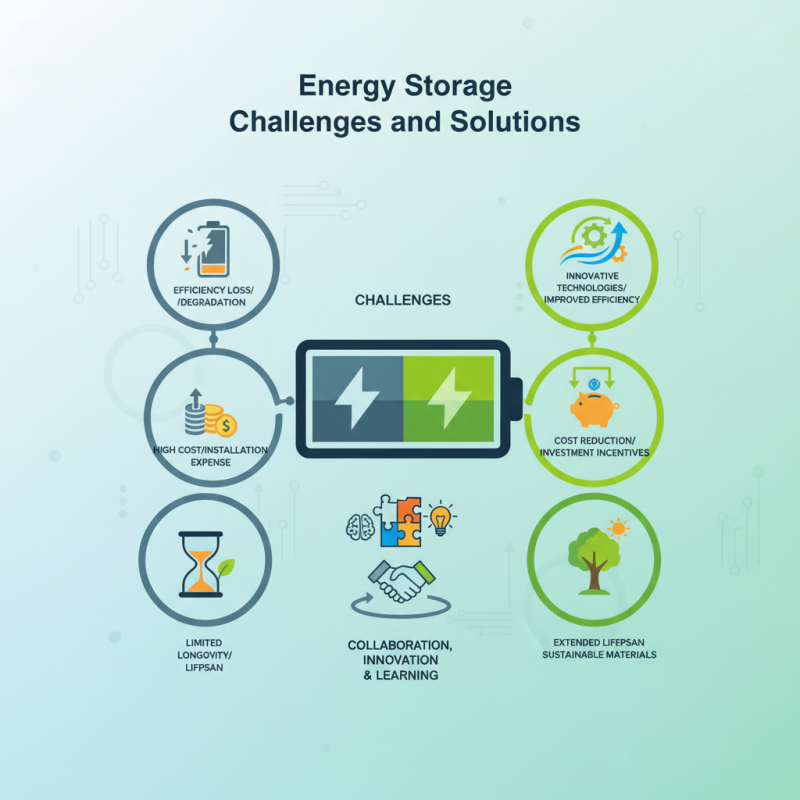
Energy storage systems are essential for balancing supply and demand in our ever-changing energy landscape. They allow us to store excess energy generated during peak production times and use it during periods of high demand. This flexibility is crucial as more renewable energy sources, like solar and wind, are integrated into the grid. Energy storage enhances grid stability, reduces reliance on fossil fuels, and can lower energy costs for consumers.
Yet, challenges remain. Selecting the right storage technology can be daunting. Many options exist, including lithium-ion batteries and pumped hydro storage. Each has its pros and cons. Potential buyers must consider factors such as lifespan, capacity, and efficiency. Ease of integration with current systems also plays a role. It's easy to overlook these details, but they can significantly impact performance. Buyers should approach the selection process with caution and gather as much information as possible.
Moreover, ongoing maintenance is another aspect worth considering. Users may experience degradation of storage capacity over time. Understanding the long-term implications can help avoid costly surprises. Seeking advice from energy specialists can provide crucial insights. Engaging in forums or attending workshops can enhance knowledge and confidence in making informed decisions.
Energy storage plays a crucial role in managing energy supply and demand. However, buyers often face significant challenges during implementation. One major issue is the high initial costs associated with advanced storage technologies. Many stakeholders hesitate to invest due to uncertain payback periods. It's essential for buyers to conduct thorough financial assessments.
Another challenge lies in integrating storage systems with renewable energy sources. Compatibility issues can arise, leading to inefficiencies. Buyers should carefully evaluate the technologies involved to ensure smooth integration. Understanding the specifics of energy systems can help mitigate these problems.
Tips: Research the latest energy storage technologies. Try to understand their advantages and limitations. Engage with experts for insights into reliable systems. Ensure that your chosen solution matches your energy needs.
Regulatory policies can also complicate implementations. Frequent changes in legislation may hinder project timelines. Buyers should stay informed about local regulations. Consulting legal experts can provide clarity on compliance requirements. Continual learning in this field is vital for success.
Energy storage systems have become essential in our transition to renewable energy. However, buyers often face significant barriers. For instance, high installation costs can deter many individuals and businesses. Additionally, limited scalability complicates adaptation in various environments. These factors require innovative solutions.
Emerging technologies offer promising answers. Modular energy storage systems allow for gradual investment and expansion. This addresses cost concerns while enabling users to tailor their systems to specific needs. Furthermore, enhanced battery technologies are improving efficiency and longevity. High-capacity batteries drain slower and last longer than traditional options.
Moreover, reliability remains a challenge. Energy management systems can monitor usage and optimize charging cycles. Integrating artificial intelligence enhances user experience and reliability. Yet, it's crucial to remain aware of potential flaws in these technologies. Continuous improvement and adaptation are necessary. Buyers must stay informed and critical of their choices to navigate the complexities of energy storage effectively.
When selecting energy storage solutions, several key factors come into play. Start by evaluating your energy needs. Consider peak consumption times and the types of energy sources available. Understanding these can help tailor a storage solution that meets your specific demands.
Tip: Calculate your average energy usage. This will guide you in choosing the right storage capacity. Don't underestimate fluctuations in energy use.
Cost-effectiveness is another crucial consideration. Prices vary significantly, so weigh your budget against potential savings. Look out for incentives or rebates in your region, as they can make a difference.
Tip: Research long-term benefits. A more expensive system might save you money on energy bills in the long run.
Lastly, reliability and safety should never be overlooked. Ensure the solution you choose has a solid track record. Investigate warranties and customer reviews. You want a system that not only performs well but also lasts.
Tip: Read user feedback. Real experiences can reveal strengths and weaknesses you might not see in product specifications.
This chart illustrates the growing demand for different types of energy storage solutions based on market segments. The data showcases the expected market growth for Lithium-ion, Flow batteries, and Pumped Hydro Storage over the next five years, highlighting the increasing preference for advanced storage technologies.
The energy storage market is evolving rapidly. New technologies are emerging to address the growing demand for efficient solutions. Key areas such as battery chemistry and grid integration are seeing significant advancements. These changes are driven by the necessity to optimize performance and reduce costs.
Many buyers are recognizing the importance of scalability in energy storage. Modular systems allow for easy expansion as energy needs grow. This adaptability is crucial for both residential and commercial users. However, challenges remain. The recycling of batteries and environmental impacts need further exploration. This area poses questions for sustainability advocates.
Market dynamics are also shifting with the rise of renewable energy sources. Energy storage is now more critical than ever. Proper energy management systems can enhance efficiency. As the market matures, buyers must stay informed. Understanding these trends will empower them to make wise decisions.
: Key challenges include high initial costs and integration issues with renewable energy sources.
Uncertain payback periods often lead to hesitance among potential investors.
Buyers should thoroughly evaluate technologies for smooth integration to avoid inefficiencies.
Frequent changes in regulations can delay project timelines and complicate implementations.
Consulting legal experts and keeping up with local regulations is important.
Modular energy storage systems and enhanced battery technologies address costs and efficiency.
They allow for gradual investment and customization based on specific energy needs.
While they optimize usage, potential flaws in technology must be monitored closely.
It enhances user experience and reliability by optimizing charging cycles.
Staying critical of choices helps navigate the complexities of energy storage effectively.
The article "Energy Storage Challenges Solutions Every Buyer Should Know" delves into the significance of energy storage systems and the key challenges faced during their implementation. It highlights issues such as technological constraints, costs, and regulatory frameworks that can hinder effective energy storage adoption. Additionally, the article discusses innovative solutions designed to overcome these barriers, ranging from advances in battery technologies to improved system integration strategies.
Furthermore, when selecting energy storage solutions, buyers must consider various factors, including capacity, efficiency, and lifecycle costs. Looking ahead, the piece emphasizes emerging trends in energy storage technology and evolving market dynamics that promise to reshape the landscape. Overall, understanding these Energy Storage Challenges And Solutions is essential for any buyer aiming to navigate the complexities of this critical field effectively.