HYBO Energy HYBO Energy

10 Essential Tips to Sustain Energy Systems for the Long Term?

Time:2026-07-02 Author:Madeline
0%

Energy systems are crucial for sustainable development and global economies. As per the International Renewable Energy Agency (IRENA), transitioning to renewable energy can reduce energy costs by up to 70% by 2050. However, knowing "How To Maintain Energy Systems Long Term" is equally vital for reaping these benefits.

John Smith, a leading energy consultant, emphasizes, “A proactive approach to maintenance can extend system life by a decade.” This highlights the need for continuous improvement and regular assessments. Many systems fail due to negligence, resulting in costly repairs and interruptions.

Investing in training and technology is essential. Regular audits can prevent breakdowns and ensure efficiency. When energy systems are not maintained properly, they can degrade in performance, leading to higher operational costs. In today's volatile market, the importance of reliable energy cannot be overstated.
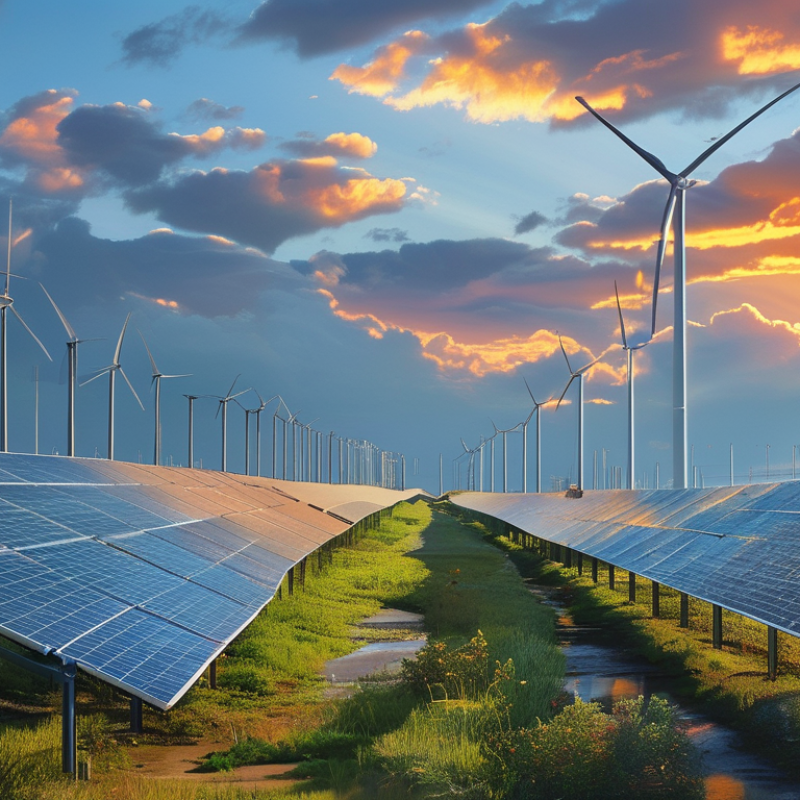
10 Essential Tips to Sustain Energy Systems for the Long Term?

Understanding Long-Term Energy Systems and Their Importance

Long-term energy systems are crucial for a sustainable future. They can ensure reliable energy supply, mitigate climate change, and support economic growth. According to the International Energy Agency (IEA), transitioning to renewable energy sources can reduce global CO2 emissions by up to 70% by 2050. Understanding these systems' complexities can help in making informed decisions.


One essential tip is to invest in diversified energy sources. Relying on a single source can lead to vulnerabilities. For instance, the solar and wind sectors alone experienced a 23% growth in investment in 2022. This diversification can improve resilience against fluctuations in energy prices.


Moreover, enhancing grid infrastructure is vital. Aging grids can impede energy distribution. According to the U.S. Department of Energy, investing in smart grid technology could save $200 billion by 2025. Ensuring energy efficiency in systems is equally important, with a potential to cut energy consumption by 30% in some sectors. Analyzing these elements reflects a proactive approach, fostering sustainable development in the energy sector.

Identifying Key Components of Sustainable Energy Infrastructure

Building a sustainable energy infrastructure involves recognizing its key components. Each part plays a critical role in maintaining energy systems. Renewable energy sources, such as solar and wind, are essential. They reduce reliance on fossil fuels. However, intermittent energy supply can be a challenge. Effective storage solutions like batteries are crucial. These systems must balance supply and demand reliably.

In addition to generation and storage, an efficient grid is vital. It connects energy producers to consumers. Upgrading these grids can be expensive and complex. Yet, smart grid technologies optimize energy flow and reduce waste. This innovation comes with costs that need thoughtful consideration.

Finally, community engagement is necessary. Local support fosters acceptance of new energy projects. Education on sustainable practices can empower individuals. But misunderstandings can hinder progress. Open communication is key for successful implementation. Each component must be thoughtfully addressed to create a well-rounded energy system.

10 Essential Tips to Sustain Energy Systems for the Long Term

Strategies for Enhancing Energy Efficiency in Systems

In an era where energy efficiency is crucial, enhancing energy systems is a priority. One effective strategy involves adopting practices that reduce energy wastage. Regular maintenance is key. Ensure all equipment operates at optimal levels. Timely inspections can identify inefficiencies before they become costly issues.

Implementing smart technologies can also impact energy conservation. For instance, smart meters can provide real-time data on usage patterns. This information helps identify peak consumption times. Users can adjust their habits accordingly. Behavioral changes, such as turning off lights when not needed, play a significant role too.

Consider integrating renewable energy sources. Solar panels and wind turbines can supplement traditional energy systems. By diversifying energy sources, systems can reduce dependence on non-renewable energy. This shift encourages sustainability and resilience. Regularly review these strategies to adapt to changing energy demands. A flexible approach ensures continuous improvement in energy efficiency.

Integrating Renewable Energy Sources for Longevity

The shift towards renewable energy sources is critical for the sustainability of energy systems. According to the International Renewable Energy Agency (IRENA), renewables could supply 86% of global power demand by 2050. This presents an opportunity for energy longevity, yet it comes with challenges.


Integrating multiple renewable energy sources can enhance reliability. For instance, coupling solar and wind can offset their variability. A study by the National Renewable Energy Laboratory (NREL) shows that a balanced mix can reduce grid instability by 30%. This type of integration requires an organized approach for effective energy management.


Tip 1: Focus on energy storage solutions. Batteries and pumped hydro storage can help smooth out production peaks and troughs. Increased investment in these technologies can enhance resilience.


Tip 2: Foster community renewable projects. Localized energy generation can reduce transmission losses. It encourages community engagement and addresses specific regional energy needs.


While these strategies present numerous benefits, they also require ongoing evaluation. The integration process can highlight weaknesses in existing infrastructure, necessitating updates and improvements. Long-term sustainability relies on adaptive strategies that incorporate real-time data and future forecasts. This ongoing learning process is vital for realizing the full potential of renewable integration.

Monitoring and Maintaining Energy Systems to Ensure Sustainability

Monitoring energy systems is crucial for long-term sustainability. Regular assessments help identify inefficiencies and potential failures early. Utilize real-time data to track performance. This proactive approach minimizes downtime and reduces costs. Engage qualified professionals to execute thorough inspections.


Maintenance routines must be consistent. Schedule periodic checks for equipment wear and tear. Overlooking small issues can lead to bigger problems. For example, a minor leak in a system can escalate rapidly if not addressed. Document all findings and actions taken during maintenance. This record enhances accountability and supports ongoing training.


Training personnel in proper monitoring techniques is essential. Not everyone is experienced in energy systems. Continuous education fosters a proactive culture. Encourage feedback from staff about challenges they observe. Their insights are valuable for improvements. Balancing technology with human observation can lead to a more resilient system.

FAQS

: What are long-term energy systems?

: Long-term energy systems ensure a reliable supply of energy and support sustainable development.

Why is diversifying energy sources important?

Diversifying energy sources helps reduce vulnerabilities and promotes resilience against price fluctuations.

How can renewable energy impact CO2 emissions?

Transitioning to renewable energy can potentially cut global CO2 emissions by 70% by 2050.

What role does grid infrastructure play in energy systems?

Grid infrastructure is vital for connecting energy producers to consumers and distributing power efficiently.

What challenges do renewable energy sources face?

Intermittent energy supply is a significant challenge for solar and wind energy systems.

How can energy efficiency be improved?

Implementing energy-efficient systems can reduce energy consumption by up to 30% in some sectors.

What is the importance of community engagement?

Community support fosters acceptance of energy projects and encourages education on sustainable practices.

What are smart grids?

Smart grids optimize energy flow and reduce waste, improving the overall efficiency of energy distribution.

What are the drawbacks of upgrading grid infrastructure?

Upgrading grids can be complex and expensive, requiring careful financial considerations.

Why is open communication crucial in energy projects?

Open communication helps to prevent misunderstandings, which can hinder the progress of new energy initiatives.

Conclusion

The article "10 Essential Tips to Sustain Energy Systems for the Long Term" offers valuable insights into how to maintain energy systems long term, emphasizing the significance of creating a reliable and sustainable energy infrastructure. It begins by outlining the importance of understanding long-term energy systems, which are crucial for supporting economic growth and environmental sustainability.

Key components of a sustainable energy infrastructure are identified, including the integration of renewable energy sources and enhancing energy efficiency within existing systems. The article also presents practical strategies for monitoring and maintaining these energy systems to ensure they remain effective and sustainable over time. By focusing on these strategies, stakeholders can successfully enhance the longevity and resilience of their energy infrastructure, ultimately contributing to a more sustainable future.

Madeline

Madeline

Madeline is a dedicated marketing professional with a wealth of expertise in our company's core offerings. With a keen understanding of the industry, she brings a unique perspective to her role, consistently delivering high-quality content that highlights the superior aspects of our products. As......