Embarking on the journey of green energy installation can be exciting yet daunting. Many newcomers feel overwhelmed by the multitude of options and techniques available. That’s where "Green Energy Installation Tips For Beginners" comes into play. This guide serves as a practical resource for those ready to embrace renewable energy solutions.
Understanding the different types of green energy can be beneficial. Solar panels, wind turbines, and geothermal systems are just a few examples. Each system has its unique benefits and challenges. It’s crucial to evaluate your specific needs. Knowing the local climate and available incentives can impact your decisions significantly. This could save you time and money in the long run.
Despite extensive information, some aspects are often overlooked. Beginners may underestimate installation complexities or miss measurements. Experimenting is a part of the learning curve. Mistakes will happen, but they can lead to valuable insights. Taking proactive steps to educate yourself is essential. Stay adaptable, and remember that every installation is a step towards a greener future.
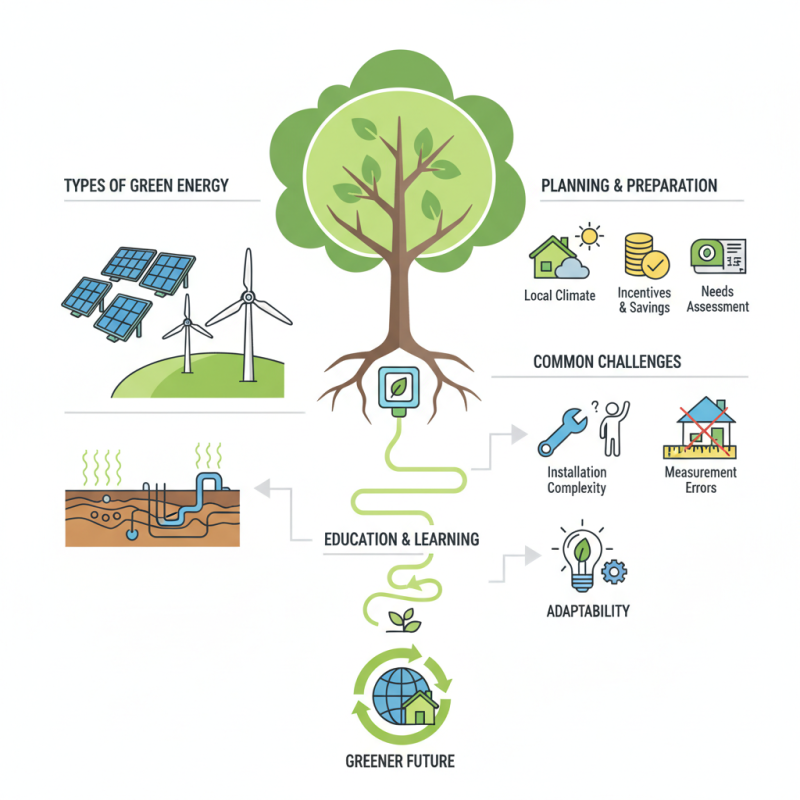
Essential Types of Green Energy Systems for Home Installations
When considering green energy systems for home installations, several options stand out. Solar panels are perhaps the most popular choice. They harness sunlight, converting it into electricity. A home with solar panels can significantly reduce energy bills. Installation can pose challenges, though. Ensuring the roof is suitable and maximizing sunlight exposure requires careful planning.
Wind turbines are another viable option, especially for homes in open areas. They generate electricity through wind movement. A small turbine can meet a good portion of energy needs. However, installing one can be complicated. Local regulations and zoning laws may restrict placement. Noise and aesthetic concerns are also worth considering.
Geothermal systems utilize the Earth's natural heat. They provide efficient heating and cooling solutions. Installation requires significant upfront investment and professional expertise. Homeowners must evaluate long-term benefits versus initial costs. Every green energy installation carries its own set of challenges and rewards, which must be carefully weighed.
Green Energy Systems Installation Tips
This chart represents the relative installation difficulty of various green energy systems on a scale from 1 to 10. Understanding these levels can help beginners choose the right type of system for their home installations.
Understanding the Benefits and Savings of Green Energy Solutions
Switching to green energy can bring significant benefits. One major advantage is
cost savings. While the initial investment may seem high,
the long-term reductions in energy bills are often considerable. Additionally, many regions offer incentives that lower
installation costs. Understanding these savings helps when considering solar panels or wind turbines for your home.
Tips for installation include evaluating your energy needs. Assess which appliances consume the most energy. This way,
you can determine the scale of the solution required for your household. Don't overlook local regulations. Checking
these early can save you headaches later. Lastly, consider starting small. A single solar panel can make a difference
and be an excellent starting point.
Green solutions can also boost your home’s value. Buyers often prefer properties
with sustainable energy options. However, not all regions are equally suited for every type of green energy.
Research and consult experts to ensure that your investment is sound. Sometimes, the ideal solution is not what
you initially think. Remain open to learning through the process. Understand that it is an evolving field.
Keeping informed will lead to more effective choices.
Step-by-Step Guide to Assessing Your Home's Energy Needs
Assessing your home's energy needs is a critical first step in transitioning to green energy. Many homeowners underestimate their consumption patterns. Data from the U.S. Energy Information Administration shows that residential energy consumption averages around 877 kWh per month. This number can vary significantly based on factors like location, house size, and occupancy. Understanding how much energy your home uses is crucial for making informed decisions about solar panels or wind turbines.
Begin by evaluating the appliances you currently use. Older devices consume more energy. For instance, an Energy Star-rated refrigerator uses about 30% less energy than an outdated model. Monitor your usage habits, such as heating and cooling preferences. Reports indicate that HVAC systems alone account for nearly 50% of residential energy use. Small adjustments here can lead to significant savings and better insights into your energy needs.
Next, consider conducting an energy audit. This assessment identifies areas where energy is wasted. Simple elements like drafty windows or insufficient insulation could be costing you. Surveys show that homes with proper insulation can save up to 20% on heating and cooling costs. Don't rush the audit process. Take time to gather accurate data. In the end, understanding your energy profile positions you better for a successful transition to green energy options.
Key Factors to Consider When Choosing Green Energy Equipment
Choosing the right green energy equipment requires careful consideration of several key factors. One essential aspect is the energy needs of your home. Understanding your electricity consumption can help you select suitable solar panels or wind turbines. Conduct an energy audit to analyze peak usage times and energy-efficient appliances. This step is crucial for maximizing renewable energy benefits.
Another factor is your location. The effectiveness of solar panels, for instance, can vary greatly depending on sunlight availability. If you live in a cloudy region, solar energy may not be the best fit for you. Look into local climate conditions, rainfall patterns, and wind speeds. Assessing these details ensures that the chosen equipment aligns well with your environment.
Budget is also a significant consideration. Green energy installations can be costly upfront. However, it's vital to factor in long-term savings on energy bills. Research available incentives and rebates that can ease financial burdens. Reflect on whether you prefer upfront costs or long-term investments. Choosing equipment without analyzing these factors might lead to regret down the line.
Tips for DIY Installation and Maintenance of Green Energy Systems
When venturing into green energy systems, understanding DIY installation and maintenance is crucial for success. A recent report from the International Renewable Energy Agency (IRENA) indicates that properly installed solar panels can increase energy efficiency by up to 20%. It's essential to grasp the basics before you start.
Before beginning your installation, consider these tips. Start by researching local regulations. Make sure you comply with zoning laws and obtain necessary permits. This step could save you from costly fines later on. Familiarizing yourself with your equipment is also vital. Read manuals thoroughly before assembly. Misunderstanding can lead to errors.
Maintenance is just as important. Regularly inspect your system. Look for debris on solar panels or any leaks in wind turbines. According to the U.S. Department of Energy, neglected maintenance can reduce your system's performance by 25%. Clean panels with a soft damp cloth. Ensure connections are secure and cables are intact. Remember, investing time in maintenance pays off in long-term efficiency.
FAQS
: Cost savings are significant. Initial costs may be high, but energy bills will decrease over time.
Analyze your appliances' energy consumption. Identify which appliances use the most energy for the right solution.
Yes, local regulations can affect installation. Checking these early helps avoid issues later.
Starting small can be beneficial. Even a single solar panel makes a positive difference for your energy needs.
Homes with green energy options often attract buyers. Sustainability can enhance property value.
Yes, location plays a crucial role. Sunlight availability and climate affect the efficiency of systems like solar panels.
Budget is essential. Factor in initial costs and long-term savings. Research incentives that could lower expenses.
Consulting experts and conducting research on local conditions is vital. Don’t settle for quick answers; stay informed.
Not analyzing can lead to regret. You may find you need to replace or upgrade sooner than expected.
Keep learning about the evolving field. Information helps make better decisions about energy solutions.
Conclusion
In "Green Energy Installation Tips for Beginners," readers are introduced to essential types of green energy systems suitable for home installations, such as solar panels and wind turbines. The article delves into the numerous benefits and financial savings associated with adopting green energy solutions, helping homeowners understand the long-term advantages of these systems.
Furthermore, a step-by-step guide is provided to assist beginners in assessing their home's energy needs, ensuring they choose the right installation based on their specific requirements. Key factors to consider when selecting green energy equipment are also highlighted, emphasizing the importance of efficiency and compatibility with existing home systems. Finally, the article offers valuable tips for DIY installation and maintenance, empowering readers to manage their green energy systems effectively and sustainably. These insights aim to make the transition to renewable energy accessible and straightforward for novices.
 HYBO Energy
