HYBO Energy HYBO Energy

What are Hybrid Inverters for 2026 Canton Fair Buyers?

Time:2026-03-27 Author:Sienna
0%

As the 2026 Canton Fair approaches, the spotlight is on innovative technologies like Hybrid Inverters. Hybrid Inverters combine solar power, battery storage, and grid electricity. They offer energy efficiency and reliability, ideal for modern energy demands. Industry expert Dr. Alex Reynolds emphasizes, “Hybrid Inverters are pivotal in transitioning to sustainable energy solutions.”

Recent market reports predict a significant growth in the Hybrid Inverters sector, projected to reach $15 billion by 2026. This growth is driven by rising energy costs and a global push for renewable energy. At the Canton Fair, buyers will discover a variety of Hybrid Inverter options that meet certifications like ISO and CE.

Navigating this vast technology can be quite challenging. Not every Hybrid Inverter available aligns perfectly with every energy need. Buyers must critically evaluate options, ensuring the chosen system fits specific requirements. The integration of AI at this year’s fair aims to enhance decision-making by streamlining supplier searches and navigation. However, the choice remains complex; reflecting on individual energy goals ensures informed purchasing decisions.
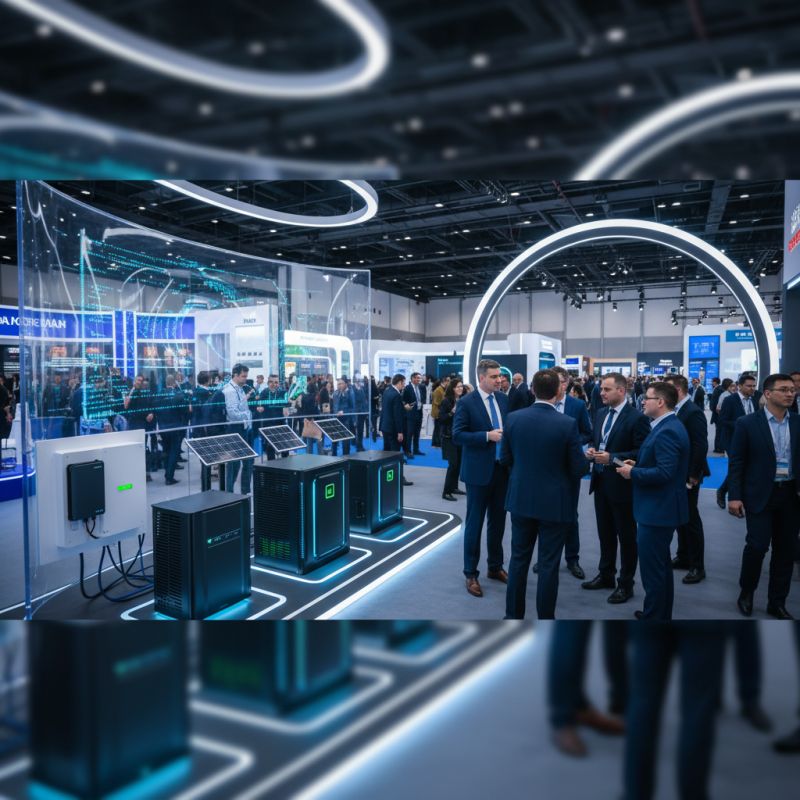
What are Hybrid Inverters for 2026 Canton Fair Buyers?

What are Hybrid Inverters and Their Functionality in Modern Grids?

Hybrid inverters are crucial for modern energy systems. They connect various power sources, like solar panels and the grid. By doing this, they optimize energy distribution and consumption. Hybrid inverters can store excess energy in batteries. They also provide backup power during outages, enhancing resilience.

These devices are versatile. They support multiple energy sources, making them ideal for fluctuating demand. In cities, they can balance energy loads effectively. However, not all hybrid inverters are equal. Some may struggle to sync with existing systems or have limited features. Consider your specific needs before making a choice.

Tips: Always check compatibility with your current setup. Research energy storage options. Overlooked details can lead to inefficiency. Embrace the technology but remain mindful of your energy goals.

Key Features and Benefits of Hybrid Inverters for Energy Management

Hybrid inverters play a crucial role in energy management systems. These devices are designed to optimize energy usage by integrating multiple energy sources. Users can combine solar power with grid energy and battery storage. This flexibility reduces dependence on traditional energy sources, making it appealing for eco-conscious buyers.

One important feature of hybrid inverters is their ability to manage energy flow. They can send excess solar energy to batteries for later use. This means energy can be stored for cloudy days or during peak times. Not all systems are efficient, and poorly installed inverters may not maximize savings. Regular maintenance and monitoring are essential.

Another benefit is their support for smart energy management. These inverters provide real-time data on energy consumption. Users can track how much energy they generate and use. This transparency encourages better energy habits. However, complexity can lead to confusion. Users need proper guidance to understand their systems fully. This can sometimes be a barrier to achieving optimal performance.

What are Hybrid Inverters for 2026 Canton Fair Buyers? - Key Features and Benefits of Hybrid Inverters for Energy Management

Feature Description Benefits
Grid-Interactive Hybrid inverters can operate both with solar panels and grid power. Provides energy reliability even during outages; maximizes energy savings.
Battery Storage Integration Supports battery storage systems, allowing for energy use at any time. Enables energy independence and reduces reliance on grid electricity.
Smart Energy Management Equipped with advanced monitoring and management systems. Optimizes energy consumption and promotes efficient usage of resources.
Seamless Switching Automatically switches between battery, solar, and grid power. Ensures uninterrupted power supply and optimal performance.
User-Friendly Interface Features a simple and intuitive control interface. Makes energy management accessible for all users.

Comparison of Hybrid Inverters with Traditional Inverters and ESS

Hybrid inverters are revolutionizing energy management. They integrate solar power generation, battery storage, and grid connectivity. This combination offers flexibility and efficiency.

Unlike traditional inverters, which only convert DC to AC power, hybrid inverters can manage multiple energy sources. They enable the use of stored energy during high-demand periods. This helps in reducing electricity bills and increasing independence from the grid. Many users appreciate the ability to store excess solar energy for later use. However, the complexity can pose challenges.

Energy Storage Systems (ESS) are another component to consider. Unlike hybrid inverters, ESS focuses solely on energy storage. It does not convert energy types. This can lead to limitations in functionality. For buyers, the choice might depend on individual needs. Traditional inverters are simple but lack storage. Hybrid inverters offer versatility but come with a steeper learning curve. Understanding these differences is key for informed decisions.

Trends in Hybrid Inverter Technology: Innovations Expected by 2026

As the 2026 Canton Fair approaches, hybrid inverters are gaining attention. They combine solar and battery technologies, offering flexibility. This technology's evolution holds promise for consumers and businesses alike.

Innovations are expected to enhance efficiency and connectivity. One emerging trend is smart-grid integration. Inverters may soon communicate with local energy resources. This could help balance supply and demand effectively. Real-time monitoring features may also become standard. Users need clear insights into their energy consumption.

However, challenges remain. Some consumers may find these systems complex. User education is vital to bridge this gap. Additionally, the cost of advanced features can be daunting. Manufacturers will need to address affordability while enhancing technology. As hybrid inverters evolve, the focus must be on practical applications that simplify user experience.

Considerations for Buyers at the 2026 Canton Fair: Choosing Hybrid Inverters

Hybrid inverters are becoming increasingly popular for buyers at the 2026 Canton Fair. Understanding their features is essential. These inverters combine the functionalities of traditional inverters and battery chargers. They manage energy efficiently and provide seamless transition between different power sources. Buyers should consider their specific needs before making a purchase. Evaluating power output and compatibility with existing systems is crucial.

When browsing hybrid inverters, it’s important to pay attention to the specifications. Take into account the inverter’s capacity, efficiency, and supported battery types. Not all models cater to every use case. Some may excel in residential applications, while others are geared towards commercial settings. Testing several options at the fair can help buyers determine the best fit.

Buyers often overlook installation requirements. Proper installation ensures optimal performance. However, some hybrid inverters can be complex to set up. It's wise to ask about installation support before purchasing. Consider the long-term service options as well. This can save time and money. Remember, not all inverters are created equal. An informed choice leads to better investment.

FAQS

: What are hybrid inverters?

: Hybrid inverters manage multiple energy sources like solar, grid, and battery storage. They offer flexible energy solutions.

How do hybrid inverters optimize energy usage?

They can store excess solar energy in batteries for later use, reducing reliance on traditional energy sources.

What makes hybrid inverters different from traditional inverters?

Hybrid inverters manage multiple energy sources, while traditional inverters only convert DC to AC power.

Can hybrid inverters help reduce electricity bills?

Yes, by using stored energy during peak demand and minimizing grid dependence, they can lower electricity costs.

Are there challenges when using hybrid inverters?

Yes, their complexity can lead to confusion. Users may need guidance to operate them effectively.

What data do hybrid inverters provide?

They offer real-time data on energy generation and consumption, promoting better energy management habits.

Why is user education important for hybrid inverters?

Understanding the system is crucial for optimal performance and to avoid confusion related to its complexity.

What innovations are expected in hybrid inverter technology by 2026?

Expect advancements in efficiency, smart-grid integration, and real-time monitoring for better user experience.

Are hybrid inverters more expensive?

Advanced features can raise costs, but manufacturers may need to focus on affordability as technology evolves.

What should potential buyers consider when choosing an inverter?

Consider individual energy needs, complexity, and whether storage or flexibility is more important for your situation.

Conclusion

Hybrid Inverters are essential components in modern energy management systems, combining the functionalities of traditional inverters and energy storage systems (ESS) to optimize energy usage in smart grids. They facilitate seamless energy transition between solar generation, battery storage, and the grid, enhancing efficiency and reliability. The growing adoption of Hybrid Inverters showcases their key features, including advanced monitoring, grid support capabilities, and the ability to manage energy flows effectively, making them an attractive choice for both residential and commercial applications.

As we look toward the 2026 Canton Fair, emerging trends in Hybrid Inverter technology indicate significant innovations that will address future energy demands. Buyers should consider factors such as system compatibility, features, and potential benefits when selecting Hybrid Inverters. By understanding these aspects, they can make informed decisions that align with their energy management goals and capitalize on the latest advancements in this evolving field.

Sienna

Sienna

Sienna is a skilled marketing professional with a deep expertise in our company’s core products and services. With a passion for innovation and detail, she plays a pivotal role in crafting insightful blog posts that not only highlight the unique features of our offerings but also provide valuable......