HYBO Energy HYBO Energy

Top 10 Ways to Improve Building Energy Performance?

Time:2026-07-30 Author:Madeline
0%

Improving energy performance in buildings is critical. The commercial building sector accounts for nearly 40% of total energy consumption in the U.S., according to the U.S. Energy Information Administration. Therefore, learning how to improve building energy performance is essential for sustainability and cost savings.

According to the International Energy Agency, energy-efficient buildings can reduce energy use by 30-50%. Yet, many structures still fall short. Factors like outdated HVAC systems, poor insulation, and inadequate lighting contribute to waste. Implementing effective strategies can help mitigate these issues.

Building performance not only impacts energy costs but also influences occupant comfort and productivity. A study by the Lawrence Berkeley National Laboratory found that energy-efficient buildings can lead to increased worker satisfaction. This highlights the importance of taking action to enhance building energy performance. Identifying effective solutions requires a commitment to continuous improvement and adaptation.
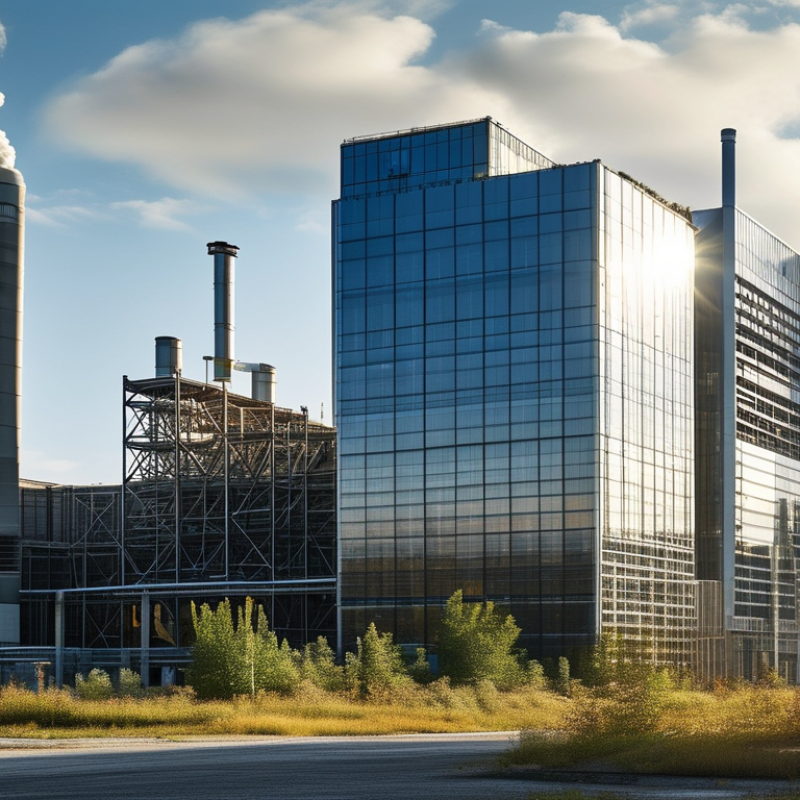
Top 10 Ways to Improve Building Energy Performance?

Understanding Energy Performance in Buildings

Energy performance in buildings is a critical aspect of sustainable design and operation. Understanding this performance requires analyzing how efficiently a building uses energy. It includes energy consumption for heating, cooling, lighting, and other appliances. Many buildings consume more energy than necessary. This not only leads to higher costs but also contributes to environmental harm.

Improving energy performance can be complex. It often involves a balance between comfort, functionality, and efficiency. For instance, retrofitting a building with better insulation can significantly reduce heating costs. Yet, the challenge lies in ensuring that indoor air quality remains acceptable. Sometimes, energy-efficient systems may require a learning curve for proper use and maintenance. It highlights the need for ongoing education for occupants and managers alike.

Regular energy audits are essential in identifying inefficiencies. They can reveal areas where energy is wasted. However, not all building owners prioritize these audits. Some may overlook minor improvements that can lead to significant savings. Such oversights can hinder efforts to enhance energy performance. It's important to foster a culture of awareness and accountability among building stakeholders.

Conducting an Energy Audit for Assessment

Conducting an energy audit is a vital step in enhancing building energy performance. It involves a detailed examination of energy usage and identifying areas for improvement. This process typically starts with a walkthrough of the building. During this inspection, you can spot obvious inefficiencies, like drafty windows or outdated HVAC systems. Observations are the first step in building a comprehensive energy profile.

Measurements are also crucial. Collecting data about energy consumption over time helps in identifying trends. You may find that peak usage occurs during certain seasons or events. This insight can guide strategic changes. However, it's essential to recognize limitations in existing systems. Systems that have been in place for years often need updates to meet current standards.

A thorough energy audit may reveal that some areas underperform without obvious signs. Insulation may be lacking in certain spaces, leading to energy loss. Lighting systems could be outdated, wasting energy. Even small adjustments, like installing LED bulbs, can greatly impact energy efficiency. Emphasizing regular audits supports sustained efficiency. It’s a continuous process that reflects growth and change.

Implementing Energy-Efficient Lighting Solutions

Implementing energy-efficient lighting solutions can significantly enhance a building's energy performance. One effective approach is switching to LED lights. LEDs consume less electricity and have a longer lifespan than traditional bulbs. This can reduce energy costs and maintenance efforts over time.

Furthermore, smart lighting controls can adjust brightness based on natural light availability. This not only conserves energy but also creates a more pleasant environment.

Consider using daylighting strategies by incorporating windows and skylights. Natural light reduces the reliance on artificial lighting, creating a healthier atmosphere. However, careful planning is required. Too much glare can deter occupants from enjoying the space.

Regular audits of lighting systems help identify inefficiencies. Even minor adjustments, like replacing faulty fixtures, can lead to energy savings. Relying solely on new technologies can be tempting, but a holistic approach is vital. Employee training on energy awareness can also encourage responsible use of lighting. Lighting doesn't just fulfill a purpose; it shapes how spaces are perceived and enjoyed.

Enhancing Insulation and Sealing for Thermal Comfort

Enhancing insulation is crucial for improving building energy performance. Proper insulation reduces heat transfer, keeping indoor environments comfortable. It minimizes energy demands for heating and cooling. Insulation materials vary widely, from fiberglass to foam. Each type has unique properties that can influence energy efficiency.

Sealing gaps and cracks is as important as insulation. Air leaks can significantly affect thermal comfort. Identifying and sealing these areas can lead to substantial energy savings. Using caulk or weather stripping can address common leak points. Pay special attention to windows and doors. Small gaps can have large impacts on energy loss.

While insulation and sealing are effective, the installation process matters. Improperly installed insulation can lead to cold spots or moisture issues. Regular assessments and adjustments may be necessary for effective performance. Building owners should consider their local climate when choosing materials. Some choices might be less effective in certain conditions, needing further evaluation.

Top 10 Ways to Improve Building Energy Performance - Enhancing Insulation and Sealing for Thermal Comfort

Method Description Expected Energy Savings (%) Impact on Comfort
Upgrade Insulation Enhancing wall, roof, and floor insulation. 20-30% Improved thermal comfort.
Seal Air Leaks Using caulk and weatherstripping to eliminate drafts. 10-20% Enhanced comfort and noise reduction.
Install Energy-Efficient Windows Replacing single-pane windows with double or triple-pane. 15-25% Increased natural light and reduced glare.
Add Thermal Mass Incorporating materials that absorb and retain heat. 5-15% Stabilized indoor temperatures.
Install Door Sweeps Adding sweeps to the bottom of doors to reduce drafts. 3-10% Less drafty environments.
Optimize HVAC Systems Regular maintenance and upgrades for efficiency. 15-30% Consistent indoor climate control.
Install Programmable Thermostats Smart thermostats that adjust automatically. 10-20% Increased user comfort preferences.
Utilize Renewable Energy Incorporating solar panels or wind turbines. 30-50% Energy independence and sustainable comfort.
Conduct Energy Audits Professional assessment to identify efficiency opportunities. 5-25% Informed decisions increase overall comfort.
Use Energy-Efficient Lighting Switching to LED or CFL bulbs. 5-15% Quality of lighting improves ambiance.

Utilizing Renewable Energy Sources for Sustainable Solutions

Utilizing renewable energy sources plays a vital role in improving building energy performance. Solar panels are an excellent choice. They can capture sunlight and convert it into electricity. This process not only reduces dependence on fossil fuels but also lowers energy bills. Wind turbines, when feasible, can also be implemented. These setups can generate clean energy in suitable locations. Even small-scale wind energy systems contribute significantly to powering buildings.

Harnessing geothermal energy can be another sustainable solution. It utilizes the earth’s internal heat for heating and cooling purposes. This method is efficient, especially in areas with stable ground temperatures. However, the initial installation costs can be high and may require expert consultation.

Moreover, integrating energy-efficient appliances and smart grid technology can further enhance energy performance. Smart systems allow real-time monitoring and optimization of energy usage. Yet, the challenge remains in ensuring the technology is user-friendly for everyone. The push for sustainability is urgent, but communities must also focus on ongoing education and training for effective implementation.

FAQS

: What is the purpose of an energy audit?

: An energy audit assesses building energy performance and identifies areas for improvement.

How does an energy audit start?

The process usually begins with a walkthrough of the building, checking for obvious inefficiencies.

What types of inefficiencies can be found during an audit?

Drafty windows and outdated HVAC systems are common inefficiencies noticed during inspections.

Why is data collection important in energy audits?

Collecting energy consumption data helps identify usage trends and peak consumption times.

What common issues might an audit reveal?

It may uncover inadequate insulation, outdated lighting, or other hidden inefficiencies.

How can small adjustments impact energy efficiency?

Simple changes, like switching to LED bulbs, can significantly improve energy use.

What role do renewable energy sources play?

They help reduce dependence on fossil fuels and lower energy bills for buildings.

What are some renewable energy options?

Solar panels and wind turbines are popular choices to generate clean energy on-site.

What is geothermal energy and its benefits?

Geothermal energy uses the earth’s heat for heating and cooling, providing efficient solutions.

What challenges exist with energy-efficient technology?

Ensuring user-friendly technology remains a challenge, alongside the need for ongoing education.

Conclusion

Improving building energy performance is essential for enhancing efficiency and sustainability in modern architecture. To achieve this, one must first understand energy performance metrics, which can guide necessary enhancements. Conducting a thorough energy audit allows for the identification of areas needing improvement, ensuring that resources are effectively allocated for maximum impact.

One of the key strategies on how to improve building energy performance includes implementing energy-efficient lighting solutions, which significantly reduce electricity consumption. Additionally, enhancing insulation and sealing can greatly improve thermal comfort, minimizing energy waste. Finally, incorporating renewable energy sources into building designs not only supports sustainability but also helps reduce dependence on non-renewable resources. By integrating these approaches, buildings can achieve optimal energy performance and contribute to a greener future.

Madeline

Madeline

Madeline is a dedicated marketing professional with a wealth of expertise in our company's core offerings. With a keen understanding of the industry, she brings a unique perspective to her role, consistently delivering high-quality content that highlights the superior aspects of our products. As......