HYBO Energy HYBO Energy

How to Navigate the Future of Smart Energy Management Systems?

Time:2026-05-28 Author:Isabella
0%

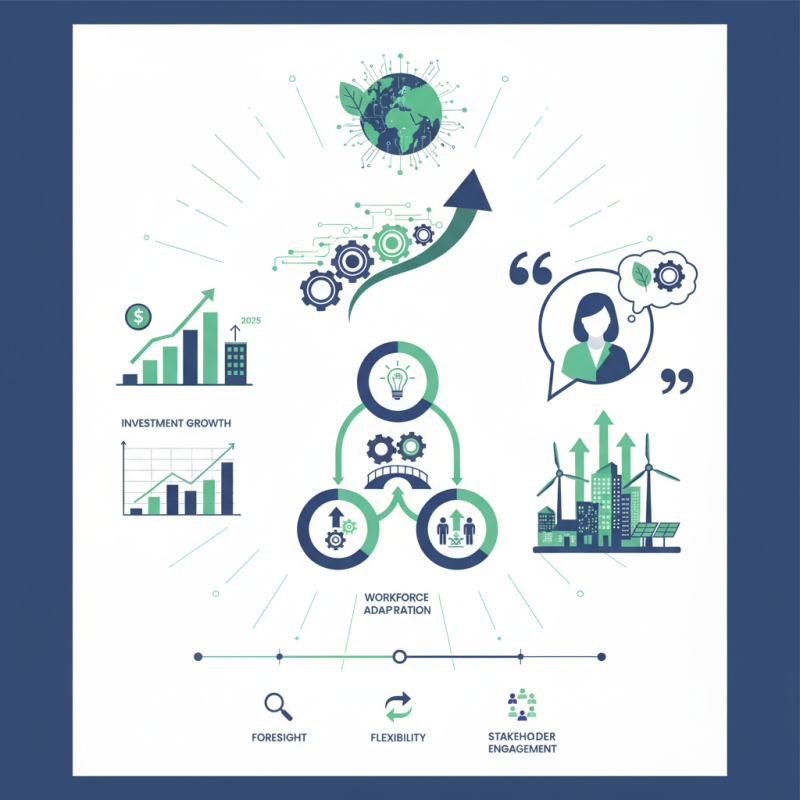
The Future Of Smart Energy Management Systems is a pivotal topic as the world shifts towards sustainable energy practices. According to a recent report by the International Energy Agency, investments in smart energy systems are projected to reach $130 billion by 2025. This growth highlights the urgency for businesses and governments to adapt to new technologies. Industry expert Dr. Linda Gray states, "Harnessing smart energy management systems will be crucial for achieving our sustainability goals."

Smart energy management systems are transforming how we consume energy. They enhance efficiency and reduce waste. However, many organizations struggle to implement these technologies. The challenge lies in integrating old systems with new ones. As noted by the Global Renewable Energy Report, training and adaptation in workforce skills will be necessary for successful transitions. Workers must embrace these changes to fully leverage the potential of smart energy solutions.

Reflecting on the Future Of Smart Energy Management Systems reminds us of the complexities faced. While the path forward is clear, the approach requires foresight and flexibility. Engaging stakeholders in the dialogue is vital. Each step counts toward a more sustainable and energy-efficient future.
How to Navigate the Future of Smart Energy Management Systems?

Understanding Smart Energy Management Systems: A Comprehensive Overview

Smart Energy Management Systems (SEMS) represent a transformative approach to energy usage. These systems leverage advanced technology to enhance energy efficiency. They collect and analyze data from various sources to optimize energy consumption. For instance, they monitor real-time energy use in buildings. This helps identify patterns and anomalies. By integrating renewable energy sources, SEMS contribute to sustainability.

Understanding the components of a SEMS is crucial. It includes sensors, smart meters, and software platforms. Sensors detect energy flow, providing valuable insights. Smart meters enable real-time tracking. The data analysis software interprets this information. However, not all SEMS are equally effective. Some may face challenges with user adoption. Others may struggle with integration issues. These obstacles highlight that technology, while powerful, isn’t infallible.

Implementing SEMS requires a thoughtful approach. Effective training for users is essential. Many may resist change due to fear or lack of understanding. Feedback loops can improve system performance over time. Continuous learning and adaptation are necessary. The path to effective smart energy management is complex. Each step forward presents opportunities and challenges requiring ongoing reflection.

Future Energy Consumption Trends (2023-2030)

This chart displays the projected trends in energy consumption across various sectors including residential, commercial, and industrial from 2023 to 2030. The data reflects a shift towards more sustainable energy solutions within Smart Energy Management Systems.

Key Technologies Driving Smart Energy Management Solutions Today

The landscape of smart energy management is rapidly evolving. Key technologies are reshaping how we monitor and reduce energy consumption. One pivotal technology is the advanced metering infrastructure (AMI). It collects data in real-time, allowing consumers to understand their energy use. This instant feedback loop can lead to significant energy savings.


Another important aspect is the integration of renewable energy sources. Solar panels and wind turbines are now common. However, their unpredictability in output presents challenges. Energy storage solutions, like batteries, play a crucial role here. They can store excess energy for later use. This integration can be complex but offers substantial benefits.


Furthermore, artificial intelligence (AI) is transforming energy management. AI algorithms analyze consumption patterns to optimize usage. They can predict when to use or conserve energy effectively. Yet, relying solely on technology raises questions about data privacy. Users must reflect on how much they share. Balancing innovation with security will be essential for future solutions.

Assessing the Benefits of Smart Energy Management for Users and Businesses

Smart energy management systems are transforming how users and businesses optimize their energy consumption. According to a report by the International Energy Agency, implementing these systems can lead to energy savings of up to 30%. This significant reduction contributes not only to cost savings but also to a lower carbon footprint. Many organizations are excited about these figures, but embracing technology also presents challenges.

The integration of smart systems requires upfront investments and ongoing maintenance. A study from the U.S. Department of Energy reveals that while 80% of companies recognize the potential benefits, only 50% actively implement them. This discrepancy highlights a gap in understanding and readiness to adopt new technologies. Moreover, the data privacy concerns that arise with smart systems cannot be overlooked. Users must weigh the benefits against the risks involved, ensuring that their data remains secure.

Awareness of these systems' capabilities is growing, yet many users still lack in-depth knowledge. Comprehensive training and support are crucial for successful implementation. As smart energy management continues to evolve, businesses will need to balance innovation with practicality, addressing both the benefits and the potential drawbacks.

Strategies for Implementing Effective Smart Energy Management Systems

Smart energy management systems (SEMS) are vital for advancing energy efficiency. A recent report by the International Energy Agency highlights that effective SEMS can potentially reduce energy consumption by up to 30%. Companies keen on implementing these systems must consider several strategies that focus on data analytics and real-time monitoring.

[Image]Integrating Internet of Things (IoT) technology is crucial. IoT devices enable continuous energy usage tracking, providing valuable insights that can inform operational changes. Data from the U.S. Department of Energy reveals that organizations using IoT-based SEMS see a 10-20% reduction in energy costs. However, balancing technology with user engagement remains challenging. Many employees may resist new practices, hindering the system’s effectiveness.

User feedback loops are essential for optimizing SEMS. Regularly collecting input allows firms to adjust strategies appropriately. It’s not uncommon for organizations to face initial implementation issues. Often, miscommunication leads to underutilization of the systems. Addressing these barriers through training and development can enhance overall performance and sustainability. Emphasizing a culture of energy awareness can drive better results over time.

Future Trends and Innovations in Smart Energy Management Technologies

The landscape of smart energy management systems is evolving rapidly. According to a report by MarketsandMarkets, the smart energy management market is projected to reach $40.5 billion by 2026, growing at a CAGR of 17%. This growth indicates increasing adoption of technology that enhances energy efficiency and sustainability.

Innovations in artificial intelligence and the Internet of Things (IoT) are central to these developments. AI algorithms analyze energy consumption patterns, allowing for optimized energy distribution. Meanwhile, IoT sensors monitor real-time data, providing actionable insights. A focus on user-friendly interfaces is necessary.
The complexity of data can overwhelm end-users. Hence, improving usability remains a challenge.

As industries embrace these technologies, data security and privacy issues arise. Many organizations struggle to protect sensitive information while integrating advanced systems. The industry must prioritize robust security measures to maintain trust among users. Balancing innovation with user concerns will be crucial as we navigate the future of smart energy management systems.

FAQS

: What is a Smart Energy Management System (SEMS)?

: SEMS is a system that optimizes energy use through advanced technology. It analyzes data for better energy efficiency.

How does SEMS collect data?

SEMS uses sensors, smart meters, and software. Sensors detect energy flow, and smart meters track energy in real-time.

What are the benefits of integrating renewable energy sources?

Renewables like solar and wind enhance sustainability. They can reduce overall energy costs but have unpredictable outputs.

What role does artificial intelligence play in SEMS?

AI analyzes energy consumption patterns. It helps predict the best times to use or conserve energy effectively.

What challenges might organizations face when implementing SEMS?

User adoption can be difficult. Many resist change, fearing it may disrupt familiar routines or processes.

Why are feedback loops important in SEMS?

Feedback allows organizations to improve strategies. Regular user input helps adjust systems for better performance over time.

How can IoT technology enhance SEMS effectiveness?

IoT devices provide real-time tracking of energy use. They offer insights that can lead to significant cost reductions.

What concerns arise with data privacy in SEMS?

Users should reflect on their data sharing habits. Balancing innovation and privacy is crucial in energy management.

What training is necessary for SEMS implementation?

Effective training is essential for users to understand the system. It helps alleviate resistance and empowers confident usage.

How can a culture of energy awareness benefit organizations?

Promoting energy awareness can lead to better practices. This culture encourages users to embrace energy-efficient habits over time.

Conclusion

The article titled "How to Navigate the Future of Smart Energy Management Systems?" provides a comprehensive overview of the evolving landscape of smart energy management. It begins by detailing the fundamental concepts of smart energy management systems, highlighting the key technologies that are currently driving solutions in this field. Businesses and users stand to benefit significantly from these systems, as they enhance efficiency, reduce costs, and promote sustainability.

Furthermore, the article outlines effective strategies for implementing smart energy management systems, emphasizing the importance of integration and user engagement. It also speculates on future trends and innovations that are likely to shape the future of smart energy management systems, such as advancements in artificial intelligence and IoT connectivity. This forward-looking perspective is crucial for stakeholders aiming to leverage these technologies for better energy efficiency and management in the coming years.

Isabella

Isabella

Isabella is a dedicated marketing professional with a sharp focus on driving brand growth and engagement through strategic content creation. With an extensive background in digital marketing, she combines her passion for storytelling with her keen understanding of industry trends to deliver......