HYBO Energy
Smart Grid Technology Explained Simply is transforming how we consume and manage energy. According to the U.S. Department of Energy, smart grid initiatives could save consumers over $200 billion by 2025. They enhance energy efficiency, reliability, and sustainability. Yet, many buyers remain unaware of these advantages.
Additionally, a report from the International Energy Agency indicates that smart grids can reduce greenhouse gas emissions by up to 25%. This shift is not just about saving money; it's also about promoting environmental responsibility. While the benefits are clear, the complexity of technology can be daunting for some consumers.
Institutions must prioritize education regarding smart grid technology. Many potential buyers remain skeptical or misinformed. Understanding these systems can empower buyers to make informed choices, ensuring they fully utilize the economic and environmental advantages available. The role of smart grids in today’s energy landscape cannot be overlooked.
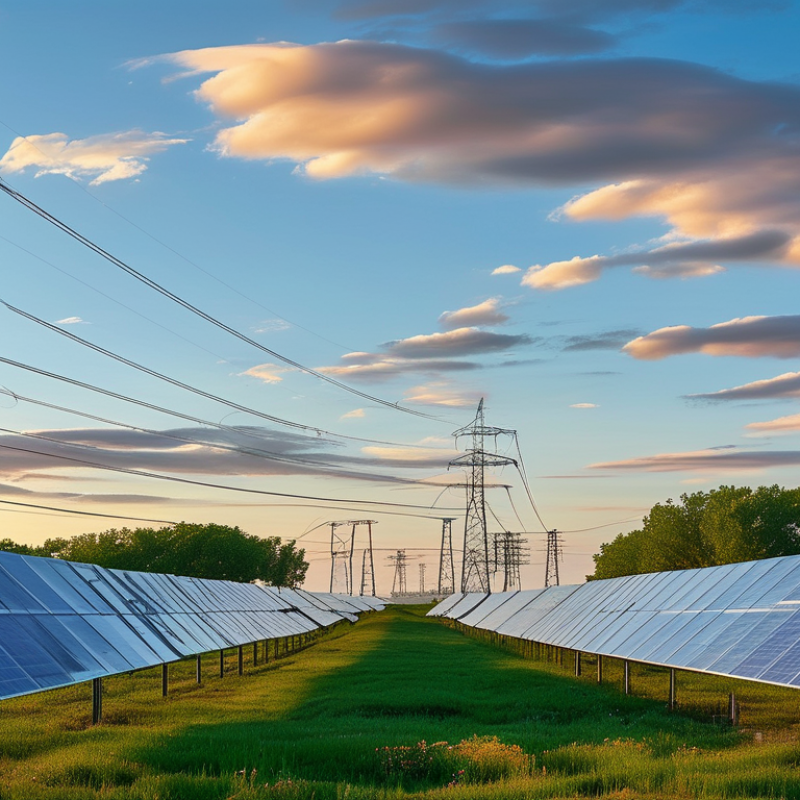
Smart grid technology is transforming the energy landscape. For energy consumers, its key features offer significant advantages. One major benefit is real-time energy monitoring. According to a report by the International Energy Agency, smart grids can enhance energy efficiency by up to 30%. This allows consumers to track their usage and adjust habits accordingly.
Another important feature is demand response programs. These systems enable consumers to reduce energy consumption during peak hours. A study from the Electric Power Research Institute indicates that demand response can cut peak demand by 10%. This not only lowers bills but enhances grid stability.
However, there are challenges. Implementation can be expensive, and the technology requires consumer buy-in. Additionally, cybersecurity is a growing concern as systems become more interconnected. Balancing technology benefits with these issues is essential for successful integration. As consumers adopt smart grid systems, continuous reflection on these challenges will be critical for maximizing their potential.
This chart illustrates the perceived benefits of smart grid technology for energy consumers, showcasing features such as increased reliability, cost savings, environmental impact, and better energy management.
Smart grid technology revolutionizes energy management. It enhances energy efficiency through improved communication and automation. According to a report by the U.S. Department of Energy, smart grids can reduce energy consumption by up to 15%. This reduction benefits consumers and lowers utility costs.
One key advantage is real-time data access. Consumers can monitor their energy usage more effectively. This knowledge empowers buyers to make informed decisions, resulting in lower energy bills. A recent study indicated that homes with smart meters achieve energy savings of around 10% on average.
However, implementing smart grid technology is not without its challenges. Initial installation costs can be high, and ongoing maintenance poses hurdles. This reality necessitates careful planning and investment. Consumers should also consider potential cybersecurity risks that accompany digital transformation. Balancing these factors is essential for ensuring long-term energy efficiency and security in the smart grid landscape.
Smart grid technology brings significant cost savings for buyers through enhanced efficiency. One major benefit is real-time energy monitoring. Users can track their energy consumption patterns. This awareness empowers them to make informed decisions. Reducing peak demand can lead to lower electricity bills.
Implementation of smart meters is another cost-saving feature. These devices provide accurate billing based on actual usage. They eliminate estimated billing cycles that can lead to disputes. Customers enjoy better budgeting when they receive precise data.
In addition, consumers can participate in demand response programs. Such initiatives reward users for reducing energy usage during peak times. However, not all buyers may understand these programs fully. Some may hesitate to adapt to new technologies. Education on smart grid benefits is essential for maximizing savings.
Smart grids play a pivotal role in enhancing renewable energy integration. These advanced systems enable efficient management of energy sources. They help balance supply and demand in real-time. As more solar panels and wind turbines come online, smart grids adapt quickly. This flexibility increases the stability of energy systems.
With smart grids, energy storage solutions also thrive. Batteries can store excess energy generated during peak production times. This stored energy is crucial when generation dips. However, potential challenges exist. Infrastructure upgrades can be costly and time-consuming. Integrating various energy sources may lead to technical hiccups and data security issues.
Collaboration among stakeholders is vital for success. Utilities, regulators, and tech companies must work together. Their combined expertise will address these obstacles. By sharing knowledge, they can foster innovation and streamline processes. Creating an inclusive environment is essential for the future of renewable energy integration.
| Dimension | Description | Impact on Buyers | Renewable Energy Integration |
|---|---|---|---|
| Cost Savings | Reduced electricity bills and improved operational efficiency. | Lower energy costs lead to increased customer satisfaction. | Supports the integration of renewable sources by optimizing demand response. |
| Reliability | Enhanced grid reliability with real-time monitoring. | Fewer outages and improved service continuity. | Allows for more stable integration of variable renewable energy sources. |
| Environmental Impact | Reduces carbon footprint through smart energy management. | Creates greener energy options for buyers. | Boosts usage of renewable energy sources like solar and wind. |
| Consumer Engagement | Empowers consumers with control over their energy usage. | Increases informed decision-making and energy conservation. | Encourages investment in home renewable technologies. |
| Innovation | Fosters new energy solutions and technologies. | Drives competition and advances consumer choices. | Facilitates the development of smart appliances and grid-connected devices. |
Smart grid technology is reshaping consumer interactions with energy. Through advanced metering and real-time data, consumers gain unprecedented control over their energy consumption. According to a report from the U.S. Department of Energy, smart grids can reduce energy usage by up to 12%. This means potential savings on utility bills for consumers, empowering them to make informed decisions.
With enhanced visibility, consumers can track their energy usage patterns. Real-time data helps identify peak usage times, allowing users to shift their consumption to off-peak periods. A study by the International Energy Agency indicates that active consumer participation can lead to a 20% enhancement in energy efficiency. This shift not only benefits buyers but also stabilizes the grid, reducing the need for additional power plants.
However, reliance on smart technologies comes with challenges. Data privacy remains a significant concern, as consumers must trust that their information is secure. Furthermore, not all consumers have equal access to smart grid technologies. Low-income households may struggle to utilize these benefits fully, highlighting the need for inclusive policies that ensure all users can take advantage of smart grid innovations.
: Smart grid technology offers real-time energy monitoring, enhancing efficiency and allowing consumers to track usage.
By monitoring energy usage, consumers can shift their consumption to off-peak times, resulting in lower bills.
Demand response programs enable consumers to reduce usage during peak hours, lowering bills and improving grid stability.
Initial installation costs and maintenance can be high, requiring careful planning and investment.
Improved communication and automation can lead to energy savings, reportedly reducing consumption by up to 15%.
As systems become interconnected, the risk of data breaches and privacy issues grow, necessitating cautious implementation.
It allows consumers to monitor usage effectively and make informed decisions, leading to potential savings on bills.
Not all consumers have equal access. Low-income households may miss out on benefits, highlighting the need for supportive policies.
Active participation can improve energy efficiency by about 20%, benefiting both consumers and the overall grid.
They need to weigh benefits against costs and be aware of potential cybersecurity risks involved in digital integration.
Smart Grid Technology Explained Simply emphasizes the transformative potential of smart grids for energy consumers. Key features such as advanced metering and real-time monitoring empower consumers by providing them with greater control over their energy usage. This technology enhances energy efficiency by optimizing the distribution and consumption of electricity, leading to significant cost savings for users.
Moreover, the integration of renewable energy sources is significantly improved through smart grids, facilitating a cleaner and more sustainable energy landscape. By embracing smart grid innovations, consumers are not only able to reduce their bills but also contribute to a more resilient and efficient energy system, ultimately fostering greater participation in the energy market.
