HYBO Energy HYBO Energy

Solar Energy Vs Wind Energy Comparison Top 5 Tips You Need?

Time:2026-06-04 Author:Sophia
0%

The debate surrounding "Solar Energy Vs Wind Energy Comparison" is increasingly relevant as governments and individuals seek sustainable solutions to energy challenges. Both solar and wind energy have unique advantages and limitations. Understanding these differences is essential for making informed choices.

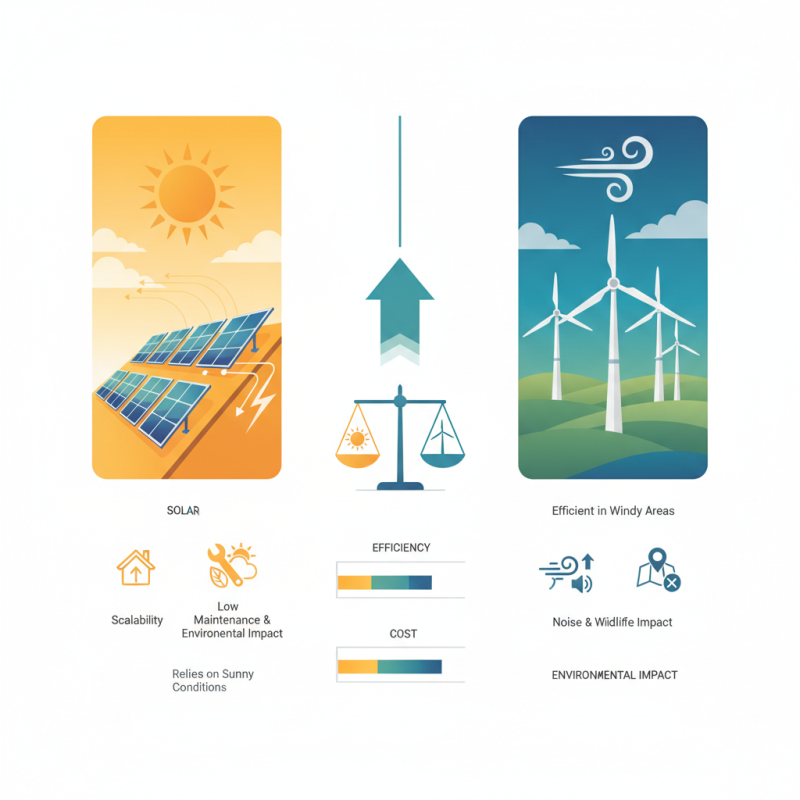
Solar energy captures sunlight using panels, converting it into electricity. It's widely available and can be installed on rooftops. However, it relies on sunny conditions. In contrast, wind energy harnesses kinetic energy from wind through turbines. It generates power efficiently in windy areas. Yet, it can face issues such as noise and impact on wildlife.

Each energy source presents distinct pros and cons. Solar energy offers low maintenance and scalability. Wind energy, while powerful, requires specific geographic conditions. Evaluating factors like efficiency, cost, and environmental impact highlights their complexities. This exploration of "Solar Energy Vs Wind Energy Comparison" provides insights to guide decisions. It's crucial to reflect on these elements as they shape our energy future.
Solar Energy Vs Wind Energy Comparison Top 5 Tips You Need?

Comparison of Solar Energy and Wind Energy: An Overview

Solar energy and wind energy operate on distinct principles, yet both offer sustainable solutions for our energy needs. Solar panels convert sunlight directly into electricity. In contrast, wind turbines harness kinetic energy from wind. According to the U.S. Energy Information Administration, solar energy accounted for around 3% of total U.S. electricity generation in 2020, while wind power contributed about 8%. This data reflects the growing investment in renewable technologies.

One key tip when comparing solar and wind energy is to consider location. Solar power thrives in sunny regions with minimal cloud cover. Wind energy, however, requires areas with consistent wind patterns. Select the energy source that aligns best with your geographic advantages.

Another critical aspect is maintenance. Solar panels generally require less upkeep compared to wind turbines. Turbines can face wear and tear from constant movement. This can lead to higher maintenance costs over time. Assess your capacity for maintaining either system before making a decision.

Integrating solar and wind energy can significantly reduce carbon footprints. Studies indicate that combining these forms could lead to a more stable and reliable energy supply. Each system addresses unique challenges, but together, they can enhance sustainability.

Both energy sources may have their limitations. Solar energy can be less effective during winter months, while wind energy's efficiency depends on weather conditions. Evaluating these factors is essential for long-term energy planning.

Comparison of Solar Energy and Wind Energy

Efficiency Insights: Solar Panels vs. Wind Turbines Performance

When comparing solar energy and wind energy, efficiency plays a critical role. Solar panels convert sunlight directly into electricity, while wind turbines harness the kinetic energy in air. The efficiency of solar panels can vary based on factors like location and weather. In contrast, wind turbine efficiency depends significantly on wind speed and turbine design.

One important tip is to consider the average sunlight hours in your area. Regions with consistent sun exposure tend to benefit more from solar energy. Conversely, areas with strong, steady winds are ideal for wind turbines. Each energy source has its specific strengths and weaknesses that must be evaluated.

Another point to reflect on is maintenance. Solar panels generally require less upkeep than wind turbines, which have moving parts that may wear out over time. Understanding your landscape and environment is crucial. The best choice isn't always the most obvious one, so weigh the options carefully.

Cost Analysis: Installation and Maintenance Expenses in Both Sectors

When comparing solar energy and wind energy, cost is a critical factor. Installation expenses for solar panels can range widely. A typical residential setup requires an investment between $15,000 to $30,000. This upfront cost may seem daunting. However, solar energy can reduce electricity bills significantly.

Wind energy systems have different pricing. Smaller wind turbines can cost around $40,000 to $100,000. These installations depend heavily on location and wind availability. Maintenance costs are another aspect to consider. Solar panels generally need minimal upkeep. Cleaning and occasional inspections help maintain efficiency. In contrast, wind turbines require regular maintenance due to moving parts.

Analyzing these expenses reveals a more complex picture. Solar can be cheaper long-term, but initial costs are at the forefront. Wind may have higher initial costs, but strong winds can boost efficiency. Both options have unique financial challenges. Carefully evaluating these aspects can guide informed decisions.

Environmental Impact: Carbon Footprint and Land Use Considerations

When considering the environmental impact of solar and wind energy, the carbon footprint is a critical factor. Solar panels have a moderate carbon output during manufacturing, largely due to mined materials. Wind turbines, in contrast, have a lower carbon footprint during production. Yet, both sources face challenges in long-term land use.

Solar farms require significant land, which can disrupt local ecosystems. For instance, large solar installations often replace natural habitats, affecting biodiversity. Wind energy, while occupying less ground space, poses threats to birds and bats. The placement of turbines can have unintended consequences.

Both energy sources offer cleaner alternatives to fossil fuels, yet they come with drawbacks. Striking a balance is essential. Ongoing research aims to improve the sustainability of these technologies. It's crucial to continually assess the impacts and improve practices. We should remain open to new ideas and solutions in renewable energy.

Future Trends: Technological Advances in Solar and Wind Energy Solutions

The future of solar and wind energy is bright, filled with significant technological advances. Solar energy systems are becoming more efficient, with the average efficiency of commercial solar panels nearing 22%. Reports show that global installations of solar photovoltaic (PV) capacity could exceed 1,000 GW by 2025. These advances empower more homeowners and businesses to harness solar power effectively.

Wind energy is also evolving. Researchers are pushing the limits of turbine design, leading to larger turbines that can capture more energy. A recent study indicates that onshore and offshore wind power could generate 30% of the world’s electricity by 2030. This increase hinges on new technologies, allowing wind farms to operate even in less windy areas.

However, challenges remain. Energy storage remains crucial for both solar and wind solutions. Current battery technologies struggle with efficiency and cost. As industries develop better storage options, the reliability of renewable sources will improve. Furthermore, the environmental impacts of manufacturing solar panels and wind turbines require reflection and innovation to minimize harm.

FAQS

: What factors affect the efficiency of solar panels?

: Solar panel efficiency varies based on weather, location, and average sunlight hours.

How does wind turbine efficiency depend on external conditions?

Wind turbine efficiency relies heavily on wind speed and the design of the turbine.

What regions are best suited for solar energy?

Areas with consistent sun exposure tend to benefit more from solar energy solutions.

Are there maintenance concerns for solar panels and wind turbines?

Solar panels need less upkeep, while wind turbines require more due to their moving parts.

What is the current average efficiency of commercial solar panels?

The average efficiency for commercial solar panels is nearing 22% today.

How is wind energy technology evolving?

Researchers are designing larger turbines, allowing more energy capture for wind energy.

What percentage of the world's electricity could wind power generate by 2030?

Wind power could potentially generate 30% of the world's electricity by 2030.

What challenges do renewable energy sources face?

Energy storage is a major challenge, impacting the reliability of solar and wind energy.

Why is it important to evaluate the environment before choosing energy sources?

The best choice isn’t always obvious; understanding the environment can lead to better decisions.

How do manufacturing processes impact renewable energy solutions?

The environmental effects of making solar panels and wind turbines need careful consideration.

Conclusion

The article "Solar Energy Vs Wind Energy Comparison" provides a comprehensive overview of the key differences and similarities between these two renewable energy sources. It explores the efficiency of solar panels compared to wind turbines, highlighting their performance in various conditions. Additionally, a cost analysis is included, detailing the installation and maintenance expenses associated with each energy sector.

Environmental impacts are also discussed, focusing on carbon footprints and land use considerations, which are critical for assessing sustainability. Finally, the article looks toward future trends, emphasizing the technological advancements in both solar and wind energy solutions that may shape the landscape of clean energy production. This analysis serves as a valuable resource for those interested in understanding the dynamics between solar and wind energy.

Sophia

Sophia

Sophia is a dedicated marketing professional with an exceptional depth of knowledge about her company's products and services. With a keen understanding of market trends and customer needs, she crafts insightful blog posts that not only inform but also engage readers, enriching the company’s online......