HYBO Energy
In the rapidly evolving energy landscape, optimizing energy storage systems is critical. According to a recent report by the International Energy Agency, global energy storage capacity is expected to increase significantly, reaching 1,400 GWh by 2030. This surge emphasizes the need for effective strategies to enhance performance and efficiency. Experts assert that successful energy storage management can lead to cost savings and improved grid reliability.
Mark Z. Johnson, a leading energy consultant, states, "How to optimize energy storage systems is a question that must be answered with precision." His insights highlight the importance of adopting modern solutions. Innovations in battery technology and enhanced data analytics are essential for maximizing efficiency. However, not all strategies are effective for every application, which requires careful evaluation.
Understanding these strategies can be a daunting challenge. It's vital to address the gaps in current practices. Energy stakeholders must reflect on their existing methods to harness the full potential of energy storage systems. By implementing tailored strategies, we can pave the way for a resilient energy future.
Energy storage systems (ESS) have gained significant importance in the modern energy landscape. They allow for the efficient use of renewable resources, bridging the gap between energy supply and demand. In a report by the International Renewable Energy Agency (IRENA), energy storage capacity is expected to grow significantly, reaching over 1,000 GW by 2030. This growth is crucial as grid instability becomes more frequent with the increasing share of renewables like wind and solar.
The integration of ESS can enhance grid resilience and reliability. It provides backup power, regulates voltage, and helps manage peak loads. According to the U.S. Department of Energy, effective energy storage systems can reduce energy costs by up to 30%. However, challenges remain. Current technologies face limitations in efficiency, longevity, and environmental impacts. Material sourcing for batteries raises concerns about sustainability. As we seek optimal strategies for energy storage, evaluating these challenges is vital for achieving a balanced energy future.
Optimizing energy storage systems relies heavily on key performance indicators (KPIs). Identifying these KPIs requires a clear understanding of system goals.
Efficiency, capacity, and reliability must be at the forefront of evaluation.
Tips: Regularly assess your efficiency metrics. Small changes can lead to significant gains.
Capacity is crucial in ensuring your system meets demand. Monitor discharge cycles closely to prevent overuse. Understanding the balance between stored energy and export capabilities is essential.
Tips: Use real-time data for better insights. This will improve decision-making.
Reliability presents challenges that require ongoing attention. Unexpected failures can disrupt service and increase costs. Set up contingency plans to address potential issues.
Tips: Conduct routine maintenance checks. A proactive approach can save time and money.
Advanced control strategies are vital in optimizing energy storage systems. Implementing smart algorithms can significantly enhance efficiency. These strategies can predict energy demand and adjust the charging and discharging processes accordingly. With improved forecasting, systems can respond proactively to fluctuations, resulting in reduced energy loss.
Tips: Regularly assess your algorithms. Review their performance to identify potential weaknesses. Continuous improvement is key to maintaining efficiency in energy systems.
Moreover, integrating machine learning can provide insights into usage patterns. By analyzing historic data, systems learn how to manage energy better. Advanced controls can also coordinate multiple storage units, maximizing output. However, complexities may arise in synchronization. Balancing these systems requires periodic evaluations.
Tips: Communicate with all stakeholders regularly. Training staff on new technologies is crucial for smooth operations. Gaps in knowledge can hinder system performance.
Engaging in simulation tests will help uncover flaws in control strategies. Testing under various conditions prepares the system for real-world scenarios. Adapting to changes is essential. Flexibility can improve overall reliability and efficiency.
The energy storage industry is at a critical juncture. Emerging materials and innovative technologies hold the promise to revolutionize how we store electricity. Recent studies indicate that materials like solid-state batteries could enhance energy density significantly. For instance, solid-state designs are projected to offer up to 300 Wh/kg, surpassing traditional lithium-ion batteries, which average around 150 Wh/kg.
Graphene and silicon-based anodes are gaining traction due to their superior conductivity and capacity. Graphene can improve charge and discharge rates, leading to quicker energy retrieval. Reports have shown that these materials can potentially double the lifecycle of conventional batteries. However, scaling these technologies remains a challenge. Manufacturing processes must evolve to meet demand and manage costs effectively.
Another promising avenue lies in flow batteries. These systems can decouple energy capacity from power output, offering flexibility for large-scale applications. A recent report noted that flow batteries could provide 10 to 12 hours of discharge, making them ideal for renewable integration. Yet, issues like energy efficiency and system complexity require further research. As the industry explores these materials and technologies, ongoing collaboration and innovation will play a key role in their successful deployment.
Integrating renewable energy sources into energy storage systems is essential for maximizing storage efficiency. According to a study by the International Renewable Energy Agency (IRENA), renewable energy sources are expected to account for 86% of total power generation by 2050. This shift presents an opportunity to enhance energy storage capabilities dramatically.
The variability of solar and wind energy poses challenges. Energy storage systems must adapt to fluctuating input. Reports indicate that hybrid systems combining battery storage with other technologies can provide stability. A study showed that these systems can yield efficiency improvements of up to 40% in energy management. Utilizing smart grid technology can also facilitate this integration, allowing for real-time monitoring and management.
While these advancements are promising, challenges remain. Current storage solutions may not always support high integration levels. The cost of implementing these systems can be significant, impacting long-term investment decisions. Additionally, there is a need for better regulatory frameworks that support innovation while ensuring reliability. Addressing these issues is crucial for optimized energy storage in a renewable-driven future.
: Energy storage systems store excess energy for later use. They help balance supply and demand efficiently.
ESS enhance grid reliability and resilience. They provide backup power and help regulate voltage.
Smart algorithms can optimize energy management. They predict demand and adjust charging and discharging effectively.
Machine learning analyzes data patterns. It helps systems manage energy usage more efficiently over time.
Solar and wind energy are variable. ESS must adapt to the fluctuations in energy input.
Hybrid systems can combine battery storage with other technologies. They have shown efficiency improvements of up to 40%.
Initial costs can be high. This might affect long-term investment decisions for energy storage.
Regular communication with stakeholders is vital. It ensures all parties are informed and systems operate smoothly.
Flexibility allows systems to adapt to changing conditions. It improves overall reliability and efficiency in energy management.
Regular assessments and tests of algorithms are crucial. Identifying weaknesses can lead to better performance.
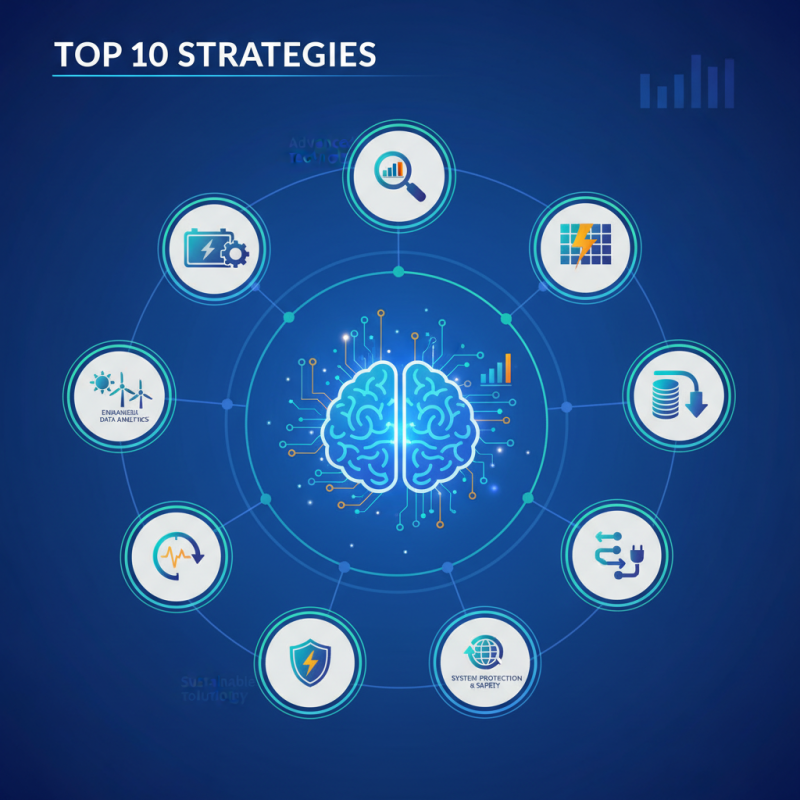
The article "Top 10 Strategies to Optimize Energy Storage Systems" provides a comprehensive overview of energy storage systems, highlighting their critical role in modern energy management. It emphasizes the importance of identifying key performance indicators (KPIs) that are essential for understanding system efficiency and effectiveness. Moreover, it discusses the implementation of advanced control strategies that can significantly enhance performance, allowing for more effective energy management.
The exploration of new materials and technologies is also pivotal, as innovations can lead to more efficient energy storage solutions. Integrating renewable energy sources into existing systems is presented as a crucial strategy to maximize storage efficiency. Overall, this article serves as a valuable guide on how to optimize energy storage systems, illustrating various methodologies and strategies that can be employed to increase their functionality and sustainability.
