HYBO Energy
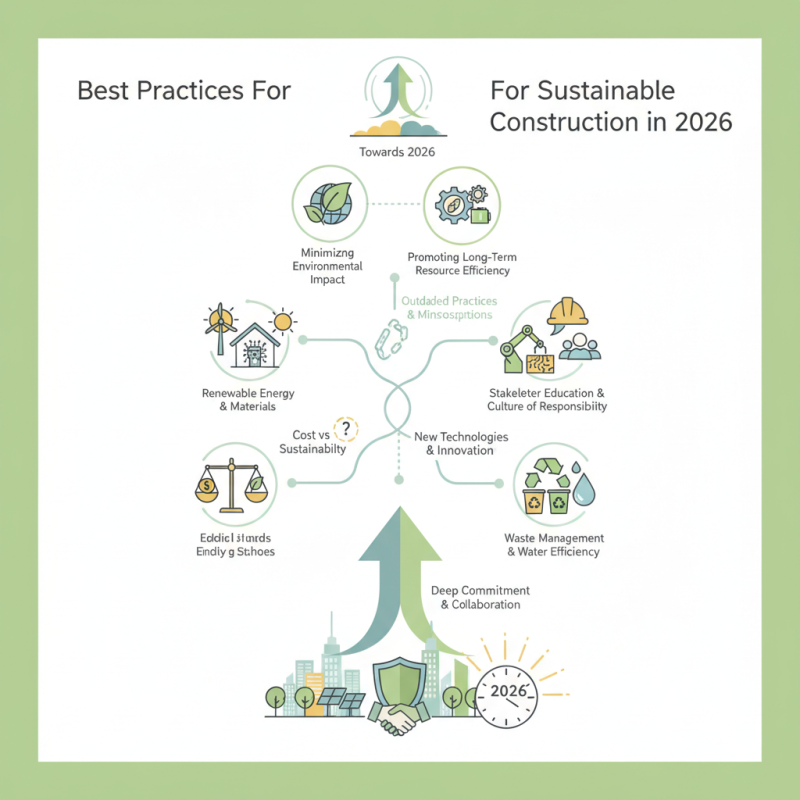
As we move towards 2026, the construction industry faces immense pressure to adopt Best Practices For Sustainable Construction. This transition is essential for minimizing environmental impact and promoting long-term resource efficiency. Innovations are emerging, but challenges remain. Many companies struggle to balance cost and sustainability. This reality often results in half-hearted efforts, which can harm both the planet and their reputation.
Effective sustainable construction requires a deep commitment. Building materials should prioritize renewability and energy efficiency. Outdated practices hinder progress. Industry leaders must actively engage with new technologies and approaches. This engagement encompasses everything from design to waste management. Despite the gains made, the journey toward truly sustainable practices is not without obstacles.
Stakeholder education plays a crucial role in this transformation. Each individual in the construction process needs to understand the importance of sustainability. Yet, misconceptions still exist. They can lead to resistance and slow adoption of better practices. Ultimately, Best Practices For Sustainable Construction are about creating a culture of responsibility, innovation, and transparency. As we approach 2026, the call for genuine change grows louder. Engaging with these principles is not just wise; it is vital for our future.
In 2026, sustainable construction practices are more vital than ever. Reports indicate that buildings are responsible for nearly 40% of global energy-related CO2 emissions. This statistic underscores the urgent need for environmentally friendly methods. Emphasizing renewable materials and energy-efficient designs is essential. Utilizing cross-laminated timber instead of traditional materials can significantly reduce carbon footprints.
The integration of smart technologies is enhancing sustainability. According to a recent study, energy-efficient appliances can save up to 30% on utility costs. However, implementing these technologies often requires substantial upfront investment. Many construction firms face challenges in adapting to these innovations. Only a fraction of projects currently use smart building systems effectively.
Recycling construction waste also plays a critical role in sustainable practices. Approximately 20-30% of construction materials end up as waste. Fostering a culture of recycling could minimize this impact. Yet, awareness and education on waste management remain low among professionals. The construction industry must reflect on its practices to shift towards a more sustainable future.
In recent years, the construction industry has shifted towards more sustainable practices. Innovative materials have emerged, transforming building designs and reducing environmental impact. Research from the International Energy Agency indicates that buildings contribute to nearly 40% of global energy-related CO2 emissions. However, the adoption of eco-friendly materials can significantly lower this figure.
One promising trend is the use of recycled materials. Incorporating recycled steel or glass not only minimizes waste but also reduces the energy required for production. Furthermore, bio-based materials like bamboo and hemp are gaining popularity. A report by the World Green Building Council shows these materials can reduce carbon footprints by up to 30%. Such advancements highlight the potential for change but also raise questions about sourcing and scalability.
Another innovation is insulated concrete forms (ICFs). They provide high insulation values, which can lower heating and cooling needs. Yet, there are challenges in ensuring consistent quality across supply chains. Finding reliable suppliers remains a concern. As we progress towards a more sustainable construction future, we must address these issues while embracing new materials that promise to reshape our built environment.
Energy efficiency is crucial in modern construction. In 2026, integrating energy-efficient strategies can significantly reduce waste and lower costs. Proper insulation is a top priority. Insulating materials prevent energy loss, keeping buildings warm in winter and cool in summer. This is essential for achieving thermal comfort.
Using renewable energy sources is another effective strategy. Solar panels can harness energy from the sun. This not only reduces reliance on non-renewable resources but also cuts energy bills. Wind turbines are another option. They can be installed in suitable environments to generate clean electricity.
However, challenges remain. Some developers may overlook energy efficiency due to higher initial costs. This short-sighted approach can yield higher long-term expenses. Educating stakeholders about the benefits of energy efficiency is critical. Sustainable practices need to be prioritized, not just for compliance but for long-term viability. Reflection on methods and continual improvement are key to achieving true sustainability.
| Strategy | Description | Benefits |
|---|---|---|
| Passive Solar Design | Utilizing natural sunlight to heat and light buildings. | Reduces energy costs and enhances occupant comfort. |
| High-Performance Insulation | Advanced materials that minimize heat loss. | Improves energy efficiency and indoor air quality. |
| Green Roofs | Natural vegetation installed on roofs to improve insulation. | Reduces heat retention and provides stormwater management. |
| Renewable Energy Sources | Integrating solar panels, wind turbines, and other renewables. | Lowers dependence on fossil fuels and decreases utility bills. |
| Smart Building Technologies | Use of IoT devices to monitor and optimize energy use. | Enhances energy efficiency and operational control. |
| Water Conservation Systems | Implementing rainwater harvesting and greywater reuse. | Reduces water consumption and utility costs. |
Waste management is crucial for sustainable construction in 2026. Effective techniques can significantly reduce environmental impact. Proper waste segregation on-site is a fundamental practice. Separate materials like wood, metal, and concrete. This helps recycle more efficiently.
Consider using a digital waste tracking system. It provides insights into waste generation. You can make informed decisions based on data. Engage workers in waste management practices. Training them cultivates awareness and responsibility. Small changes often lead to significant improvements.
One overlooked aspect is the disposal of hazardous materials. Improper handling can lead to contamination. Regular audits of waste disposal processes can help. Adjustments may be necessary to ensure compliance and safety. Monitoring is essential, but nothing beats the commitment to improvement in waste strategies.
Regulatory policies play a crucial role in promoting sustainable construction practices. In 2026, many governments are focusing on stringent building codes aimed at reducing carbon footprints. This trend encourages the use of renewable materials, improving energy efficiency, and minimizing waste. Effective policy frameworks establish clear guidelines for sustainable architecture. Better regulations can lead to innovative construction methods.
However, not all policies are without flaws. Some regulations can be overly complex, leading to confusion among builders and architects. It's essential to review these policies continually for effectiveness. Simple, adaptable rules may better promote sustainability. Furthermore, collaboration between stakeholders can bridge the gap between regulations and construction realities.
Incentives are another vital aspect of regulatory policies. Tax breaks and grants support businesses that prioritize eco-friendly practices. Thoughtfully crafted policies can drive the market toward greener solutions. Yet, the challenge remains in ensuring compliance while fostering innovation. Stakeholders must remain engaged to navigate these obstacles effectively. Adapting regulations in a timely manner can enhance their impact, making sustainable construction achievable for all.
: Proper waste segregation is fundamental. Separate materials like wood, metal, and concrete for better recycling.
A digital waste tracking system provides insights into waste generation. It helps make informed decisions.
Engaging workers increases awareness and responsibility. Training them can lead to significant improvements in waste practices.
Proper handling is crucial to avoid contamination. Regular audits can ensure compliance and safety.
Stringent building codes focus on reducing carbon footprints and encourage the use of renewable materials.
Some regulations may be overly complex. This can confuse builders and architects, hindering sustainable practices.
Continual review helps ensure effectiveness. Simple, adaptable rules may better support sustainable construction methods.
Tax breaks and grants encourage businesses to adopt sustainability. Thoughtful policies can drive greener solutions.
Collaboration between stakeholders is essential. Engaging with regulations can help navigate challenges and foster innovation.
Some policies are overly complex and may confuse builders. Clearer guidelines might yield better results.
The article "Best Practices For Sustainable Construction in 2026" highlights the crucial developments in the realm of eco-conscious building practices. It outlines the significance of adopting innovative materials that minimize environmental impact and foster designs that harmonize with nature. In addition, energy efficiency strategies are emphasized, showcasing modern techniques that reduce consumption and promote sustainability in construction projects.
Furthermore, effective waste management techniques are discussed, ensuring that building sites operate with minimal ecological disruption. Finally, the article underscores the importance of regulatory policies that encourage the adoption of sustainable construction methods, creating a framework that supports builders in pursuing greener practices. Embracing these best practices paves the way for a more sustainable future in construction.
