HYBO Energy HYBO Energy

What Are Sustainable Energy Design Principles for Buyers?

Time:2026-10-08 Author:Aria
0%

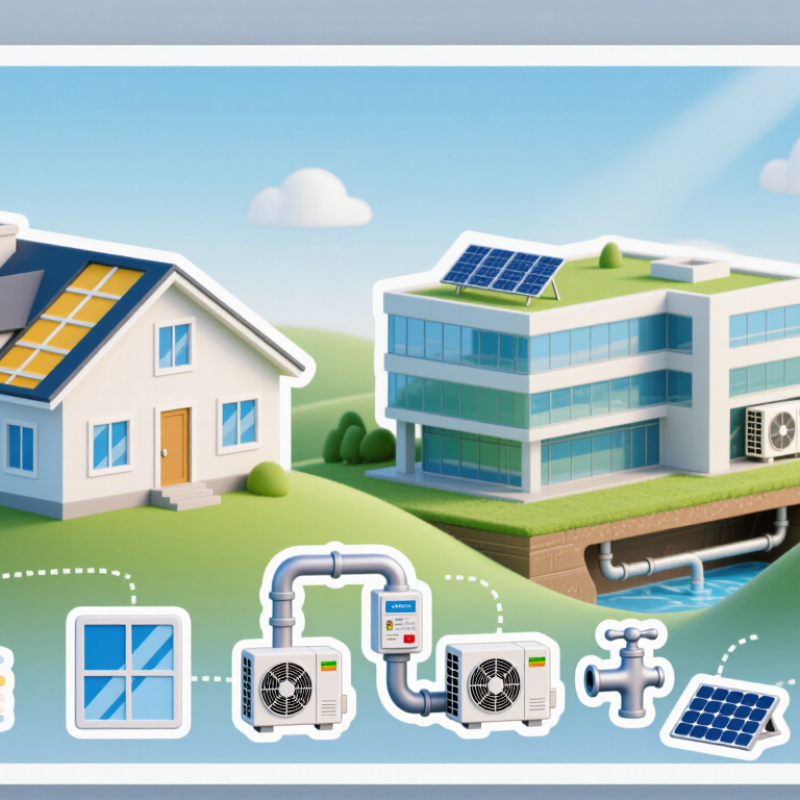
Buying a home, office, or investment property now involves more than price and appearance. Energy design affects comfort, operating costs, resilience, and long-term value. Sustainable Energy Design Principles help buyers examine how a building uses, saves, and sometimes produces energy. They also encourage practical questions before signing a contract. Where does heat escape? Can daylight reduce daytime lighting? Will a heat pump perform well in this climate? What happens during a power outage?

A reliable assessment starts with evidence, not attractive labels. Buyers should request utility records, insulation details, window specifications, equipment ages, and maintenance histories. An independent energy assessor can test air leakage and identify thermal bridges. Site visits matter. A cold floor near a window or a noisy ventilation unit may reveal problems that brochures omit. Solar panels can be useful, but roof condition, shading, battery needs, and local grid rules deserve equal attention. Efficient appliances are helpful, yet poor sealing can waste more energy than expected.

Good design is not always expensive, and expensive design is not always good. That distinction is easy to miss. Buyers should compare expected savings with installation, repair, replacement, and financing costs. They should also consider indoor air quality, water use, material durability, and future climate risks. No building performs perfectly. Even careful plans can fail without proper installation and user maintenance. A thoughtful purchase therefore combines professional advice, verified documents, and honest reflection about daily habits. The best choice may be less dramatic, but more dependable.
What Are Sustainable Energy Design Principles for Buyers?

Define Sustainable Energy: Renewables Supplied 30% of Global Power in 2023

What Are Sustainable Energy Design Principles for Buyers?

In 2023, renewable sources supplied about 30% of global electricity. That figure matters, but it does not mean energy is fully clean. Electricity demand, storage limits, grid access, and construction materials still affect environmental performance. Sustainable energy design begins with accurate measurement. Buyers should examine yearly consumption, peak demand, local weather, and available roof or ground space before choosing equipment. A system that looks efficient may perform poorly under shade, dust, extreme heat, or weak grid connections.

Practical experience shows that good design combines several principles. Reduce demand through insulation, efficient lighting, passive cooling, and smart controls. Then match renewable generation with actual usage patterns. Battery storage can support evening demand, but its size should reflect realistic operating data, not optimistic forecasts. Ask for clear maintenance plans, expected service life, recycling options, safety testing, and independent performance evidence. Small details matter. Cable routes, inverter placement, and water exposure can influence long-term reliability. Buyers should also compare the system’s full life-cycle impact, including manufacturing and replacement parts.

Tips: Request hourly energy estimates, not only annual totals. Check the assumptions behind every savings claim. Leave room for future upgrades. Do not ignore repair access. A cheaper design may create higher costs later. I have seen projects overvalue maximum output and undervalue simple efficiency measures. That mistake is common. Sustainable design is not perfect; it improves through careful monitoring, honest data, and periodic review.

Quantify Building Impact: Buildings Used 34% of Global Energy in 2022

What Are Sustainable Energy Design Principles for Buyers?

Quantify Building Impact: Buildings Used 34% of Global Energy in 2022

Buildings consumed 34% of global energy demand in 2022, according to the 2023 Global Status Report for Buildings and Construction from UNEP and the Global Alliance for Buildings and Construction. That figure changes how buyers should assess a property. Floor area alone is not enough. Request annual electricity, heating, cooling, and water-use data. Compare energy use intensity by square meter, climate, occupancy, and operating hours.

Look beyond the sales brochure. The International Energy Agency reports that buildings remain responsible for about 30% of global final energy consumption. Buyers should inspect insulation, glazing, ventilation controls, lighting systems, and equipment age. A building with rooftop solar may still waste energy through poor air sealing. Small details matter. Check utility bills across several seasons, not one impressive month.

Carbon also hides in materials. Ask for environmental product declarations, recycled-content evidence, and expected replacement cycles. Concrete, steel, windows, and mechanical equipment can create substantial upfront emissions before occupancy begins. In practice, a detailed data request often reveals gaps. That is useful, not embarrassing. A spreadsheet can still mislead when occupancy changes or meters are inaccurate. Buyers should arrange independent energy audits, verify measurement methods, and record assumptions. Sustainable design is therefore a purchasing discipline: measure actual performance, test promised savings, and leave room to improve.

What Are Sustainable Energy Design Principles for Buyers? - Quantify Building Impact: Buildings Used 34% of Global Energy in 2022

Sustainable Design Principle Relevant Metric Verified Data or Benchmark What Buyers Should Look For Source
Measure whole-building energy performance Share of global energy use Buildings accounted for approximately 34% of global energy demand in 2022. Request annual energy-use data, energy-use intensity, utility records, and an operational energy baseline. United Nations Environment Programme, Global Status Report for Buildings and Construction 2023
Prioritize a high-performance building envelope Heating and cooling demand Insulation, air sealing, high-performance windows, shading, and passive solar design reduce unwanted heat transfer. Check insulation levels, window specifications, air-leakage testing, solar-control features, and thermal-bridge details. International Energy Agency, Buildings; International Energy Conservation Code guidance
Use efficient heating and cooling systems Coefficient of performance A typical modern electric heat pump can deliver about 3 to 5 units of heat for each unit of electricity consumed, depending on conditions and system design. Compare seasonal efficiency ratings, cold-weather performance, refrigerant information, controls, and maintenance requirements. International Energy Agency, The Future of Heat Pumps
Install efficient lighting and controls Lighting electricity consumption LED lighting uses at least 75% less energy and can last up to 25 times longer than incandescent lighting. Specify LED fixtures, occupancy sensors, daylight dimming, scheduling controls, and measured lighting power density. U.S. Department of Energy, LED Lighting
Combine efficiency with renewable electricity On-site renewable generation Solar photovoltaic output varies by location, orientation, shading, system size, and local solar resource; production should be modeled using site-specific data. Review a documented solar feasibility study, annual generation estimate, roof condition, grid connection, and battery assumptions. International Renewable Energy Agency, Renewable Power Generation Costs
Reduce plug and equipment loads Operational electricity demand Equipment efficiency, automatic shutdown, smart power management, and efficient appliances reduce avoidable standby and operating loads. Ask for equipment schedules, efficiency labels, standby-load controls, and submetering for major end uses. International Energy Agency, Energy Efficiency 2023
Design for efficient ventilation and indoor air quality Ventilation energy and air quality Heat-recovery ventilation can transfer heat between outgoing and incoming air, reducing ventilation-related heating and cooling loads. Verify ventilation rates, filtration, heat-recovery effectiveness, commissioning records, and indoor-air-quality monitoring. ASHRAE Standard 62.1; European Standard EN 16798-3
Plan for monitoring and continuous commissioning Performance gap Actual building energy use can differ from design estimates because of occupancy, controls, maintenance, weather, and operating practices. Require submeters, automated reporting, commissioning, fault detection, performance targets, and post-occupancy reviews. International Energy Agency, Building Energy Performance and Operations guidance
Evaluate embodied carbon as well as operating energy Life-cycle greenhouse-gas emissions Building materials and construction contribute to emissions before a building begins operation; life-cycle assessment captures these impacts. Request environmental product declarations, material quantities, reuse scenarios, and a whole-life carbon assessment. International Energy Agency, Building Materials and the Net-Zero Transition; EN 15978

Note: Actual performance varies by climate, occupancy, building type, operating schedule, system design, and maintenance quality. Benchmarks should be verified with project-specific calculations and measured data.

Prioritize Efficiency: Passive Design Reduces Energy Loads Before Renewables

What Are Sustainable Energy Design Principles for Buyers?

Prioritize Efficiency: Passive Design Reduces Energy Loads Before Renewables

A sustainable home should need less energy before adding solar panels or advanced equipment. Passive design manages heat, light, and airflow through the building itself. During home assessments, I look for window placement, shading, insulation depth, and visible air leaks. These details often matter more than impressive technology.

South-facing windows can capture winter sunlight in suitable climates. Deep roof overhangs can block harsh summer rays. Cross-ventilation may cool bedrooms when evening air is comfortable. A tightly sealed envelope also prevents conditioned air from escaping. Check window frames, door thresholds, and attic access points carefully. Small gaps become expensive over time.

Material choices deserve equal attention. Durable finishes reduce replacement waste, while local materials can lower transport impacts. Yet “natural” does not always mean sustainable. Ask for verified performance data and realistic maintenance requirements. An efficient design can still fail if occupants cannot operate it easily. Complex controls confuse people. I have seen residents open windows while mechanical cooling runs, wasting energy. Good design needs clear instructions, not just technical ambition.

Renewable systems work better after demand falls. A smaller heating system may cost less and operate more steadily. Energy modeling can test these choices before construction begins. Still, models have limits. Weather changes, poor installation, and real household habits can weaken predicted results. Buyers should request independent inspections, tested specifications, and evidence from comparable buildings. Different climates require different solutions.

Compare Clean Supply: Solar PV Reached 1.42 TW of Global Capacity in 2023

Sustainable energy design begins with a buyer’s real operating conditions, not a glossy capacity figure. Solar PV reached 1.42 TW of global capacity in 2023, showing rapid market expansion and growing technical confidence. Yet installed capacity is not the same as electricity delivered. Roof direction, shading, temperature, maintenance, and local sunlight still shape performance.

A careful buyer should request an hourly energy assessment before selecting equipment. The design should match panels with efficient inverters, safe wiring, and suitable storage when evening demand is high. Battery sizing deserves restraint. Oversizing can increase cost and create unused capacity. Undersizing may leave important loads exposed during outages. Small details matter. Check roof strength, drainage paths, fire access, and future repair needs. Ask how components can be replaced or recycled after their useful life.

Clean supply also depends on the wider grid. A solar system may export surplus power at noon, then draw electricity after sunset. Buyers should compare annual output, seasonal variation, degradation assumptions, and grid connection rules. Independent engineers can verify these estimates and review warranties without relying on sales language. The uncomfortable point is that no design is perfectly sustainable. Manufacturing uses materials, land, and energy. A lower-impact choice may still involve compromises. That weakness should be measured openly, not hidden behind impressive numbers.

Verify Buyer Value: Measure Life-Cycle Carbon, Costs, and ISO 50001 Performance

What Are Sustainable Energy Design Principles for Buyers?

Verify Buyer Value: Measure Life-Cycle Carbon, Costs, and ISO 50001 Performance

Sustainable energy design should support clear buying decisions, not attractive promises. Buyers need evidence from construction, operation, maintenance, and eventual replacement. I review energy models, equipment schedules, and meter plans before approving a project. A low purchase price can hide higher cooling demand, repairs, or disposal costs. The cheapest option is not always the responsible one.

Life-cycle carbon should include materials, transport, installation, energy use, and end-of-life treatment. Ask suppliers for assumptions behind every figure. For example, compare annual electricity use with expected operating hours and local energy data. Then calculate total ownership cost over the asset’s useful life. Include maintenance visits, component failures, downtime, and training. Small details matter.

ISO 50001 alignment can strengthen this review. Buyers should look for an energy policy, defined responsibilities, energy performance indicators, and regular improvement records. Request evidence from similar projects, not only forecasts. Check whether meters can separate lighting, heating, cooling, and production loads. Real data exposes weak assumptions.

Our first carbon estimate was too optimistic. We had overlooked standby energy and replacement parts. That mistake changed the procurement checklist. Sustainable design still involves uncertainty. However, transparent assumptions make uncertainty manageable. Buyers should also schedule performance reviews after occupancy, because a well-designed system can underperform when users receive poor guidance.

What Are Sustainable Energy Design Principles for Buyers?

Verify buyer value by comparing life-cycle carbon, energy costs, and ISO 50001 performance targets.

The screening scenario compares a conventional design, an efficient-envelope retrofit, and a deep-retrofit design supported by an ISO 50001 energy-management system. Life-cycle carbon includes embodied carbon plus 30 years of operational carbon, using 0.40 kg CO₂e/kWh. Energy cost assumes 30 years and an electricity price of US$0.60/kWh. ISO 50001 values are performance-improvement targets, not requirements defined by the standard. Buyers should replace these assumptions with verified project data, measured energy baselines, and local carbon factors.

FAQS

Why should buyers measure energy use before choosing renewable equipment?

Measure yearly use, peak demand, weather, and available roof or ground space. An impressive system may perform poorly under shade or dust. Real data matters more than optimistic forecasts.

How can buildings reduce energy demand before adding renewable power?

Improve insulation, air sealing, lighting, passive cooling, and smart controls. Check windows and ventilation settings. Less demand can reduce system size and long-term costs.

What building information should buyers request?

Request electricity, heating, cooling, and water-use records across several seasons. Compare energy use per square meter, climate, occupancy, and operating hours. One attractive month proves very little.

Does rooftop solar guarantee low environmental impact?

No. Solar capacity reached about 1.42 terawatts globally in 2023, but installed capacity is not delivered electricity. Direction, shading, heat, maintenance, and grid access affect actual output.

How should buyers evaluate battery storage?

Match storage with hourly demand and realistic evening use. Oversized batteries may add cost and unused capacity. Undersized systems may leave important loads unsupported. Battery sizing is not an exact science.

What technical details can affect long-term system reliability?

Inspect cable routes, inverter placement, drainage, roof strength, fire access, and water exposure. Ask about repair access and replacement procedures. Small details become expensive later.

What questions should buyers ask about materials and future disposal?

Request material impact records, recycled-content evidence, expected replacement cycles, and recycling options. Concrete, steel, windows, and equipment create emissions before occupancy. The full life cycle deserves attention.

How can buyers test promised savings?

Request hourly energy estimates and review every assumption behind savings claims. Use an independent energy audit when possible. A spreadsheet can mislead if meters are inaccurate or occupancy changes.

Is sustainable energy design ever perfect?

No design is perfectly sustainable. Manufacturing uses materials, land, and energy, even for cleaner technologies. Monitor performance, admit weaknesses, and review the system periodically. I may still miss something.

Conclusion

Sustainable Energy Design Principles help buyers evaluate buildings and energy systems through measurable environmental, financial, and operational outcomes. The approach begins by recognizing the growing role of renewable energy, which supplied 30% of global power in 2023, while also addressing the significant impact of buildings, responsible for 34% of global energy use in 2022. Buyers should first prioritize passive design strategies—such as proper orientation, insulation, daylighting, shading, and natural ventilation—to reduce energy demand before adding renewable technologies.

After efficiency improvements, buyers can compare clean energy options according to reliability, lifecycle emissions, cost, maintenance, and long-term performance. Solar photovoltaic capacity reached 1.42 TW globally in 2023, demonstrating its expanding role in clean power supply. Finally, informed purchasing decisions should verify value through lifecycle carbon analysis, total cost assessments, energy monitoring, and performance frameworks such as ISO 50001. This ensures that sustainability claims translate into durable, efficient, and financially responsible results.

Aria

Aria

Aria is a dedicated marketing professional with a deep passion for innovative strategies and a keen understanding of our company's product offerings. With a wealth of experience in the industry, Aria excels at crafting engaging content that highlights the unique features and benefits of our......