HYBO Energy
As the world confronts climate change, the emphasis on sustainable energy projects is becoming increasingly crucial. A recent report from the International Energy Agency (IEA) indicates that investment in renewable energy must exceed $4 trillion annually by 2030 to meet global sustainability goals. However, many projects fail due to inadequate planning and foresight. This raises the question: How To Plan Sustainable Energy Projects effectively?
Understanding the local environment and community needs is essential for project success. Poorly assessed site conditions can lead to costly delays and failures. According to the World Bank, 55% of energy projects do not meet their projected timelines. Additionally, involving stakeholders from the outset fosters better cooperation and reduces conflicts. Each project has unique challenges that require tailored solutions.
Evaluating risks associated with technological changes and funding models is also critical. The latest reports suggest that over 70% of renewable energy projects face funding issues. Reports of mismanaged finances serve as a cautionary tale for future initiatives. Thus, successfully planning sustainable energy projects demands comprehensive strategies and diligent execution. This approach will enable stakeholders to achieve both economic and environmental goals.
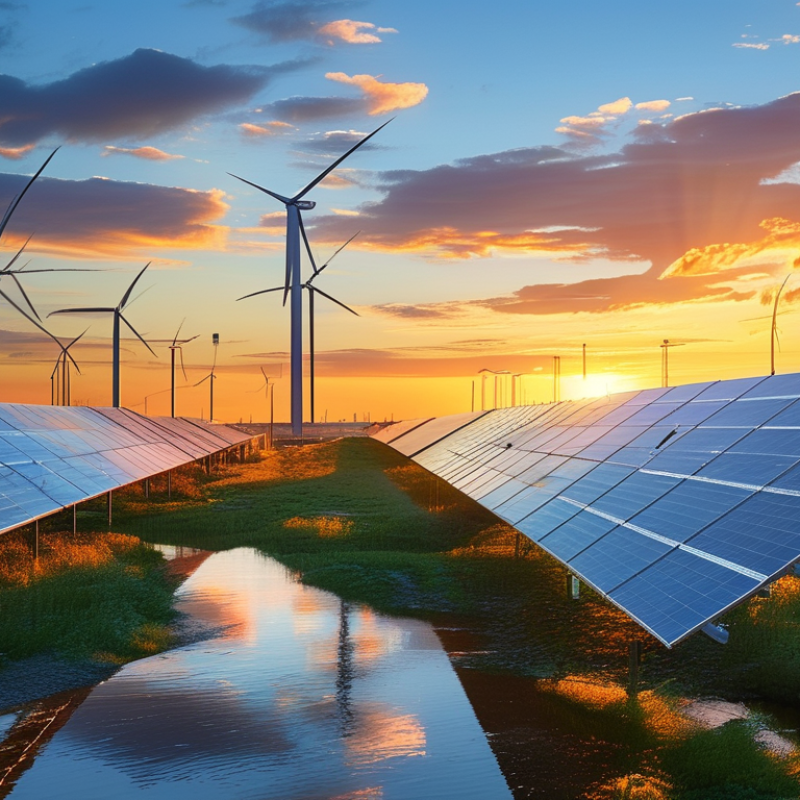
Planning sustainable energy projects requires a deep understanding of foundational principles. For instance, integrating renewable resources can significantly reduce greenhouse gas emissions. According to a report by the International Renewable Energy Agency (IRENA), wind and solar energy could collectively provide over 80% of the world's power by 2050 if planned effectively. This opens a dialogue about the need for local resources and technologies tailored to community needs.
One critical aspect of project planning involves stakeholder engagement. Engaging with the community can amplify project acceptance. A study from the World Resources Institute indicates that projects with strong community backing are 50% more likely to succeed. However, it’s crucial to acknowledge potential pushback. Without addressing concerns, projects may face delays or cancellations. Listening to local voices can uncover valuable insights that optimize project design.
Additionally, the importance of financial frameworks cannot be overstated. A diverse funding strategy is essential for mitigating risks. A recent analysis from the Global Commission on the Economy and Climate suggests that every dollar invested in sustainable infrastructure can generate four times that in economic returns. Balancing costs with sustainability goals can be challenging, but it's vital for long-term success. Each project must reflect an adaptability that considers evolving technologies and shifting regulatory environments.
Assessing the feasibility of renewable energy technologies is crucial for successful project planning. According to a report by the International Renewable Energy Agency (IRENA), renewable energy share in global power generation reached 29% in 2020, highlighting its increasing significance. However, the transition varies significantly across regions and technologies. For instance, solar and wind power have shown remarkable cost reductions. The global weighted-average cost of electricity from solar PV has fallen by 89% since 2010, indicating strong market potential.
To accurately assess feasibility, developers must evaluate site-specific conditions. Local climate, grid connectivity, and resource availability play significant roles. A 2021 study revealed that more than 60% of wind projects face delays due to inadequate site assessments. This gap reflects the need for rigorous feasibility studies that integrate technical, economic, and environmental considerations. Ignoring these factors could lead to project failures and wasted investments.
Engaging local stakeholders enhances project viability. Community support can significantly reduce regulatory hurdles. However, sometimes projects are met with resistance. Poor communication or lack of understanding of local needs can hinder progress. A report by the World Bank emphasized that addressing social dimensions is as critical as technological assessments. Balancing technology and community engagement remains a challenge and requires thoughtful strategy.
Evaluating environmental impacts and sustainability metrics is crucial in planning sustainable energy projects. Accurate assessments reveal potential ecological effects. Data from the International Energy Agency indicates that renewable energy sources could reduce greenhouse gas emissions by 70% by 2050. However, factors such as land use and habitat disruption require careful consideration.
When assessing a project's environmental footprint, it's essential to prioritize stakeholder engagement. Engaging local communities ensures that their concerns are addressed. Collaboration with environmental scientists can help identify the best practices in minimizing negative impacts. Many projects overlook the importance of biodiversity metrics. This can lead to long-term ecological imbalances.
Clear metrics for sustainability should include energy return on investment (EROI) and lifecycle analysis (LCA). Studies show that projects with a well-defined EROI above 5:1 are more likely to succeed. Regular monitoring and adaptive management strategies can help align project goals with evolving environmental conditions. A project’s true sustainability rests on ongoing evaluation and responsiveness. Each project should implement feedback loops to adjust operational practices as needed. This approach fosters continuous improvement, ensuring the project's longevity and environmental harmony.
| Project Name | Energy Source | Location | Estimated Capacity (MW) | Estimated CO2 Reduction (tons/year) | Sustainability Score (1-10) |
|---|---|---|---|---|---|
| Solar Initiative 1 | Solar | California, USA | 50 | 25000 | 9 |
| Wind Farm 3 | Wind | Texas, USA | 150 | 50000 | 8 |
| Biomass Project A | Biomass | Florida, USA | 30 | 12000 | 7 |
| Hydropower Plant B | Hydropower | Washington, USA | 200 | 75000 | 9 |
| Geothermal Project C | Geothermal | Nevada, USA | 40 | 15000 | 8 |
Engaging stakeholders and the community is crucial in planning sustainable energy projects. A recent report by the International Renewable Energy Agency (IRENA) highlights that projects with strong community involvement are 30% more likely to succeed. Understanding community needs and engaging them early builds trust. This trust leads to fewer objections and smoother approvals.
Communities often have unique insights. Local knowledge can identify potential challenges that external experts might overlook. For example, a wind energy project in rural Denmark thrived after incorporating feedback from residents about local wildlife. This not only mitigated environmental concerns but also enhanced community support.
Effective engagement involves transparency and ongoing dialogue. Regular meetings and updates keep stakeholders informed. However, projects can still encounter resistance. A project in the UK faced criticism for lack of communication, resulting in significant delays. Reflecting on such experiences can offer valuable lessons. Engaging the community is not just about information sharing; it is about building relationships and fostering collaboration for a common goal.
Securing funding for sustainable energy projects is a critical aspect of their success. According to the International Renewable Energy Agency (IRENA), global investment in renewable energy reached approximately $300 billion in 2020. Yet, many projects still struggle to secure adequate financial backing. This disparity often arises from a lack of robust business cases that demonstrate long-term financial viability. Project leaders need to present clear, data-driven models to attract investors.
Collaborating with local governments can enhance funding prospects. Many jurisdictions offer grants or incentives to support renewable initiatives. A report by the World Bank indicates that countries providing supportive policies and regulatory frameworks see a 30% increase in project financing. However, understanding regional financial landscapes remains a challenge for project developers. Misjudgment of market conditions may lead to underestimating required capital.
Engaging stakeholders transparently is essential. Building trust can lead to more successful funding outcomes. A survey conducted by Deloitte noted that effective stakeholder engagement increases project support by up to 50%. Yet, many projects overlook this crucial step, missing opportunities for financial assistance. This highlights the need for strategies that prioritize involvement and communication with potential funders.
: Community involvement increases success rates by 30%. It builds trust and leads to smoother approvals.
Local insights can identify issues missed by experts. They help address concerns like environmental impact effectively.
Transparency fosters ongoing dialogue. Regular updates prevent misunderstandings and minimize resistance from the community.
Lack of communication can lead to delays. Resistance may grow if stakeholders feel uninformed or neglected.
Many projects struggle due to inadequate financial backing. Well-developed business cases are essential for attracting investment.
Collaborating with local governments can improve funding prospects. Grants or incentives may be available to support initiatives.
Understanding regional financial landscapes is crucial. Incorrect assessments can lead to insufficient capital estimates.
Engaging stakeholders can increase support by up to 50%. Many projects overlook this, missing financial assistance opportunities.
Reflecting on negative feedback provides valuable insights. It emphasizes the need for better communication and relationship building.
No, effective engagement requires building relationships. Information sharing alone does not lead to collaboration or common goals.
In order to effectively address the question of "How To Plan Sustainable Energy Projects," it is essential to start by understanding the fundamentals of sustainable energy project planning. This involves a thorough assessment of the feasibility of various renewable energy technologies, ensuring that the chosen solutions are viable for implementation. Additionally, evaluating environmental impacts and sustainability metrics is crucial for determining the potential benefits and drawbacks of each project.
Engaging stakeholders and the community plays a significant role in successful project development, as their input can shape the project's direction and acceptance. Lastly, securing funding and ensuring financial viability are key to making sustainable initiatives a reality. A comprehensive approach that combines these elements can lead to the successful planning and execution of sustainable energy projects that meet both economic and environmental goals.
