 HYBO Energy
HYBO Energy
HYBO Energy
In recent years, renewable energy has emerged as a cornerstone of sustainable development in China. As the nation accelerates its transition to cleaner sources, the importance of effective maintenance practices cannot be overstated. Dr. Liu Wei, a leading expert in renewable energy systems, emphasizes, “Maintenance is not just about fixing problems; it ensures long-term performance and reliability of renewable energy assets.” This sentiment highlights the critical nature of Renewable Energy Maintenance Best Practices.
Implementing these practices goes beyond conventional maintenance. It requires systematic approaches tailored to unique energy systems. Regular inspections and timely repairs are essential components. Adopting advanced monitoring technologies can enhance system performance and minimize downtime. However, even with the best strategies, challenges remain. For instance, extreme weather can lead to unforeseen damage, necessitating adaptability in maintenance plans.
The evolving landscape of renewable energy in China demands continuous learning and innovation. Organizations must not only adhere to best practices but also reflect on their effectiveness. Regular training for personnel and updated maintenance protocols can significantly increase overall efficiency and reliability. A commitment to refining these processes is vital, ensuring that China remains at the forefront of renewable energy advances.
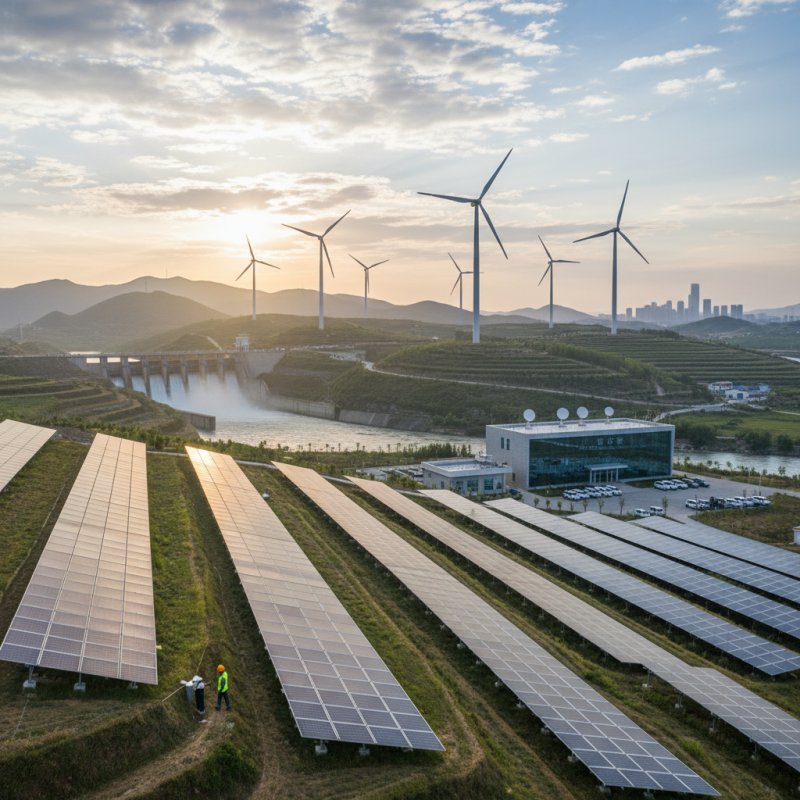
Maintenance plays a crucial role in the efficiency of renewable energy systems. Proper upkeep ensures that solar panels, wind turbines, and hydroelectric plants operate at peak performance. Regular inspections can identify issues before they become major problems. For example, loose connections in wind turbines can lead to significant energy losses. The frequency of maintenance tasks can depend on environmental factors, such as coastal corrosion for offshore turbines and dust accumulation on solar panels.
In China, the commitment to renewable energy is growing, but maintenance practices often lack uniformity. Some facilities do not follow systematic schedules, leading to inconsistent performance. This inconsistency can jeopardize the sustainability of energy output. Data monitoring is essential; it helps track performance metrics and highlights trends that require intervention. Sustainable practices must evolve with technology, and adopting better methodologies can lead to improved reliability.
Training staff is another critical aspect often overlooked. Skilled technicians can quickly troubleshoot issues, yet many operate without extensive knowledge. Investing in regular training can enhance their problem-solving skills. The diversity of renewable energy systems requires adaptable approaches to maintenance. Collaboration among industry professionals can also foster innovative solutions, ensuring the long-term success of renewable energy in China.
: Regular inspections improve efficiency in solar panels and wind turbines, increasing energy output by up to 25%.
Dust and debris can lead to a significant drop in energy absorption. Clean panels can enhance efficiency by 20%.
Blade inspections for cracks and erosion are crucial to prevent failures and manage downtime.
Skilled technicians can identify hidden issues, enhancing reliability and performance. Training must be ongoing to stay current.
Real-time data from sensors allows informed decisions, optimizing performance. Initial costs are high but can lead to efficiency gains.
It forecasts equipment failures and allows for proactive repairs, reducing downtime and improving management strategies.
Inadequate training can lead to misinterpretation of data, affecting decision-making and overall equipment health.
IoT devices gather real-time data about equipment health, giving a clearer picture of performance but requires proper facilities.
Establishing a culture of continuous improvement helps address past challenges and drives better future practices.
Monitoring technology provides data that aids in proactive maintenance, which is often more efficient than responding to failures.
The article "Top 10 Renewable Energy Maintenance Best Practices in China" highlights the critical role of maintenance in ensuring the efficiency and longevity of renewable energy systems. It emphasizes routine inspection techniques for solar panels and wind turbines, which are essential for identifying issues early and preventing costly repairs. Additionally, the piece outlines effective strategies for managing the lifespan of renewable energy equipment, underscoring the importance of predictive maintenance technologies to anticipate failures before they occur.
Moreover, the article stresses the need for training and developing skilled personnel to carry out these maintenance tasks effectively. By focusing on these Renewable Energy Maintenance Best Practices, China can enhance its energy sector's reliability, optimize the performance of renewable assets, and contribute to a more sustainable energy future.
