HYBO Energy HYBO Energy

2026 Top Renewable Energy Solutions for Rural Development?

Time:2026-08-29 Author:Sienna
0%

In recent years, rural areas have faced significant challenges in accessing reliable energy sources. The need for sustainable solutions is pressing. Renewable Energy for Rural Development is emerging as a vital answer. This approach not only provides clean energy but also empowers communities. It supports economic growth through job creation and enhances local resilience.

Emerging technologies in renewable energy offer promising solutions. Solar panels, wind turbines, and biogas systems are gaining traction. These innovations can lead to energy independence for rural regions. However, they require careful implementation and consideration of local contexts. Additionally, there are hurdles to overcome, such as funding and infrastructure.

Fostering partnerships between stakeholders is essential. Local governments, NGOs, and private sectors must collaborate. Effective training programs are also necessary to build expertise. Continuous assessment and adaptation will ensure these solutions remain relevant. Rural development through renewable energy is a complex journey, yet the potential benefits are immense.
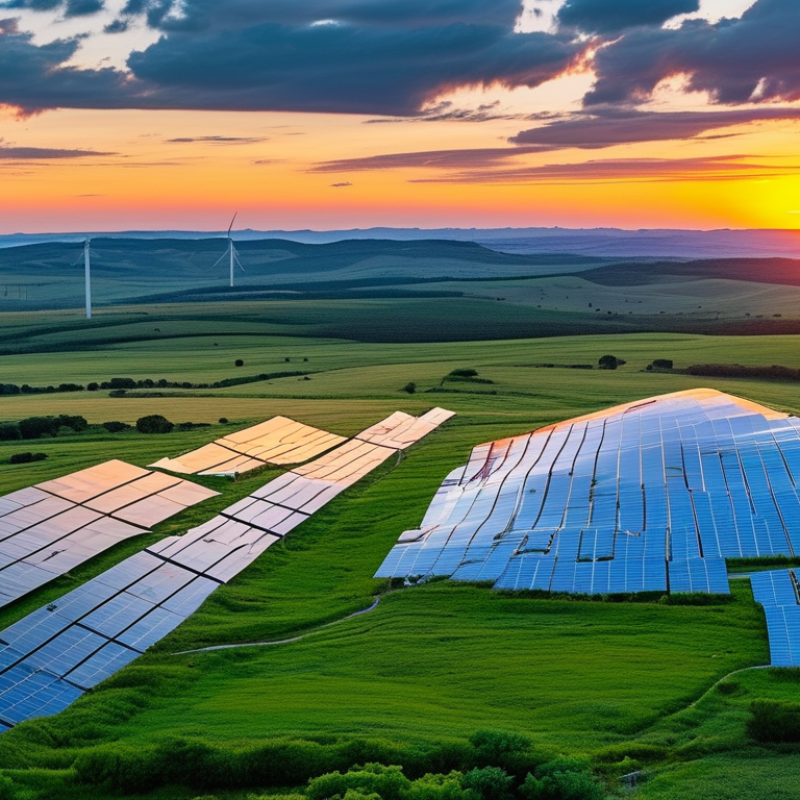
2026 Top Renewable Energy Solutions for Rural Development?

Overview of Renewable Energy Solutions for Rural Development

Rural development hinges on sustainable energy solutions. Renewable energy sources can significantly impact communities often overlooked. Solar panels, wind turbines, and biomass energy provide accessible and eco-friendly options. Local farmers can harness solar energy to power equipment. This reduces reliance on fossil fuels and cuts costs.

Investing in renewable solutions is not without challenges. Implementing new technologies requires training and support. Communities may struggle with initial costs. Yet, the long-term benefits often outweigh these obstacles. Increased energy independence fosters economic resilience. Enhanced access to electricity improves healthcare and education.

Tips: Engage local stakeholders in discussions about their needs. Identify potential resources available within the community. Be open to feedback; adaptability is crucial for success. Analyze previous projects for insights; learning from others can pave the way for innovation.

2026 Top Renewable Energy Solutions for Rural Development

Renewable Energy Solution Description Advantages Challenges Estimated Cost (USD)
Solar Power Utilizes sunlight to generate electricity or heat Abundant, low operating costs, scalable Initial installation cost, weather dependent $15,000 - $30,000 for a small system
Wind Energy Harnesses wind to produce electricity through turbines Sustainable, can generate large amounts of power Location specific, impact on wildlife $30,000 - $50,000 for a small turbine
Biogas Produced from organic waste through anaerobic digestion Reduces waste, renewable, can provide fertilizer Requires consistent supply of waste $10,000 - $20,000 for a small system
Hydropower Utilizes water flow to generate electricity Reliable, low emissions, and high efficiency Environmental impact, high initial cost $50,000 - $100,000 for small installations
Geothermal Energy Uses heat from within the Earth to generate power Sustainable, low emissions, efficient Location limited, potential for land use conflicts $20,000 - $40,000 per installation

Key Renewable Energy Technologies for Rural Areas

Rural areas often face energy challenges, impacting their development. In 2026, several renewable energy solutions can foster growth. Solar panels are becoming increasingly accessible. They provide a clean energy source, especially in sunny regions. Many rural communities have started small-scale solar projects. These projects reduce electricity costs and create jobs.

Wind energy is another viable option. Wind turbines can generate significant power, even in remote locations. Installing turbines requires an initial investment but pays off in the long run. However, not every area is suitable for wind farms. The local landscape and climate must be considered. Some communities may need to explore hybrid systems.

Biogas technology can transform waste into energy. Farms can use animal manure to produce biogas. This process manages waste while generating electricity and heat. It also reduces greenhouse gas emissions. However, biogas systems require proper management and investment. Local training programs can help communities operate and maintain these systems effectively. Some may need to reassess their readiness for these technologies before committing.

Benefits of Implementing Renewable Energy in Rural Communities

Implementing renewable energy solutions in rural communities offers numerous benefits. According to the International Renewable Energy Agency (IRENA), off-grid solar and wind energy can significantly reduce energy costs by up to 50%. This reduction boosts local economies, allowing residents to invest more in their businesses and families. As rural areas often face energy access issues, renewables can play a pivotal role in increasing reliability.

Transitioning to renewable energy also promotes job creation. The U.S. Department of Energy reported that the renewable energy sector has the potential to create 1.4 million jobs by 2030. These jobs can range from installation technicians to maintenance personnel. Providing training for the local workforce is crucial. However, it's essential to ensure that the skill gap is addressed, so workers receive appropriate education and training.

Communities can benefit from enhanced energy independence. This shift reduces reliance on traditional energy sources, such as fossil fuels, which are often subject to volatile market prices. Residents can create microgrids, ensuring resilience against power outages. It's vital to collaborate with local governments and the private sector for successful implementation, although challenges in coordination and financing may arise.

Challenges and Barriers to Adopting Renewable Energy Solutions

Adopting renewable energy solutions in rural areas faces several challenges. The initial costs can be high, making investments difficult for small communities. Many rural areas lack access to adequate financing options. Even when funding is available, bureaucracy can slow down the adoption process. Local governments may struggle to navigate the complexities of renewable energy policies.

Infrastructure is another significant barrier. In many rural regions, the existing energy grid may not support new renewable technologies. This limitation can hinder the implementation of solar or wind power systems. Additionally, a lack of technical expertise makes maintenance and operation more challenging. Communities often rely on external support, which may not be consistently available.

Public awareness also plays a vital role in adoption rates. Many residents may not fully understand the benefits or workings of renewable energy. Misconceptions and doubts can lead to resistance. Building trust within the community takes time and continuous effort. Engaging residents through education can foster acceptance and promote collaboration.

Case Studies: Successful Rural Renewable Energy Projects in 2026

In 2026, many rural areas have adopted innovative renewable energy solutions. One notable project in a small community involved installing solar panels on local schools. This initiative not only powered the buildings but also educated children about renewable energy. Local farmers used the extra electricity for irrigation, significantly boosting crop yields.

Another successful example is a wind farm developed near a remote village. Initially met with skepticism, the project proved vital for local jobs. Residents participated in its construction and maintenance, fostering a sense of ownership. However, the project faced challenges, such as noise complaints and disruption to wildlife. Adapting to these concerns demonstrated the community's resilience and commitment to sustainable practices.

These case studies highlight the potential of renewable energy in rural settings. While achievements are impressive, ongoing challenges remind stakeholders to remain vigilant. Continuous assessment can enhance these projects’ effectiveness, ensuring they truly benefit local populations.

FAQS

: What are the benefits of renewable energy in rural communities?

: Renewable energy reduces costs by up to 50%, boosting local economies and allowing more investments in families and businesses.

How does renewable energy promote job creation?

The renewable energy sector could create 1.4 million jobs by 2030, including installation and maintenance roles.

Why is training important for the local workforce?

Training ensures residents have the necessary skills for new jobs, but addressing the skill gap is crucial.

How does renewable energy increase energy independence?

It reduces reliance on traditional energy sources, enabling communities to create microgrids for power resilience.

What are some challenges in adopting renewable energy?

High initial costs and limited financing options can hinder investment in renewable technologies in rural areas.

Why is infrastructure a barrier to renewable energy?

Existing energy grids may not support new renewable technologies, complicating solar or wind power implementation.

How does public awareness affect renewable energy adoption?

Many residents lack understanding, leading to misconceptions that can cause resistance to renewable projects.

What role does trust play in community acceptance of renewable energy?

Building trust takes time; ongoing education and engagement are vital to foster collaboration and acceptance.

What are the bureaucratic challenges faced by local governments?

Local governments often struggle to navigate complex renewable energy policies, slowing down the adoption process.

How can communities address the lack of technical expertise?

Relying on external support is common, but consistent availability of this support is not always guaranteed.

Conclusion

The article "2026 Top Renewable Energy Solutions for Rural Development" explores various strategies and technologies that can enhance sustainable growth in rural areas. It provides an overview of renewable energy solutions tailored for rural development, emphasizing key technologies such as solar, wind, and biomass. By implementing these renewable energy systems, rural communities can experience significant benefits, including reduced energy costs, improved access to electricity, and enhanced environmental sustainability.

However, the article also addresses the challenges and barriers that hinder the adoption of renewable energy solutions, such as limited funding and lack of technical expertise. To illustrate the potential of renewable energy for rural development, several case studies are presented, showcasing successful projects from 2026 that have transformed local energy landscapes. These examples highlight the feasibility and positive impact of renewable energy initiatives in fostering economic growth and resilience in rural communities.

Sienna

Sienna

Sienna is a skilled marketing professional with a deep expertise in our company’s core products and services. With a passion for innovation and detail, she plays a pivotal role in crafting insightful blog posts that not only highlight the unique features of our offerings but also provide valuable......