HYBO Energy HYBO Energy

2026 Top Renewable Energy Trends Shaping Future Cities?

Time:2026-05-01 Author:Oliver
0%

As cities continue to evolve, they face pressing challenges. Climate change and rapid urbanization demand urgent solutions. Renewable Energy Trends For Future Cities become vital in this context. Innovative technologies and sustainable practices are emerging to reshape urban landscapes.

Adopting renewable energy sources is essential. Solar, wind, and geothermal power are more than just buzzwords. They provide realistic options for reducing carbon footprints. Cities are increasingly investing in these clean energy solutions. Yet, challenges remain. Integrating them into existing infrastructures requires careful planning and significant investment.

Moreover, public acceptance is necessary. Communities must understand the benefits of these trends. Education plays a crucial role in this process. Several cities offer programs to engage residents. While the future looks promising, realistic obstacles should not be overlooked. Continued research and collaboration are key to overcoming these issues.
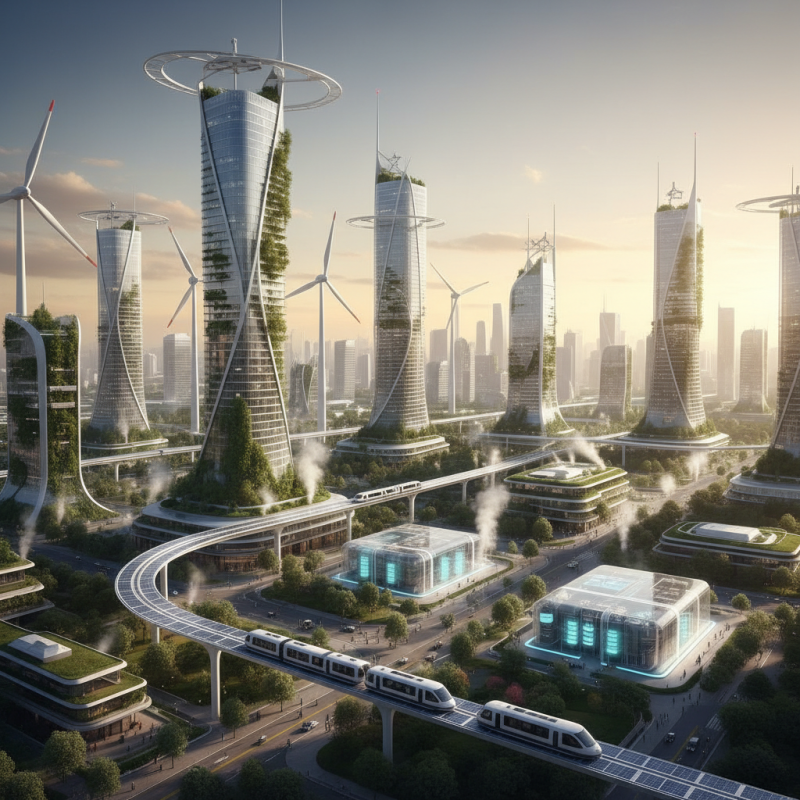
2026 Top Renewable Energy Trends Shaping Future Cities?

Key Renewable Energy Technologies Revolutionizing Urban Infrastructure

As urban environments evolve, renewable energy technologies are driving significant changes. Solar panels and wind turbines are becoming common sights on rooftops and parks. Smart grids optimize energy distribution, enhancing overall efficiency. Innovations like energy storage solutions, including advanced batteries, are crucial for balancing supply and demand.

Tips: Consider how your city can integrate these technologies. Look for local projects that demonstrate renewable solutions. Engage with community initiatives that encourage sustainability.

Energy-efficient buildings are emerging as a vital trend. These designs utilize natural light and proper insulation, reducing reliance on artificial heating and cooling. They aim to minimize carbon footprints as urbanization continues. However, challenges remain in retrofitting existing structures. This process can be costly and time-consuming.

Tips: Explore energy audits for your home or office. Identifying energy wastage can lead to significant savings. Engage with local professionals to discover viable upgrades.

Integration of Smart Grids and Energy Storage in Future Cities

As cities evolve, integrating smart grids and energy storage becomes crucial. Smart grids enable efficient energy distribution. They facilitate real-time communication between energy producers and consumers. Enhanced data analytics helps optimize energy flow. Cities can respond better to fluctuations in demand. This adaptability supports sustainable urban growth.

Energy storage solutions are essential to balance supply and demand. They ensure renewable energy can be used when needed. Innovations like battery technology improve energy retention. However, these systems can be costly and complex to implement. Some cities may struggle with the necessary infrastructure. Reliability of these systems is another concern, especially during extreme weather events.

Future cities must address these challenges. Collaboration among governments, businesses, and communities is vital. Diverse input will lead to more sustainable solutions. Continued research and development can drive improvements. However, not all solutions will be perfect. Learning from failures will shape more resilient energy matrices in the long run.

The Role of Solar Energy Innovations in Urban Development

Solar energy innovations are transforming urban landscapes. As cities grow, they face challenges like pollution and energy demands. Solar technology offers sustainable solutions that can reshape our environments. Rooftop solar panels and solar gardens are becoming common in urban areas. These installations not only provide clean energy but also enhance the aesthetic appeal of buildings.

Tips: Consider integrating solar panels into your home design. Look for community programs promoting solar adoption. They can guide you in making wise energy choices.

Urban planners increasingly recognize the versatility of solar energy. Emerging technologies, such as solar skins and transparent solar cells, blend seamlessly with architecture. This means buildings can generate power without compromising style. However, challenges remain regarding installation costs and urban regulations.

Tips: Research local incentives for solar energy. These can reduce upfront costs. Also, evaluate the energy efficiency of your home before investing in solar solutions.

Many cities still rely heavily on non-renewable energy sources. This reliance poses risks to our environment. It's essential to weigh the benefits and drawbacks of integrating solar energy in urban settings. Seeking expert advice can help navigate these complexities.

Sustainable Transportation Solutions Powered by Renewable Energy

Sustainable transportation solutions are crucial for the future of cities. Renewable energy sources are transforming urban mobility. Electric buses and cars are becoming more common. Cities are investing in charging infrastructure. This supports the growth of electric vehicles. More efficient public transport options are also emerging.

Biking and walking paths are being integrated into city planning. These promote greener transportation alternatives. However, many cities face challenges. Not all areas have access to public transportation, leading to inequality. Urban planners are tasked with addressing this gap. Sustainable solutions must be accessible to all residents.

Renewable energy will power most future transit systems. Solar panels on bus shelters can generate needed energy. Wind turbines are also being considered. These innovations can reduce reliance on fossil fuels. While progress is promising, cities must remain vigilant. Infrastructure must evolve alongside population growth. The road ahead is filled with opportunities and challenges.

Policy and Investment Trends Supporting Urban Renewable Energy Initiatives

As urban areas evolve, renewable energy initiatives are becoming critical. Policies at local and national levels drive investments in clean energy. Governments focus on incentives for solar, wind, and energy storage projects. These investments create job opportunities and stimulate local economies.

Tips: Invest in energy efficiency. Assess your buildings to reduce consumption. Effective insulation can cut heating costs significantly.

Moreover, city planning is aligning with green energy goals. Urban landscapes are integrating renewable sources into their infrastructure. For instance, solar panels on rooftops offer dual benefits. They generate energy while reducing heat absorption. Cities are also exploring community solar projects. This approach allows residents to share resources, promoting inclusivity.

Tips: Engage with local authorities. Advocate for renewable energy programs in your community. Participation can lead to better policies and infrastructure development.

Despite progress, challenges remain. Some policies still favor fossil fuels. Transitioning fully to renewables requires consistent advocacy and commitment. Stakeholders must remain vigilant to ensure that progress is not undermined. Each city has a unique path, but the goal remains the same: sustainable, renewable energy for all.

2026 Top Renewable Energy Trends Shaping Future Cities

Trend Description Impact on Urban Living Investment Focus
Decentralized Energy Systems Local energy production through solar panels and wind turbines. Empowers communities, reduces reliance on centralized power grids. Investments in microgrids and energy storage solutions.
Smart Grids Electricity supply systems that use digital technology to monitor and manage the transport of electricity. Improves energy efficiency and reliability; reduces outages. Funding for grid modernization and cybersecurity enhancements.
Electric Mobility Integration of electric vehicles and charging infrastructure in urban areas. Decreases emissions and noise pollution from urban transport. Capital directed toward EV infrastructure and incentives.
Green Building Standards Building designs that emphasize energy efficiency and renewable materials. Enhances urban air quality and reduces energy consumption. Investments in sustainable architecture and retrofitting existing buildings.
Renewable Energy Policies Government initiatives promoting the adoption of renewable energy sources. Increases the share of renewable energy in urban energy mix. Focus on tax incentives and grants for renewable projects.

FAQS

: What role do smart grids play in future cities?

: Smart grids enable efficient energy distribution and real-time communication between producers and consumers.

Why is energy storage important for cities?

Energy storage balances supply and demand, ensuring renewable energy is used efficiently when needed.

What are some challenges with energy storage systems?

Energy storage can be costly and complex. Infrastructure may not meet necessary requirements in some cities.

How are cities promoting sustainable transportation?

Cities invest in electric vehicles and charging infrastructure, along with biking and walking paths.

What makes access to public transportation an issue?

Not all neighborhoods have reliable public transport. This can lead to inequality among residents.

How does renewable energy impact public transportation?

Future transit systems will rely on renewables, like solar panels on bus shelters and wind turbines.

What can citizens do to support renewable energy initiatives?

Engage with local authorities and advocate for renewable programs to influence better policies.

What are the implications of ineffective policies in renewable energy?

Some policies still favor fossil fuels, making it harder to transition fully to renewable energy solutions.

What benefits do solar panels on rooftops provide?

They generate energy while reducing heat absorption, contributing to energy efficiency.

Is progress towards renewable energy guaranteed?

Progress is promising but requires ongoing advocacy and commitment to ensure it continues.

Conclusion

The article "2026 Top Renewable Energy Trends Shaping Future Cities" explores the transformative impact of renewable energy trends for future cities. It highlights key technologies revolutionizing urban infrastructure, notably through advancements in solar energy and energy-efficient systems. The integration of smart grids and energy storage solutions is pivotal, ensuring a reliable and efficient energy supply that supports urban growth and sustainability.

Moreover, the article discusses sustainable transportation solutions that harness renewable energy, contributing to lower emissions and improved urban mobility. Finally, it underscores the importance of supportive policies and investment trends that drive urban renewable energy initiatives, fostering an environment where cities can thrive sustainably. By harnessing these renewable energy trends, future cities can become more resilient, efficient, and environmentally friendly.

Oliver

Oliver

Oliver is a seasoned marketing professional with a wealth of expertise in driving brand awareness and engagement. With a deep understanding of our company's product offerings, he consistently delivers high-quality content that enriches our professional blog. His insights not only shed light on......