HYBO Energy
Modern homeowners are rethinking how their houses use energy. Rising utility bills, extreme weather, and aging power grids make efficiency more important than ever. Green Energy Solutions For Modern Homes offer practical ways to reduce waste while improving daily comfort. Solar panels, heat pumps, smart thermostats, and battery storage can work together as one system.
A well-designed home begins with an energy assessment, not a product advertisement. Professionals inspect insulation, window performance, air leakage, roof direction, and household demand. These details matter. A large solar array cannot fix poor insulation. Likewise, a heat pump may perform poorly in an unsuitable installation. Qualified contractors should explain expected output, maintenance needs, warranties, and local building requirements clearly. Independent certifications and transparent estimates also help homeowners compare options with confidence.
Real-world results depend on climate, construction quality, and occupant habits. A family may notice cooler bedrooms, quieter heating, and steadier monthly costs. However, no system is perfect. Equipment can fail, batteries can lose capacity, and projected savings may change. That uncertainty deserves honest discussion. Homeowners should review monitoring data, service records, and payback assumptions before investing. Small improvements can matter too, such as sealing a drafty door or adjusting a thermostat schedule. The best strategy is practical, measured, and adaptable. It protects comfort today while supporting a cleaner, more resilient home tomorrow.
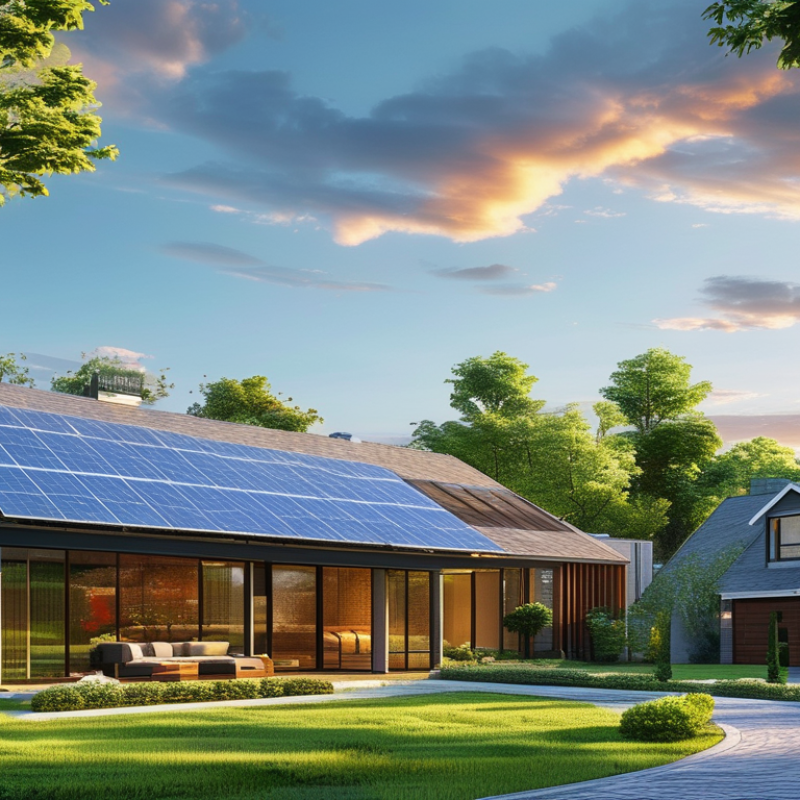
Green energy solutions mean more than adding solar panels to a roof. In a modern home, they connect energy production, efficient equipment, insulation, and daily habits. A well-designed system can turn sunlight into electricity, store some of it, and reduce demand during peak hours. It can also keep indoor temperatures steadier. That matters on a cold morning.
From practical experience, strong results usually begin with the building itself. Sealing a drafty window or improving attic insulation may cost less than adding new generation. A qualified energy assessment can reveal heat loss through thermal imaging and track electricity use with a smart meter. These measurements are more dependable than attractive promises. Still, no solution fits every house. Roof direction, local weather, household routines, and connection rules all influence performance.
Modern systems also require attention after installation. Batteries need safe ventilation and regular checks, while heat pumps work better with clean filters and suitable settings. I have seen efficient equipment underperform because users misunderstood the controls. That is an avoidable weakness. The transition is not flawless. Materials have environmental costs, upfront spending can be difficult, and cloudy weeks may test expectations. Honest planning should include maintenance, backup power needs, and a realistic estimate of seasonal output.
Renewable technologies can power more than lights. They can support heating, hot water, cooking, and daily charging. In a home energy assessment, I look at usage patterns before recommending equipment. Roof direction, insulation, local weather, and household routines all matter. Solar panels produce electricity during daylight, while batteries can store surplus for evening appliances. The system is practical, but not magical. Cloudy weeks still require careful planning.
A heat pump can move heat from outdoor air into living spaces. It often works best in a well-insulated home with correctly sized radiators. Smart controls can shift washing, water heating, or vehicle charging toward sunny hours. This reduces wasted generation and may lower peak electricity demand. However, savings depend on tariffs, maintenance, climate, and installation quality. I have seen attractive projections become disappointing when occupants changed their routines. That lesson deserves attention.
Reliable projects use measured household data, transparent calculations, and qualified electrical work. Installers should explain expected output, battery limits, backup behavior, and safety checks in plain language. Homeowners should also ask how components will be serviced after installation. Renewable power feels simple at the switch. Behind it sits a living system. It needs monitoring. It needs adjustment. No technology fits every roof, budget, or family schedule. Good design leaves room for uncertainty.
Green energy can make a modern home cleaner beyond its front door. Rooftop solar produces electricity without burning fuel on site. Heat pumps also move heat instead of creating it through combustion. That change can reduce household carbon emissions and local air pollutants.
The IPCC’s Sixth Assessment Report places wind and solar among the lowest-emission electricity sources across their lifecycles. Their estimated emissions remain far below coal and gas generation. The International Energy Agency reported nearly 510 gigawatts of renewable capacity additions worldwide in 2023. This growth reflects wider access to low-carbon electricity, although household benefits still depend on local grids, building design, and installation quality.
The details matter. A well-insulated home may need fewer panels and a smaller heat pump. Efficient windows can reduce winter demand beside a quiet air-source unit. Less energy wasted. The environmental gains are tangible, but green technology is not impact-free. Manufacturing panels, batteries, and pumps requires minerals, energy, transport, and responsible recycling. The International Renewable Energy Agency highlights recycling and circular design as important parts of renewable deployment. Homeowners should examine product lifecycles, maintenance records, and verified performance data. Cheap equipment can create disappointing results. Even professional estimates can miss shading, seasonal demand, or poor ventilation. That uncertainty deserves attention.
A practical comparison of common household solutions and their measurable environmental benefits
| Green Energy Solution | Environmental Benefit | Indicative Performance or Reduction | Why It Matters for Modern Homes | Key Consideration |
|---|---|---|---|---|
| Solar photovoltaic panels | Generate electricity without direct combustion emissions during operation. | Lifecycle greenhouse-gas emissions are approximately 20–50 g CO₂e per kWh for solar power, compared with about 820 g CO₂e per kWh for coal-fired electricity. | Can reduce dependence on grid electricity and lower household-related carbon emissions over the system’s service life. | Output varies with sunlight, roof orientation, shading, system size, and electricity-storage options. |
| Small-scale wind electricity | Produces electricity with very low operational emissions and no fuel combustion. | Lifecycle greenhouse-gas emissions are approximately 10–15 g CO₂e per kWh for onshore wind power. | May complement solar generation in locations with consistent, suitable wind resources. | Requires an appropriate wind resource, safe siting, structural assessment, and compliance with local regulations. |
| Air-source heat pump | Uses electricity to transfer heat instead of producing heat through direct fuel combustion. | Many systems can deliver approximately 2–4 units of heat for each unit of electricity consumed, depending on conditions and system design. | Can reduce on-site fossil-fuel use for space heating and cooling, especially when powered by low-carbon electricity. | Actual emissions depend on electricity generation, outdoor temperature, equipment efficiency, and correct installation. |
| Solar thermal water heating | Uses sunlight to provide hot water and reduces energy required from gas or electric water heaters. | Can supply roughly 50–80% of annual domestic hot-water demand in suitable climates and properly designed systems. | Reduces fuel consumption and can lower emissions associated with one of the largest household energy uses. | Performance depends on solar availability, hot-water demand, storage capacity, and backup heating. |
| LED lighting | Uses substantially less electricity than traditional incandescent lighting and lasts much longer. | Typically uses about 75–90% less energy than incandescent bulbs and can last up to approximately 25 times longer. | Provides a relatively simple way to reduce electricity demand, replacement waste, and associated power-sector emissions. | Choose suitable brightness, color temperature, dimming compatibility, and responsible end-of-life disposal. |
| Battery energy storage | Stores surplus renewable electricity for later use and can reduce reliance on high-emission grid periods. | Round-trip efficiency is commonly about 80–95%, depending on battery chemistry, system design, and operating conditions. | Improves the use of on-site solar generation and may reduce electricity drawn from fossil-fuel-heavy periods. | Manufacturing has environmental impacts; recycling, battery life, and the local electricity mix should be considered. |
| Home insulation and air sealing | Reduces heat loss in winter and heat gain in summer, lowering the energy needed for heating and cooling. | The achievable energy reduction varies widely, but air sealing and insulation can substantially reduce heating and cooling demand in inefficient homes. | Cuts energy consumption before renewable systems are sized and improves indoor comfort and resilience. | Results depend on building age, climate, construction quality, ventilation, and installation workmanship. |
Why Choose Green Energy Solutions for Modern Homes?
Energy-efficient homes can reduce costs before solar panels or batteries enter the picture. The U.S. Department of Energy reports that heating and cooling use about 48% of household energy. Better insulation, sealed ducts, and efficient windows target this major expense directly. A warm bedroom should not require a furnace running beside a cold, leaky window.
The International Energy Agency reported that buildings consumed about 30% of global final energy in 2022. That figure reveals a practical financial opportunity. Lower energy demand means smaller monthly bills and less exposure to price increases. Smart thermostats, heat pumps, and efficient water heaters can also reduce maintenance stress. The U.S. Energy Information Administration shows that water heating remains one of the largest residential energy uses, so short showers alone cannot solve the problem.
Savings are not automatic. A poorly sized heat pump may consume more than expected, and high-quality insulation requires careful installation. The payback period also depends on climate, utility rates, financing, and household habits. This is where professional energy audits become valuable. They can identify air leaks around doors, attics, and ductwork before expensive upgrades begin. A 2023 national efficiency analysis found that many building improvements deliver measurable energy reductions, but real results vary by property. That uncertainty deserves attention. A smaller first project may be wiser than renovating everything at once.
How Energy-Efficient Homes Reduce Long-Term Costs
Space heating, water heating, and air conditioning account for the largest shares of household energy use. Improving insulation, sealing air leaks, using efficient heating and cooling systems, and installing efficient water heaters can reduce recurring energy costs over time. Data shown are rounded U.S. residential end-use estimates from the U.S. Energy Information Administration’s Residential Energy Consumption Survey.
Choosing a green energy system requires more than comparing panel prices. Start with a professional home energy audit. It can reveal heat loss around windows, weak insulation, or inefficient appliances. A system should match your home’s actual demand, not an ideal estimate. Review twelve months of electricity bills and note seasonal changes. A larger system is not always better. Roof direction, shade from nearby trees, local weather, and available roof space also affect performance.
Consider how the system will operate during cloudy days or power interruptions. Battery storage may improve resilience, but its capacity, lifespan, and replacement cost need careful review. Ask qualified installers about permits, safety inspections, maintenance schedules, and realistic output figures. Check their training, insurance, written warranty terms, and experience with homes like yours. Independent energy advisers can help compare proposals without relying on sales pressure. Some estimates look attractive because they exclude future servicing.
Tips: Request an itemized quote. Compare expected annual production, not only equipment cost. Ask what happens when components fail. Confirm who handles repairs and monitoring. Keep records of installation documents and energy readings. A simple spreadsheet can expose optimistic promises. Also, question your own assumptions. I once thought maximum generation was the obvious goal, but household usage patterns mattered more. A smaller, well-matched system may perform better financially and practically.
They can support lighting, heating, hot water, cooking, and daily charging. Solar panels generate electricity during daylight. Batteries can store surplus power for evening appliances. Cloudy weeks matter.
Review usage patterns, roof direction, insulation, local weather, and household routines. A home assessment can reveal mismatches before installation. Future behavior remains difficult to predict.
Better insulation reduces heating and cooling demand. Sealed ducts and efficient windows also prevent wasted energy. A warm bedroom should not sit beside a cold, leaky window.
It moves heat from outdoor air into living spaces. Performance improves in well-insulated homes with correctly sized radiators. Poor sizing may increase consumption and disappointment.
Smart controls can shift washing, water heating, and vehicle charging toward sunny hours. This may reduce wasted generation and peak electricity demand. People sometimes forget the schedule.
No. Savings depend on tariffs, maintenance, climate, installation quality, and household habits. Attractive projections can fail when routines change. My estimate may be wrong.
Reliable projects use measured household data and transparent calculations. Qualified workers should complete electrical work and safety checks. Clear explanations matter.
They should explain expected output, battery limits, backup behavior, monitoring, and servicing. Ask who maintains the equipment later. Small details become expensive surprises.
Not always. An energy audit can identify leaks around doors, attics, and ductwork first. A smaller project may be wiser. Leave room for uncertainty.
Green Energy Solutions For Modern Homes combine renewable power, efficient appliances, smart energy management, and improved building design to create healthier, more sustainable living spaces. Solar panels, small wind systems, heat pumps, and other renewable technologies can help meet everyday household needs, including heating, cooling, lighting, and hot water. By producing cleaner energy and reducing reliance on fossil fuels, these solutions can lower greenhouse gas emissions, conserve natural resources, and support a more resilient energy future.
Energy-efficient homes also use less power through insulation, efficient windows, LED lighting, and intelligent controls, which can reduce long-term utility and maintenance costs. Choosing the right green energy system depends on factors such as local climate, available space, household energy demand, installation costs, maintenance requirements, and future expansion plans. A thoughtful assessment of these needs helps homeowners select practical solutions that balance environmental responsibility, comfort, reliability, and financial value.
