HYBO Energy
HYBO Energy
HYBO Energy
Engineered for extreme performance, grid compatibility, and long-cycle reliability.
Unravelling the structural changes in energy demand, grid instability, and clean energy scalability.
The global energy paradigm is undergoing a massive decentralization, driven by the urgency of climate mitigation, rising retail electricity tariffs, and persistent grid vulnerability. As conventional fossil-fuel baseload generation is phased out, the intermittent nature of wind and solar installations requires robust grid stabilization mechanisms. Modern energy landscapes are transitioning from centralized power plants to dynamic, distributed networks where commercial and industrial (C&I) entities play a dual role as both energy consumers and energy producers (prosumers).
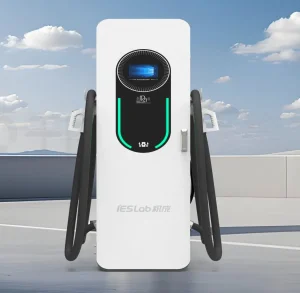
Within this macroeconomic landscape, Chinese manufacturing and technological scale have served as critical catalysts. China's top alternative energy solutions factories have set a global benchmark in supply chain integration, R&D intensity, and cost efficiency. From the supply of critical lithium iron phosphate (LiFePO4) cell chemistries to advanced multi-standard DC fast EV chargers, Chinese exporters dominate the clean technology supply chain. Integrating these technologies allows international projects to balance carbon targets with real-world financial viability.
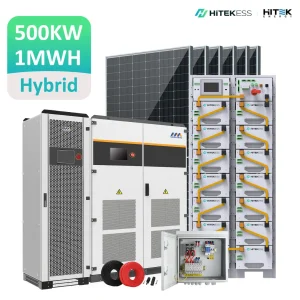
Modern microgrid architectures are no longer limited to simple backup power during utility failure. Advanced systems utilize predictive AI algorithms, real-time load shaping, and smart energy arbitrage (storing low-cost off-peak energy and discharging during high-cost peak grid periods). This commercial shift has driven demand for scalable hybrid systems, ranging from 500kW configurations to larger multi-megawatt configurations, ensuring that critical industrial processes remain online during grid outages.
Quantifiable performance standards across global implementation zones.
Dual-core processors monitor cell voltage, temperature, and State of Charge (SoC) parameters to optimize cell balance and longevity.
Allows seamless transitions between on-grid operations, off-grid micro-grids, and net-metering structures without phase interruption.
Equipped with high-performance cooling systems, automatic pressure reliefs, and multi-tier fire suppression systems.
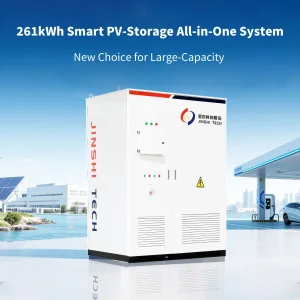
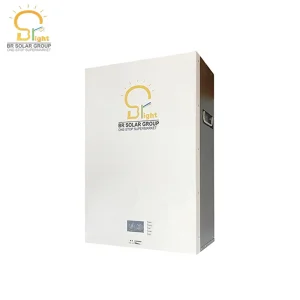
Changzhou HYBO New Energy Co., Ltd. specializes in the production, design, manufacturing, and sales of lithium battery energy storage products. Starting from household energy storage, the enterprise has systematically expanded into small industrial, commercial, and portable energy storage sectors. Developing advanced lithium-ion batteries tailored for residential systems and small C&I grids, HYBO designs customizable hardware platforms optimized for harsh operational conditions.
Our energy storage products rely on the company's proprietary, advanced Battery Management System (BMS) and self-developed patented technologies. To ensure international standard compliance and grid safety, the systems have successfully passed rigorous product testing to secure TUV, IEC, CEC, and other authoritative international certifications, establishing high levels of operational reliability.
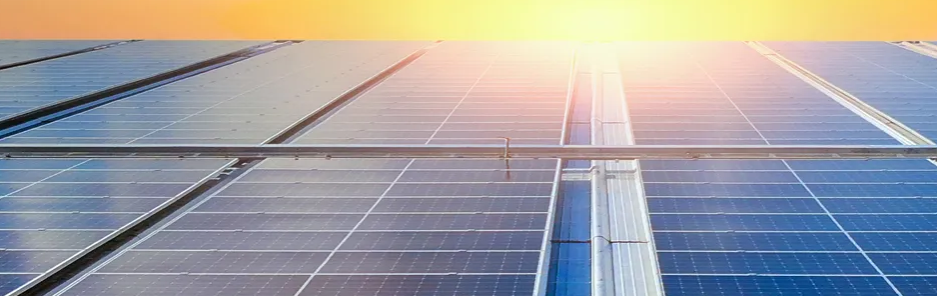

Our energy storage configurations are deployed in various environments worldwide. The products have been successfully exported to the European Union, the United Kingdom, South Africa, Southeast Asia, Asia, Australia, New Zealand, Japan, the Middle East, and other major sovereign territories.
We provide localized solutions designed for regional grids. In the European Union and the United Kingdom, our focus is on high-voltage grid synchronization and compliance with strict electrical codes. In South Africa and Southeast Asia, our installations provide critical protection against load-shedding and localized power outages, delivering stable energy access to homes and commercial spaces.
Providing reliable off-grid electricity when utility power is unavailable.
Exploring the materials science and engineering design behind clean energy systems.
To evaluate alternative energy solutions, it is important to understand the underlying technology roadmap. Modern systems are moving away from older lead-acid batteries toward advanced Lithium Iron Phosphate (LiFePO4) chemistry. This shift is driven by safety, thermal stability, and long-term cycling performance. LiFePO4 cells resist thermal runaway, which is a critical safety consideration for indoor residential and high-capacity C&I installations.
In addition, battery performance is dependent on the management system. The Battery Management System (BMS) acts as the central safety controller. Modern BMS architectures use dual-core processors to track multiple sensor data points. By monitoring individual cell voltage, temperature, and internal resistance, the BMS prevents over-charging, over-discharging, and short circuits. It also balancing cell capacities dynamically, extending the overall service life of the battery bank.
System design also depends on inverter performance. Modern hybrid inverters use high-efficiency topology to convert solar DC electricity into utility-grade AC power. These smart inverters feature rapid maximum power point tracking (MPPT) algorithms, keeping solar panels operating at maximum efficiency even in changing weather conditions. For grid safety, these systems comply with rapid shutdown rules (like NEC standards) to protect maintenance workers during utility grid outages.
Key considerations to match system sizing with real-world energy demands.
Before investing in an energy storage solution, it is important to evaluate the specific load demands of your application. Calculating your average and peak electricity usage helps prevent purchasing an undersized system that fails during high load periods, or an oversized system with unnecessary equipment costs.
To determine the appropriate system capacity, consider the following parameters:
For industrial applications, choosing high-voltage systems (380V to 480V three-phase configurations) reduces transmission line losses and allows direct connection to heavy machinery. Residential projects, on the other hand, typically use low-voltage, modular battery stacks (48V) that can be easily expanded as household electricity needs grow over time.
Technical answers to common questions about alternative energy hardware.
Engineered for extreme performance, grid compatibility, and long-cycle reliability.