HYBO Energy
HYBO Energy
HYBO Energy
High-performance tier-1 industrial components, smart monitoring devices, and off-grid integration modules.
The intersection of smart mobility, decentralized distribution grids, and lithium-ion storage technology.
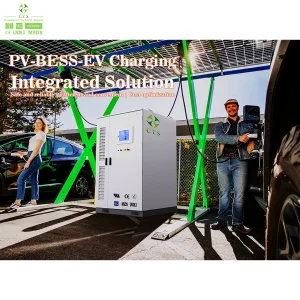
The global push towards vehicle electrification has created an unprecedented challenge for municipal and national electrical grids. High-power DC fast-charging stations (HPDCs) pull vast amounts of instantaneous power, leading to voltage sags, localized grid overload, and increased peak demand pricing. The integration of Battery Energy Storage Systems (BESS) at the charging interface is no longer an optional upgrade; it is the cornerstone of modern grid resilience.
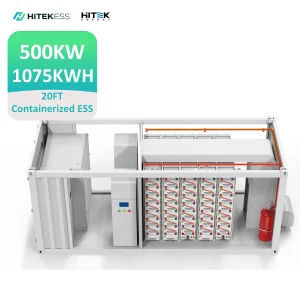
By coupling localized battery storage with electric vehicle supply equipment (EVSE), operators can implement peak shaving, load shifting, and emergency backup power. China's top-tier manufacturers and exporters are pioneering this shift by packaging ultra-reliable lithium iron phosphate (LiFePO4) chemistries with advanced balance-of-system (BOS) components to deliver robust turnkey infrastructure worldwide.
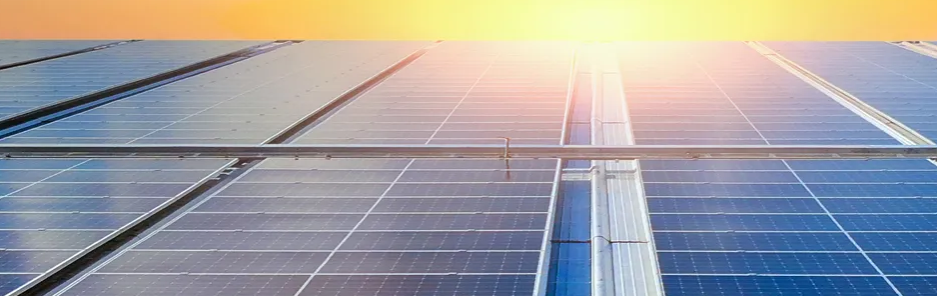
Traditional grid upgrades to support multi-megawatt EV charging hubs can take years and cost millions in capital expenditure. Implementing integrated BESS buffer stations bypasses grid capacity limits, permitting quick deployments in remote or congested industrial zones while simultaneously optimizing operational costs (OpEx) by storing off-peak energy or utilizing free solar energy generated on-site.
A comprehensive review of mechanical, electrical, and control technologies driving future-proof energy storage.
Moving towards high-density prismatic LiFePO4 cells. LFP remains the preferred choice for industrial ESS due to its inherent thermal stability, non-combustible nature, and exceptional cycle life (>6000 cycles at 80% DoD).
Hardware-enforced triple over-current protection, gas/smoke detection, aerosol fire suppression systems, and active cell balancing boards that dynamically reroute energy to avoid localized thermal runaways.
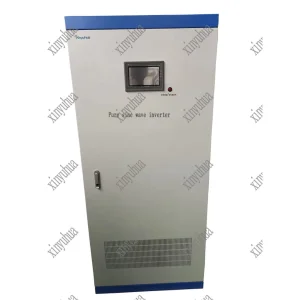
Bidirectional inverters featuring fast transfer times (<10ms) that bridge off-grid networks, solar arrays, generator backups, and electric vehicle fleet hubs into a unified microgrid ecosystem.
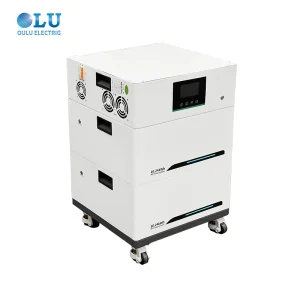
Changzhou HYBO New Energy Co., Ltd. specializes in the production, design, manufacturing, and sales of premium lithium battery energy storage products. Starting from household energy storage, we have systematically expanded our footprint into the demanding sectors of small industrial, commercial, and utility-scale energy storage, as well as high-capacity portable power stations.
Our core engineering capability focuses on the development of lithium-ion batteries tailored for residential energy systems, commercial microgrids, and high-voltage industrial applications. Crucially, all energy storage systems rely on the company's proprietary advanced battery management system (BMS) and self-developed patented technologies. Our commitment to absolute reliability is reflected in our adherence to stringent global testing protocols, resulting in certifications from international regulatory bodies including TUV, IEC, and CEC.

Our client base spans across highly regulated and diverse global markets, providing reliable power quality and grid services in:
This global distribution footprint is underpinned by localized support networks and products tailored to regional environmental and grid realities (such as active load-shedding mitigation in South Africa, high-temperature cooling in the Middle East, and strict grid-code compliance in the EU and Australia).
Bridging the gap between stationary infrastructure and off-grid versatility for work, home emergency, and outdoor life.
Essential for on-site execution where grid electrical infrastructure has not yet been built or is experiencing outages.
Ensuring critical home circuits remain operational during blackouts, severe weather events, or grid stabilization routines.
Enabling off-grid recreational comfort, portable charging for remote film crews, camping excursions, and mobile living.
Before purchasing a portable power station, it is critical to map out your system sizing. Calculate the total continuous and peak wattage of the appliances you intend to power simultaneously, project your required runtimes, and balance this against solar recharge input capacity. A precise alignment between load requirements and power station output limits ensures optimal lifespan and cost-efficiency.
Technical answers to complex questions regarding electric vehicle infrastructure design, commercial battery selection, and power management.
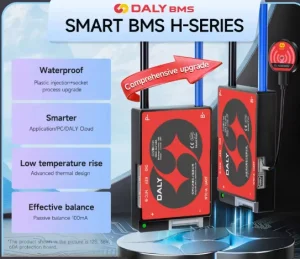
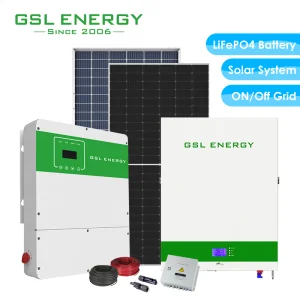
High-voltage battery packs, active balancing systems, optimization devices, and complete off-grid kits.