 HYBO Energy
HYBO Energy
HYBO Energy
Explore our elite selection of energy conversion, intelligent monitoring, and architectural core products engineered for high performance.
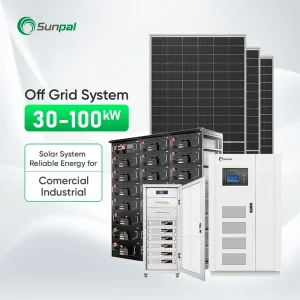
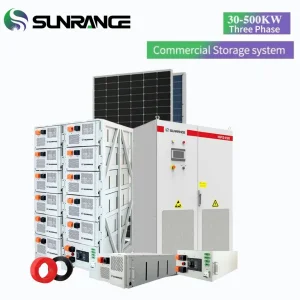
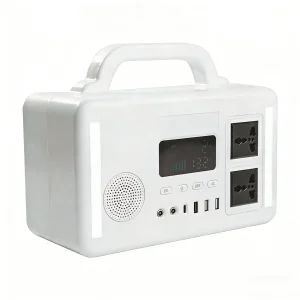
Changzhou HYBO New Energy Co., Ltd. specializes in the production, design, manufacturing, and sales of lithium battery energy storage products. Starting from household energy storage, we have strategically scaled our capabilities to serve small industrial, commercial, and portable energy applications.
Our energy storage products rely heavily on the company's proprietary, advanced Battery Management System (BMS) and self-developed patented technologies. To ensure global compatibility and safety, our systems have successfully passed rigorous international certifications, including TUV, IEC, and CEC.
By prioritizing engineering precision and technological research and development, we bridge the gap between volatile clean energy generation and reliable grid transmission.
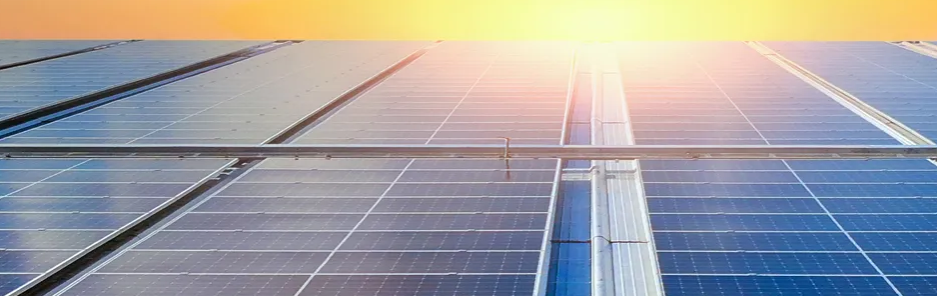
Delivering high-voltage reliability and smart microgrid infrastructure to key global markets.
Our energy distribution systems have been deployed across the European Union, the United Kingdom, South Africa, Southeast Asia, Asia, Australia, New Zealand, Japan, the Middle East, and beyond. We supply custom, robust solutions that endure extreme environmental conditions.

Analyzing current energy trends, microgrid integrations, and supply chain paradigms.
As traditional grids shift toward wind and solar, power distribution is increasingly volatile. Battery Energy Storage Systems (BESS) function as critical buffers, smoothing grid imbalances, managing peak loads, and protecting industrial machinery from voltage drops.
Modern Commercial & Industrial (C&I) facilities are establishing localized microgrids. These decentralised nodes combine rooftop solar arrays, backup diesel generators, and lithium battery storage to secure energy independence and reduce peak demand charges.
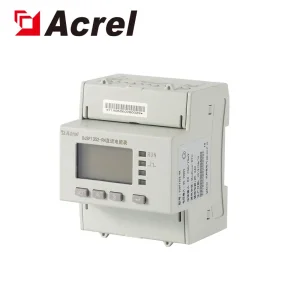
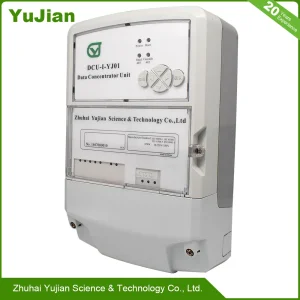
Advanced distribution relies on real-time telemetry. Utilizing smart 3-Phase 4-Wire Data Concentrator Units (DCUs) and DC circuit monitors, facility managers track active power flow, evaluate harmonics, and implement predictive maintenance routines.
China's leadership in energy distribution manufacturing is built on integrated supply chains. By situating lithium processing, cell manufacturing, precision BMS engineering, and structural cabinet fabrication within localized industrial clusters (like Changzhou), manufacturers achieve remarkable efficiency.
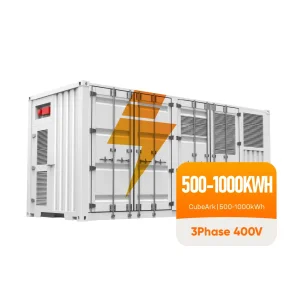
For buyers, this means access to cutting-edge 0.5C and 1C battery architectures, robust containerized storage designs, and high-performance inverters at highly competitive rates. Combined with international certifications like TUV and IEC, Chinese suppliers deliver reliable, scalable solutions designed for global deployment.
A portable power station captures and stores electricity, enabling seamless operation off the grid.
Enabling critical operations in locations lacking reliable grid access:
Securing continuous power for domestic environments:
Powering your adventures and remote lifestyles:
Before you buy a portable power station, it is good to do some homework to figure out how many appliances you will want to power, how much power they draw, how long you plan to be off-grid, and how much sunshine you might get in order to recharge while you are away. These questions will help you determine what outputs you need on a portable power station and how big of a battery you need.
We often worry about life without electricity, such as power cuts or being far from an electrical outlet. Armed with a modern portable power supply, these issues disappear. Our advanced power stations make life convenient, safe, and stress-free.
Essential factors for engineering procurement managers selecting energy storage architectures.
Lithium Iron Phosphate (LiFePO4/LFP) is preferred for stationary commercial systems due to its thermal stability and cycle life (often exceeding 6,000 cycles). NMC chemistry remains a solid choice for portable units due to its high energy density.
Large systems (500kWh to 5MWh) require active cooling. Air cooling suits moderate climates, whereas liquid cooling offers superior thermal uniformity, extending battery life in high-ambient environments.
Your battery storage should seamlessly integrate with existing SCADA or EMS programs. Confirm your supplier supports RS485, CAN bus, and Modbus-RTU protocols for remote diagnostic tracking.
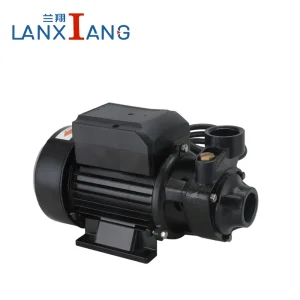
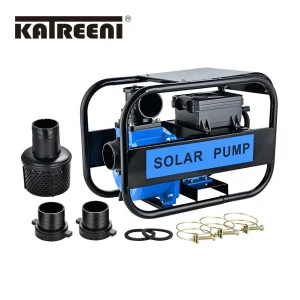
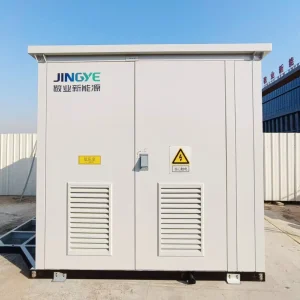
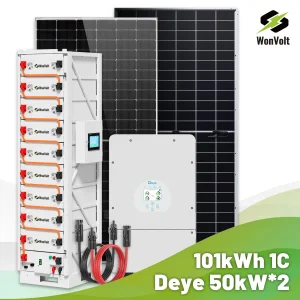
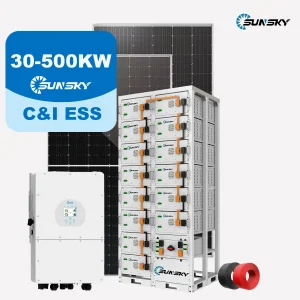
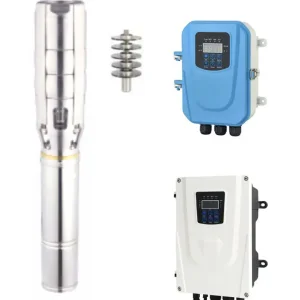
High-capacity BESS systems and high-efficiency water pumping technologies built for heavy-duty commercial deployment.
Technical insights on energy distribution systems, lithium storage architectures, and logistics.