HYBO Energy
HYBO Energy
HYBO Energy
Engineered to withstand demanding grid cycles, commercial loads, and remote off-grid operations.
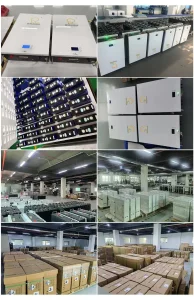
Changzhou HYBO New Energy Co., Ltd. specializes in the production, design, manufacturing, and sales of lithium battery energy storage products. Starting from household energy storage, the company has strategically expanded its operational footprint to encompass small industrial and commercial applications, alongside high-durability portable energy storage systems. Our primary engineering focus lies in the research, development, and scalable production of lithium-ion batteries tailored for residential energy storage systems (ESS) and small industrial/commercial energy projects.
Relying on the company's proprietary, advanced Battery Management System (BMS) and self-developed patented topologies, our energy storage solutions deliver exceptional thermal stability, cell balancing, and long-term cycle lifetimes. Every product cohort undergoes rigorous safety checks and has successfully attained major international compliance milestones including certifications from TUV, IEC, and CEC.
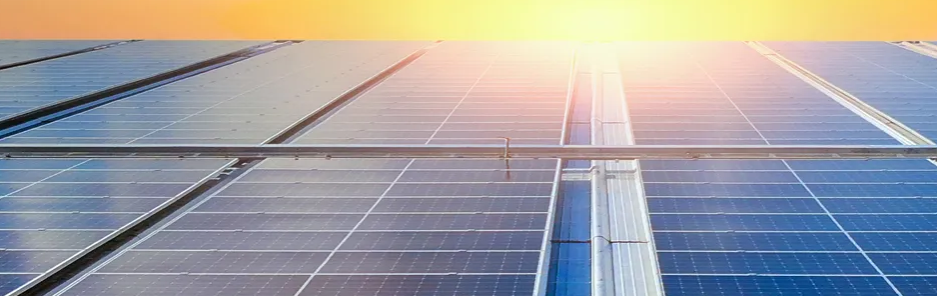
Connecting standard-compliant components to global energy grids and commercial operations.

Our solutions are actively deployed in the European Union, the United Kingdom, South Africa, Southeast Asia, Central & East Asia, Australia, New Zealand, Japan, and the Middle East. We systematically address the primary concerns of global energy developers and enterprise procurers:
How China's leading battery manufacturing ecosystem ensures reliability and compliance worldwide.
Exporting lithium battery storage products requires deep navigation of complex safety frameworks. HYBO's solutions satisfy all regional requirements including the EU CE-LVD, EMC standards, UKCA protocols, South Africa's NRS 097 grid codes, and Australia’s CEC listing requirements. This ensures rapid system commissioning and grid interconnection without regulatory delays.
By operating within Changzhou's high-tech battery clusters, we leverage a vertically integrated raw material ecosystem. This yields immediate access to Grade-A LiFePO4 cells, advanced metal processing facilities, and integrated electronics manufacturing. We translate this into accelerated prototype-to-mass-production lifecycles and highly competitive unit pricing.
We provide full-spectrum engineering services ranging from mechanical housing design (IP65, IK10 ratings), customized BMS parameter configurations, protocol matching for major off-grid hybrid inverters, to localized packaging. This empowers global brands to launch market-ready, customized energy products swiftly.
Deploying storage assets across critical operations, home resilience, and off-grid utility fields.
Reliable power is the foundation of structural safety and field productivity. Our rugged systems sustain highly demanding electrical loads across professional service areas:
Residential energy independence protects critical home support systems during blackouts, weather events, and grid anomalies:
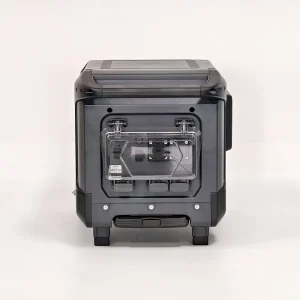
Our ultra-durable, shockproof, and weather-sealed portable units allow travelers and off-grid dwellers to access reliable power anywhere:
Before you procure or configure a battery energy storage system: It is highly recommended to conduct an architectural audit. Detail the cumulative wattage draw of your appliances, understand their startup inrush currents, calculate your required backup autonomy (hours or days off-grid), and cross-reference these metrics with local solar insolation curves. This systematic data helps our engineering team determine your precise battery pack topology, inverter sizing, and BMS protections. Let us design and manufacture the ideal storage system to enjoy life and secure business operations comfortably and reliably.
Analyzing key advancements in modern battery technologies and decentralized grid integration.
Lithium Iron Phosphate (LFP) chemistry has consolidated its position as the industry benchmark for commercial, industrial, and residential energy storage systems (ESS). Unlike NMC (Nickel Manganese Cobalt) chemistries, LiFePO4 exhibits superior thermal stability, mitigating the risk of thermal runaway. Furthermore, LFP cells deliver an excellent service life, often exceeding 6,000 charge-discharge cycles at 80% Depth of Discharge (DoD). This makes them the primary candidate for projects focused on minimizing long-term Levelized Cost of Storage (LCOS).
The integration of Artificial Intelligence at the Battery Management System (BMS) level is revolutionizing how decentralized storage units interact with the main power grid. Future-proof BMS layouts do not simply monitor voltages and temperatures; they leverage edge-computing algorithms to run State of Charge (SoC) and State of Health (SoH) diagnostics. By enabling bi-directional communications with smart utility grids, clustered battery storage systems can act as Virtual Power Plants, allowing commercial owners to participate in peak shaving and frequency response markets.
As storage systems transition from controlled indoor equipment rooms to harsh outdoor and industrial field locations, structural resilience is crucial. Designing systems with IP65 ingress protection (preventing dust and water penetration) and IK10 impact protection ensures long-term operational viability in marine zones, desert solar fields, and mining areas. Our engineering teams pay meticulous attention to vibration dampening and thermal pathways to protect active battery cells from structural degradation.
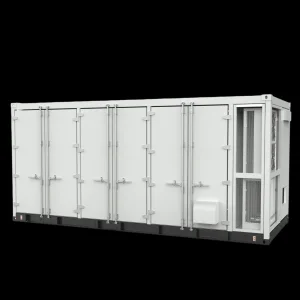
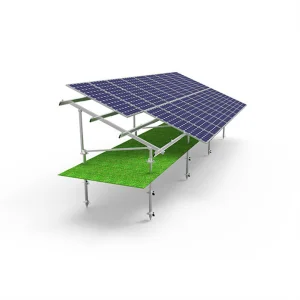
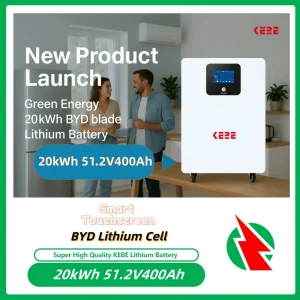
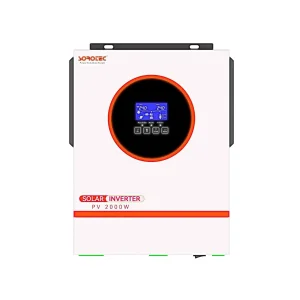
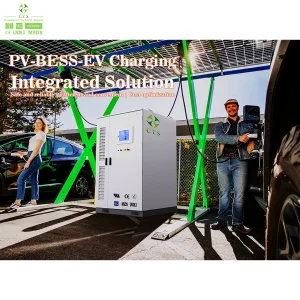
High-capacity systems, structural mounts, and auxiliary industrial devices for grid-tied developers.
Technical insights and supply chain answers for global procurers and battery engineers.