HYBO Energy
HYBO Energy
HYBO Energy
Explore our premium grade microgrid solutions, active-balance battery management systems, and high-performance solar configurations.
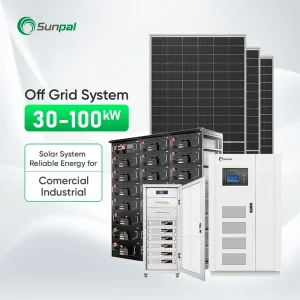
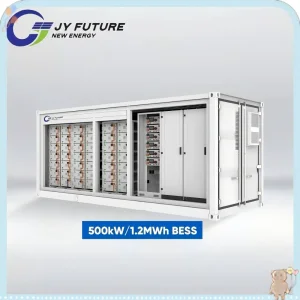
In the contemporary era of the IoT (Internet of Things) and decentralized utility networks, the definition of "Smart Home Devices" has evolved far beyond basic connected appliances and voice assistants. Today, it encapsulates the entire infrastructure of home and industrial energy management systems. Global carbon neutrality initiatives, combined with grid instability and rising energy costs, have catalyzed a massive transition toward intelligent energy generation, battery storage, and dynamic power management technologies.
Modern residential and commercial properties are transforming into localized microgrids. Homeowners and factory operators alike demand smart home devices that integrate seamlessly with renewable energy sources such as solar photovoltaics, advanced storage media (ammonia-hydrogen and lithium-ion batteries), and automated management systems. By monitoring generation, consumption, and storage metrics in real time, these smart energy storage solutions optimize power distribution, lower operational expenses, and provide robust backup power during grid failures.
B2B procurement agents, regional distributors, and utility-scale installers face strict requirements when sourcing smart home devices and industrial energy storage components. These key drivers include:
How state-of-the-art automation and complete structural integration ensure superior efficiency, consistency, and cost optimization.
China's highly developed manufacturing clusters for lithium-ion cells, smart BMS logic boards, and solar mounting systems allow for unparalleled scaling speed. We provide rapid transitions from prototyping to bulk production, matching global demand.
By using fully automated testing equipment, manufacturers can guarantee alignment with the most stringent global standards, including TUV, IEC, CE, and CEC. This simplifies the import and regulatory approval process for our clients.
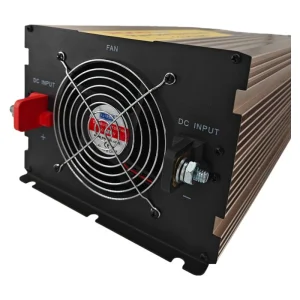
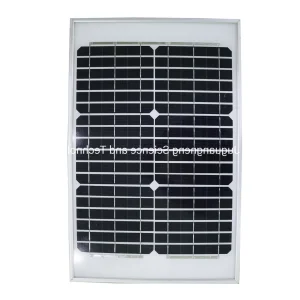
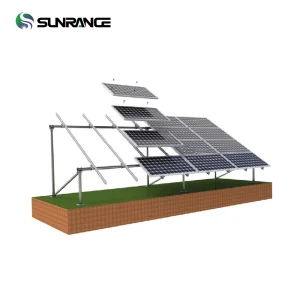
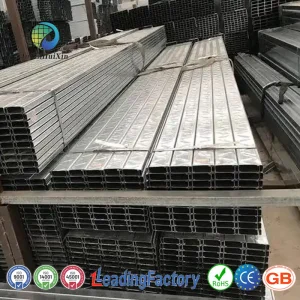
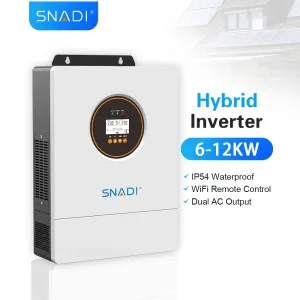
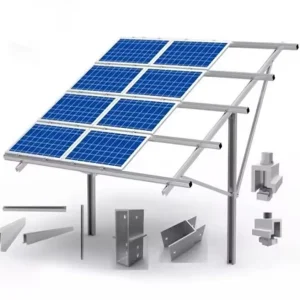
From structural mounting brackets (C U Steel systems) to high-efficiency high-frequency hybrid solar inverters, we supply every component in the value chain. This eliminates compatibility friction and lowers sourcing costs.
Changzhou HYBO New Energy Co., Ltd. specializes in the production, design, manufacturing and sales of lithium battery energy storage products. Starting from household energy storage, it gradually expands to the field of small industry and commerce and portable energy storage. It mainly develops and produces lithium-ion batteries for residential energy storage systems, small industrial and commercial energy storage systems.
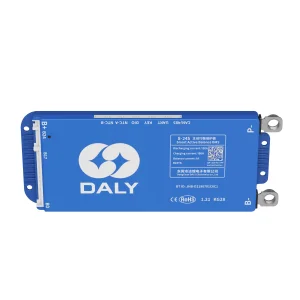
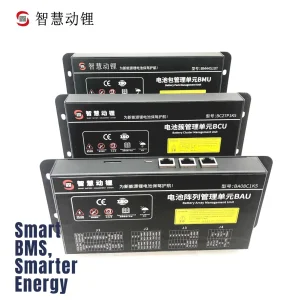
Energy storage products relying on the company's proprietary advanced battery management system (BMS) and its Self-developed patented technology, have passed TUV, IEC, CEC and other international certifications.
Our products have been sold to the European Union, the United Kingdom, South Africa, Southeast Asia, Asia, Australia, New Zealand, Japan, the Middle East and other countries and regions, bringing customers a good experience and providing satisfactory solutions.
We support energy independence, project developers, commercial contractors, and retail distribution chains globally. By maintaining deep inventory availability and rapid shipping frameworks, we ensure our global partners can access high-quality equipment on time.

BMS Core Precision Rate
Exporting Countries & Regions
TUV, IEC & CEC Certified
Annual Energy Storage Capacity
A portable power station makes it possible to capture and store electricity while camping, or away from grid electricity in general. Below are the primary environments where portable and backup power systems are critical.
Installation and Maintenance; Construction and Extraction; Farming and Gardening; Community Service; Hospital Nursing; Transportation; Remote Office; Art and Media; Business. Essential for field service technicians, construction tools, and remote research deployments.
Emergency Preparedness; Backyard Maintenance; Daily Household; Health Care; DIY Room. Protects your family from unexpected grid failures, powering medical devices, refrigerators, and local communications systems.
Hiking; Camping; Off-grid living; Tailgate Party; Outdoor movie; RV life; Overlanding; Gatherings; Fishing. Brings clean, silent energy to outdoor base camps, replacing noisy, polluting gas generators.
Before you buy a portable power station or scale up to a larger commercial system, it is good to do some homework to figure out how many appliances you will want to power from the power station, how much power they draw, how long you plan to be off-grid, and how much sunshine you might get in order to re-charge while you are away from home. These questions will help you determine what outputs you need on a portable power station and how big of a battery you need.
For B2B wholesale buyers and installers, calculate the following key metrics to ensure project compatibility:
Get professional, technical, and regulatory answers to common industry inquiries regarding home and commercial battery systems.
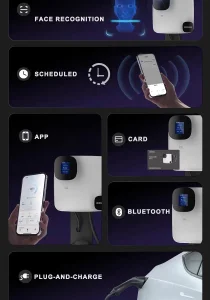
Explore more high-power pure sine wave inverters, EV charging stations, mount brackets, and high-voltage BMS control modules.