HYBO Energy
HYBO Energy
HYBO Energy
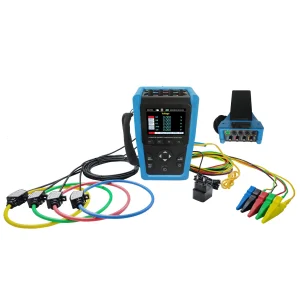
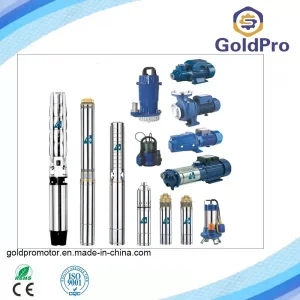
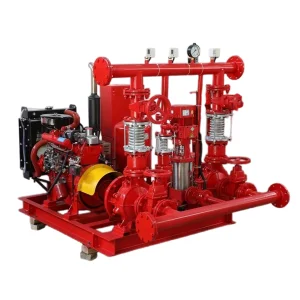
Integrating intermittent renewable assets into fragile grid architectures requires high-performance telemetry, real-time energy edge computing, and robust communication frameworks.
Globally, utilities and commercial enterprises are shifting from passive grid layouts to dynamic, bi-directional energy networks. The deployment of Advanced Metering Infrastructure (AMI) is no longer just about calculating utility billing; it is the fundamental infrastructure layer required for high-penetration solar, wind, and industrial microgrids. Our systems deliver high-fidelity energy data telemetry to assist grid operators and energy managers in minimizing grid transmission loss, mitigating voltage sag, and deploying demand response strategies.
Through strategic hardware integration—such as high-speed multi-parameter data acquisition devices and modular commercial energy storage systems—we enable asset managers to achieve grid balance. Our technological footprint addresses the regulatory requirements of major global regions, allowing developers to future-proof their microgrid installations against shifting energy dynamics.

Deploying high-voltage storage solutions to achieve peak shaving, demand charge management, and backup power resiliency.
Automated energy dispatch algorithms monitor real-time industrial loads. During periods of high peak energy consumption, energy is drawn from localized BESS systems to avoid utility demand surcharges.
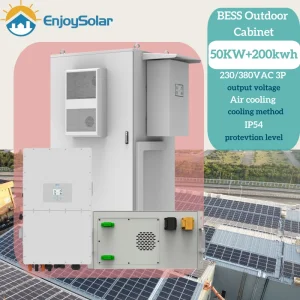
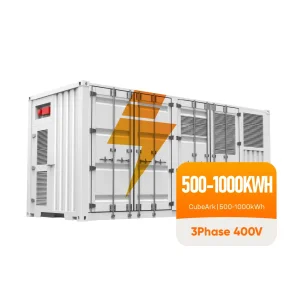
From commercial-grade cabinet systems (100kWh–200kWh) to large utility containers (1MWh+ Bess configurations), these modular technologies scale gracefully alongside industrial expansion.
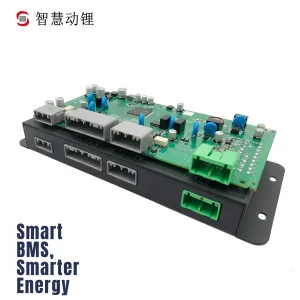
Our intelligent Battery Management Systems (BMS) manage dynamic safety parameters across voltage profiles from 300V to 1500V, ensuring thermal stability and extended cell life cycles.

Pioneering smart-metering-compatible lithium storage solutions with proprietary battery safety protocols.
Changzhou HYBO New Energy Co., Ltd. specializes in the design, engineering, manufacturing, and global distribution of advanced lithium battery energy storage systems. Starting with residential storage products, we have expanded to serve Commercial & Industrial (C&I) sectors, micro-utilities, and portable storage segments. Our engineering team designs smart integration interfaces that link storage assets directly to modern EMS (Energy Management Systems) platforms.
At the core of our technical capability is our proprietary **Battery Management System (BMS)**. Equipped with safety protocols and cell-balancing algorithms, our storage products have successfully cleared rigorous certifications from globally recognized testing institutions, including **TUV, IEC, and CEC**.
Engineering products to meet local safety, regulatory, and technical grid requirements worldwide.
Full compliance with CE directives, EN50549-1/2 grid connection standards, and local G99 requirements for the United Kingdom. Perfect synchronization for residential and commercial virtual power plant schemes.
Approved by the Clean Energy Council (CEC) for installation. Fully compatible with AS/NZS 4777.2 standards, ensuring grid stability in high-penetration solar scenarios.
Engineered with high-temperature tolerance profiles to thrive in harsh climates. Crucial support for off-grid operations, heavy irrigation pumping systems, and industrial microgrids in South Africa.
Optimized designs targeting high humidity environments, with special focus on grid backup capabilities for regions prone to frequent typhoons and grid disturbances.
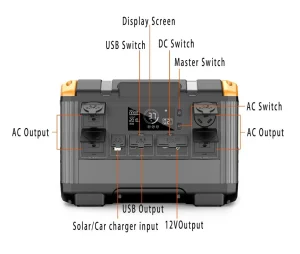
How portable and integrated energy systems deliver mission-critical electricity in diverse work, home, and field environments.
Field Operations: High-reliability electricity supply for onsite system installations, physical construction, mining, and telemetry calibration.
Emergency Services: Critical power configurations supporting outdoor clinics, community rescue operations, media reporting, and remote telecom hubs.
Grid Deficiencies: Automatic UPS functionality to keep home medical machinery, communication electronics, and refrigeration running during storm-induced power outages.
Daily Living: Powering home improvement workshops, landscaping machinery, and domestic backup batteries without the emissions of diesel generators.
Mobile Lifestyles: Integrated power solutions designed for long-distance RV trips, overland vehicles, sailing excursions, and off-grid property maintenance.
Remote Work: Reliable power for outdoor filmmakers, ecological research stations, and geological exploration teams.
Choosing the right smart metering and energy storage system configurations for commercial and industrial applications requires systematic calculation.
Identify high-draw machinery, startup surge currents, and sustained operating loads. Align your requirements with the appropriate battery capacity and inverter output.
Ensure your energy logging devices support Modbus-RTU, Modbus-TCP, DLMS/COSEM, or CAN-bus protocols for integration with existing SCADA systems.
Evaluate temperature ranges and ingress protection (IP54/IP65 ratings) to ensure reliability in challenging outdoor or high-dust industrial environments.
The integration of edge AI computing and smart metering is transforming energy storage devices into active participants in localized energy markets.
As grid complexities grow, our engineering focus is directed toward embedding predictive intelligence into our product line. Future iterations of our High Voltage BMS will communicate with cloud-based AI forecast models to optimize charging and discharging schedules based on weather predictions and shifting spot-market electricity prices.
Through standard integrations of smart metering interfaces and communication modules, our systems can group together to form Virtual Power Plants. This allows commercial customers to monetize their excess storage capacity by supporting local grid frequency regulation markets.
Aggregate distributed batteries into a single, unified grid-responding asset to generate capacity payments.
Onboard processors analyze site demand patterns to charge during cheap rate cycles and discharge during peak cost periods.
Integrating Web API endpoints directly into smart metering modules for seamless dashboard management.
Deep dive technical answers to assist designers, utility engineers, and system integrators.