HYBO Energy
HYBO Energy
HYBO Energy
The global energy landscape is undergoing a radical shift. As nations strive to meet net-zero carbon targets, Solar Photovoltaic (PV) Modules have emerged as the most viable and cost-effective technology for clean energy generation. In 2024, the solar industry has surpassed previous installation records, driven by technological breakthroughs in cell efficiency and a dramatic reduction in the Levelized Cost of Energy (LCOE).
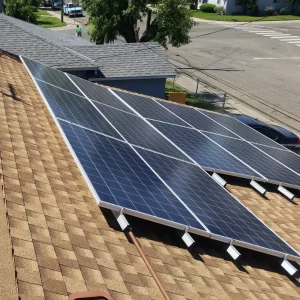
Industrial and commercial sectors are no longer viewing solar as just a "green" option, but as a strategic asset to hedge against volatile electricity prices. From massive utility-scale solar farms in deserts to distributed rooftop systems in dense urban environments, PV technology is the backbone of the modern grid. Today, China stands as the undisputed leader in this sector, providing over 80% of the world’s solar components, thanks to highly integrated supply chains and relentless R&D.
The industry is moving away from traditional P-type cells toward N-type technologies like TOPCon (Tunnel Oxide Passivated Contact) and HJT (Heterojunction). These offer lower degradation and better performance in high-temperature environments, making them ideal for Middle Eastern and African markets.
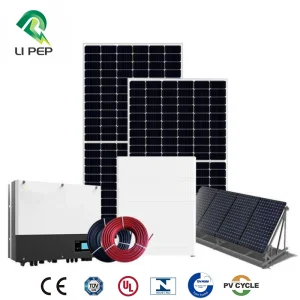
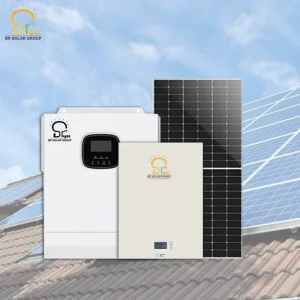
Global procurement is shifting from standalone PV modules to integrated Solar-plus-Storage solutions. Buyers are now demanding "Solar Photovoltaic Modules" bundled with Lithium battery storage to solve intermittency issues, allowing for 24/7 renewable power.
Procurement teams today prioritize Bankability and Compliance. As a leading China exporter, we ensure our modules meet rigorous international standards including TUV, IEC, and CEC certifications. Whether it's for large-scale industrial parks or residential microgrids, our focus remains on delivering high-wattage modules (550W-700W+) that maximize energy yield per square meter.
Changzhou HYBO New Energy Co., Ltd. specializes in the production, design, manufacturing and sales of lithium battery energy storage products. Starting from household energy storage, it gradually expands to the field of small industry and commerce and portable energy storage. It mainly develops and produces lithium-ion batteries for residential energy storage systems, small industrial and commercial energy storage systems.
Energy storage products relying on the company's proprietary advanced battery management system (BMS) and its Self-developed patented technology, have passed TUV, IEC, CEC and other international certifications. Our location in Changzhou, the heart of China’s solar industry, allows us to leverage a world-class supply chain to offer competitive pricing and cutting-edge technology.
Our products have been sold to the European Union, the United Kingdom, South Africa, Southeast Asia, Asia, Australia, New Zealand, Japan, the Middle East and other countries and regions, bringing customers a good experience and providing satisfactory solutions.

Installation and Maintenance; Construction and Extraction; Farming and Gardening; Community Service; Hospital Nursing; Transportation; Remote Office; Art and Media; Business
Emergency Preparedness; Backyard Maintenance; Daily Household; Health Care; DIY Room. Critical for areas with grid instability.
Hiking; Camping; Off-grid living; Tailgate Party; Outdoor movie; RV life; Overlanding; Gatherings; Fishing
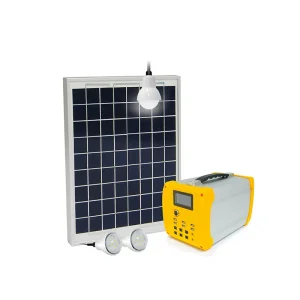
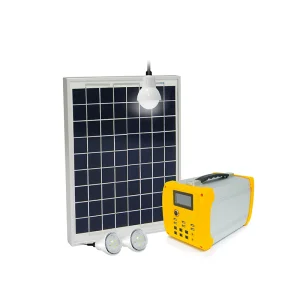
Before you buy a portable power station or a full-scale Solar Photovoltaic System, it is good to do some homework. Figure out how many appliances you will want to power, how much power they draw, how long you plan to be off-grid, and how much sunshine you might get in order to re-charge while you are away from home. These questions will help you determine what outputs you need and how big of a battery you need.
We often worry about life without electricity, such as power cuts or being away from the source. But as long as we have a portable power supply and high-efficiency solar modules, these problems are solved. This power station makes our life more convenient and sustainable.
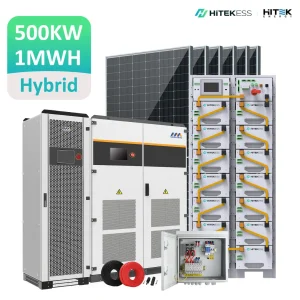
In the current industrial market, the shift towards High Voltage (HV) Solar Systems is undeniable. Unlike traditional low-voltage systems (48V), HV systems (often ranging from 200V to 800V) offer significantly higher efficiency by reducing current-related heat losses. For a factory or commercial building, this means more energy is successfully converted from the solar panels into usable AC power. Our 500kw to 1MW systems utilize these high-voltage architectures to provide seamless power for heavy machinery and large-scale HVAC systems.
Buying from a direct China factory like HYBO means you are tapping into the heart of the photovoltaic value chain. The production process involves precise ingot casting, wafer slicing, cell doping, and finally, module assembly. Each stage is monitored using AI-driven optical inspection tools to ensure zero defects. By integrating lithium storage production within the same facility, we eliminate compatibility issues that often plague third-party "solar + battery" pairings. This vertical integration is why China exporters can offer superior performance-to-price ratios compared to localized assemblers in Europe or North America.
In regions like Ukraine or South Africa, solar energy is not just about saving money—it's about energy security. Our systems designed for the Ukraine market focus on rapid deployment and durability in harsh winters. In South Africa, our hybrid systems are optimized for frequent load-shedding, with BMS settings that prioritize battery charging during the short windows when the grid is active. We don't just ship products; we provide engineered solutions tailored to the specific grid characteristics of each region.
Environmental, Social, and Governance (ESG) standards are becoming a critical part of the procurement process. Modern buyers want to know that their Solar Photovoltaic Modules are produced ethically and with a low carbon footprint. HYBO is committed to sustainable manufacturing practices, reducing waste in our Changzhou facility and ensuring that our lithium sourcing follows international transparency protocols. By choosing a factory that values ESG, global exporters and distributors can satisfy the increasingly stringent requirements of their own corporate clients.