HYBO Energy
HYBO Energy
HYBO Energy
As the second-largest economy in South America, Argentina is witnessing a paradigm shift toward "Construcción Sustentable" (Sustainable Construction). Driven by fluctuating energy costs and a growing national commitment to environmental preservation, Argentinian developers in cities like Buenos Aires, Córdoba, and Rosario are increasingly adopting green building materials. The introduction of the Ley de Etiquetado de Viviendas (Housing Energy Labeling Law) has made thermal efficiency a non-negotiable standard for new residential and commercial developments.
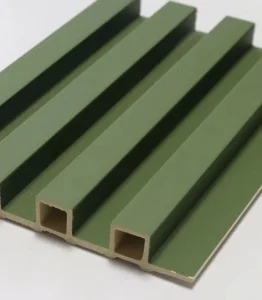
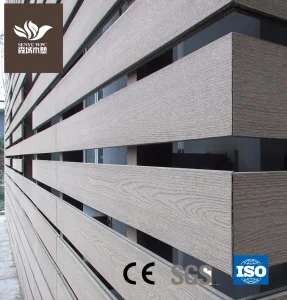
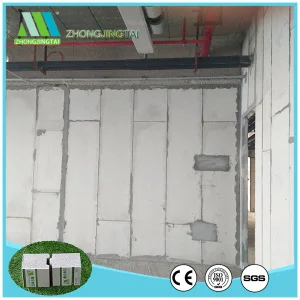
Argentina's industrial landscape is transitioning from traditional brick-and-mortar to dry construction methods (Steel Framing). This shift demands high-quality WPC (Wood Plastic Composite) panels and Aluminum Composite Materials that can withstand the diverse climates of the country—from the humid pampas to the arid Andean regions and the freezing winds of Patagonia.
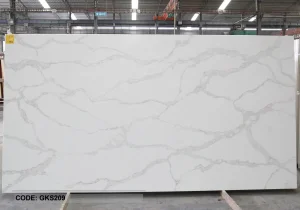
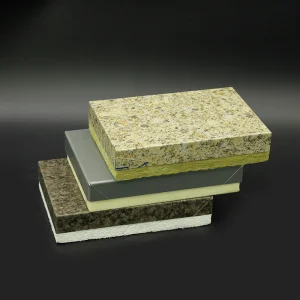
The trend is clear: Decarbonization. Argentine architects are now prioritizing materials with low VOC emissions, such as Silica-Free Artificial Quartz, and high thermal insulation products like Sandwich Cement Wall Panels. There is also a significant surge in integrating renewable energy storage with building designs, making off-grid capabilities highly sought after in remote industrial sites.
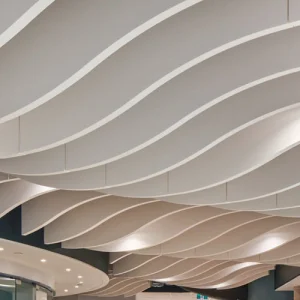
WPC decorative panels and acoustic ceiling boards are becoming the standard for luxury apartments in Puerto Madero, providing both aesthetic Morandi colors and superior sound insulation in dense urban environments.
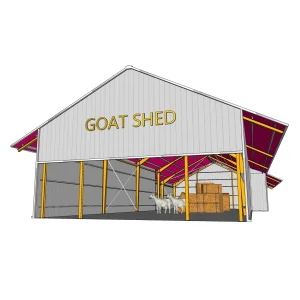
Prefabricated steel structures and insulated sandwich panels are essential for storage facilities and livestock sheds in Southern Argentina, offering quick installation and extreme weather resistance.
Eco-friendly curtain walls and fireproof insulation panels are used in boutique wineries and hotels, ensuring energy efficiency while maintaining the high architectural standards required for international tourism.
Changzhou HYBO New Energy Co., Ltd. specializes in the production, design, manufacturing and sales of lithium battery energy storage products. Starting from household energy storage, it gradually expands to the field of small industry and commerce and portable energy storage.
Energy storage products relying on the company's proprietary advanced battery management system (BMS) and its Self-developed patented technology, have passed TUV, IEC, CEC and other international certifications.
The products have been sold to the European Union, the United Kingdom, South Africa, Southeast Asia, Asia, Australia, New Zealand, Japan, the Middle East and other countries and regions, bringing customers a good experience and providing satisfactory solutions.
What scenarios are needed to use portable power stations?
A portable power station makes it possible to capture and store electricity while camping, or away from grid electricity in general. In Argentina, where remote construction sites are common, these units provide critical power for tools and temporary lighting.
Before you buy a portable power station it is good to do some homework to figure out how many appliances you will want to power from the power station, how much power they draw, how long you plan to be off-grid, and how much sunshine you might get in order to re-charge while you are away from home. These questions will help you determine what outputs you need on a portable power station and how big of a battery you need.
Let us enjoy the life more comfortably: We often worry about life without electricity, such as power cuts, outdoor away from the power source and so on. But as long as we have a portable power supply, these problems can be solved. This power station makes our life more convenient.
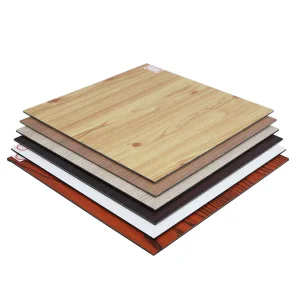
Choosing the right manufacturer and exporter for the Argentinian market involves understanding local logistics and building codes. Our materials are designed to meet international standards while addressing specific local needs.
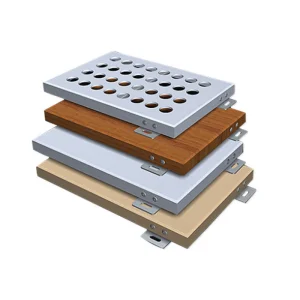
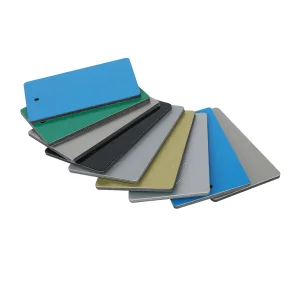
In Argentina, heating and cooling account for a large portion of building energy consumption. Our Aluminum Composite Materials and Insulated Sandwich Panels provide a thermal break that significantly reduces the thermal bridge effect. This is crucial for projects aiming for high Etiquetado Energético scores, allowing building owners to save up to 40% on utility bills.
The salinity of coastal Mar del Plata and the intense UV radiation in the northern provinces like Salta can degrade traditional materials. Our WPC (Wood Plastic Composite) is engineered with high-density polyethylene and wood fibers, treated to resist UV rays, rot, and insects, making it the perfect choice for Argentina's diverse topography.
Indoor air quality is a growing concern in Argentinian office designs. Our Silica-Free Artificial Quartz eliminates the risks associated with respirable crystalline silica during fabrication and installation, ensuring a safer environment for workers and inhabitants alike. Similarly, our GRC (Glassfiber Reinforced Concrete) and UHPC (Ultra-High Performance Concrete) offer non-combustible properties, vital for commercial fire safety regulations in densely populated areas.
As a seasoned exporter, we understand the logistical complexities of shipping to major Argentinian ports like Zárate, Buenos Aires, and Rosario. Our packaging is optimized to prevent damage during long-distance maritime transit, ensuring that every panel and slab arrives in pristine condition, ready for immediate installation.
Join the green construction revolution today with our high-performance materials.
Contact Our Expert Team