HYBO Energy
HYBO Energy
HYBO Energy
Precision-manufactured structural mounting configurations calibrated for immediate commercial and industrial implementation across Mali infrastructure projects.
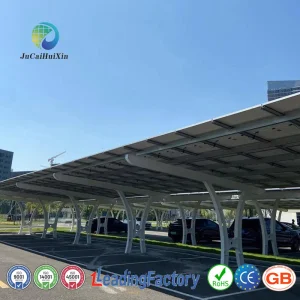
Require engineering load-calculations or localized price quotations for Malian custom projects?
Send Inquiry NowThe macroeconomic landscape of Sub-Saharan Africa, specifically within the Republic of Mali, is undergoing a massive paradigm shift toward localized energy security. Characterized by some of the planet's highest global horizontal irradiance (GHI) indicators—ranging consistently between 2,100 to 2,300 kWh/m²/year—Mali represents a premier environment for large-scale utility and distributed industrial solar generation. However, capturing this abundant resource demands structural engineering metrics that far exceed standard global baselines.
Mali's distinct geographic reality introduces severe environmental challenges. The northern and central territories are prone to the intensive Harmattan winds—a dry, dust-laden seasonal wind blowing directly from the Sahara, carrying high abrasive particulate matter. Concurrently, thermal fluctuations in mining and industrial hubs like Kayes, Sikasso, and Koulikoro see ambient tracking temperatures regularly surge past 45°C. These factors produce intense mechanical fatigue, accelerated galvanic degradation, and structural stress on solar racking configurations.
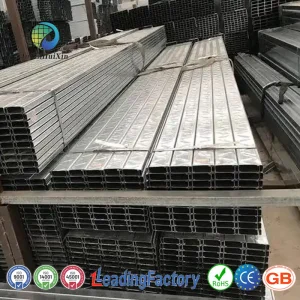
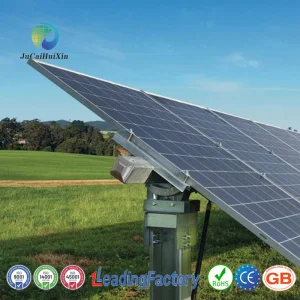
As dedicated manufacturers and direct exporters to Mali, we deliver specialized solar mounting frameworks specifically configured to neutralize these regional environmental risks. By deploying heavy carbon structural steels and marine-grade anodized aluminum compounds, our systems withstand intense environmental pressures while maintaining precise geometric alignment for tracking and fixed-tilt PV configurations across Mali's industrial sectors.
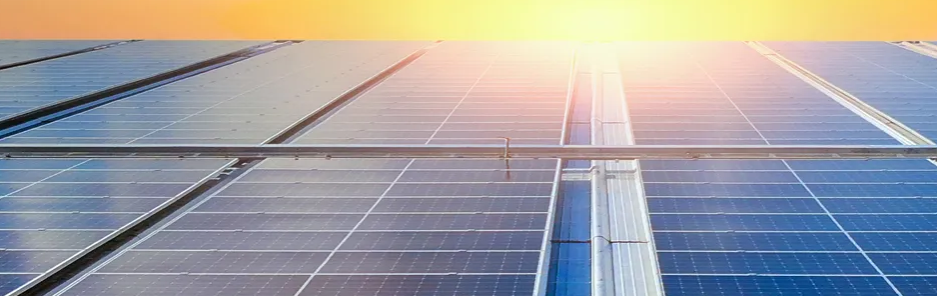
Deploying high-performance structural layouts designed to accommodate diverse terrains, agricultural microclimates, and remote heavy-industrial installations.

Our expansive market reach ensures that heavy structural materials pass seamlessly through international transport corridors directly into Mali's logistics networks. Our core products are widely exported and field-tested across demanding global jurisdictions, including the European Union, the United Kingdom, South Africa, Southeast Asia, Australia, New Zealand, Japan, and the Middle East. This multi-regional field experience provides us with unparalleled insight into local compliance frameworks and specialized shipping requirements.
Shipping large-scale structural steel and components to landlocked West African regions requires careful strategic oversight. Our logistics team handles every step of the process, organizing secure ocean freight container consolidation to key regional transit ports such as the Port of Dakar (Senegal) or the Port of Abidjan (Ivory Coast), combined with reliable overland freight transport along standard trade corridors straight into Bamako. All components are packaged using custom ocean-ready frameworks to protect against transit-induced friction and early galvanic oxidation during extended shipping schedules.
Deploying high-load structural frameworks and backup power arrays to secure operational reliability across diverse operating environments.
Before purchasing or designing utility-scale solar mounting structures for the Malian market, it is essential to conduct careful preliminary planning. Our global engineering department recommends establishing complete alignment on the following parameters to ensure optimal structural performance and system longevity:
By evaluating these parameters early, engineers can avoid premature component wear, cut unnecessary labor costs during installation, and build a highly dependable, durable clean energy foundation.
True energy independence in remote environments requires a balanced combination of rugged structural mounting frameworks and reliable energy storage architectures. Our organization, Changzhou HYBO New Energy Co., Ltd., specializes in the advanced production, design, manufacturing, and international sales of premium lithium battery energy storage systems.
Expanding steadily from residential energy storage solutions, we provide high-performance systems for commercial, industrial, and portable setups. We focus on developing robust lithium-ion battery configurations equipped with our proprietary advanced Battery Management System (BMS). These integrated products meet rigorous international standards and hold certifications from TUV, IEC, and CEC, ensuring complete reliability when paired with heavy-duty structural PV arrays in challenging environments.
By pairing high-load ground tracking systems with smart lithium storage solutions, operators can store excess daytime solar energy and deploy it reliably during peak evening hours or sudden grid outages, ensuring consistent, round-the-clock power across industrial and residential applications.
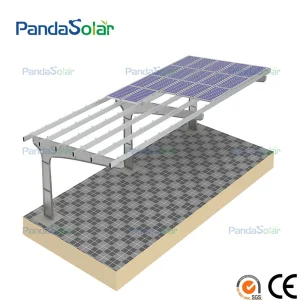
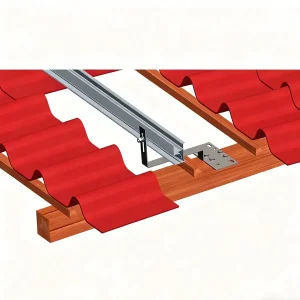
Heavy-duty structural configurations designed for long-term field stability, featuring advanced anti-corrosion treatments and flexible layout options.
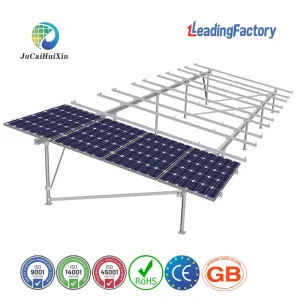
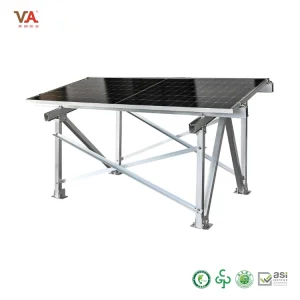
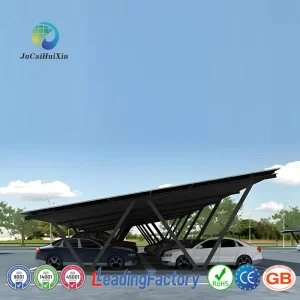
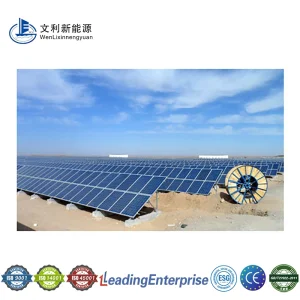
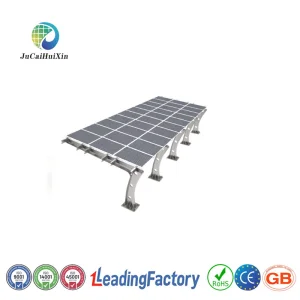
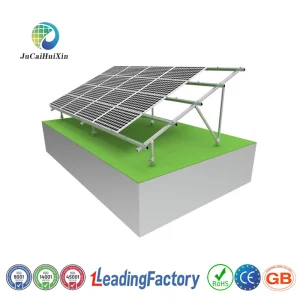
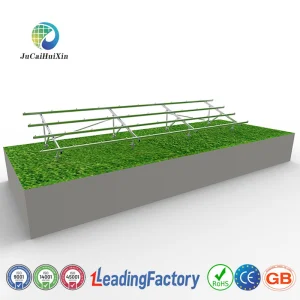
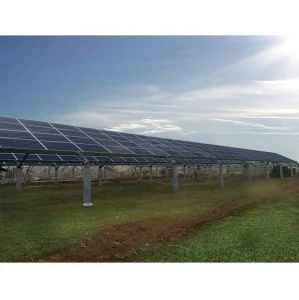
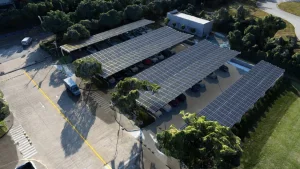
Evaluating technological advancements designed to lower structural weight, increase mechanical load tolerances, and improve installation speeds across Sub-Saharan energy networks.
As solar technologies evolve across Africa, structural racking designs must keep pace. Our technical development roadmap focuses heavily on introducing advanced, high-durability zinc-aluminum-magnesium coatings. These materials offer up to three times better self-healing protection against sand abrasion than standard galvanized steel coatings, making them ideal for arid, wind-swept environments.
Concurrently, we are integrating intelligent tracking systems that link directly with regional meteorological radar networks. When sandstorms or intense Harmattan winds are detected, these automated trackers shift panels into a secure horizontal stow mode, reducing wind load pressure and protecting the entire mechanical array from wind-driven debris.
In addition, we are standardizing modular pre-assembled components across our product lines. By shipping partially assembled joints directly to Malian job sites, we help developers shorten installation timelines, reduce on-site error rates, and quickly deploy reliable, high-yield clean energy infrastructure across remote locations.
On the electrical side, our engineering focus centers on building smart modular interfaces that bridge structural trackers with high-capacity battery networks. This integrated approach ensures seamless communication between active physical trackers and centralized energy management systems, optimizing real-time collection efficiency.
By investing in these combined material and software improvements, we provide long-term utility-grade protection that withstands harsh environmental conditions while delivering reliable, clean power to expanding communities and industrial operations across West Africa.
Direct engineering answers regarding material selection, environmental durability, and shipping procedures for industrial solar arrays in Mali.
Contact our senior engineering team today to receive specialized load calculations, customized component drawings, and factory-direct pricing for your West African clean energy installations.
Send Inquiry Now