 HYBO Energy
HYBO Energy
HYBO Energy
Engineered to support heavy-duty solar water pumps, microgrids, and load-balancing arrays under high thermal stress.
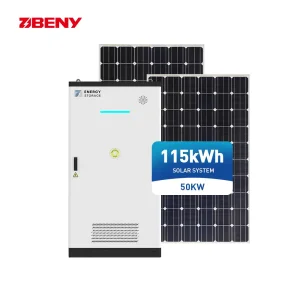
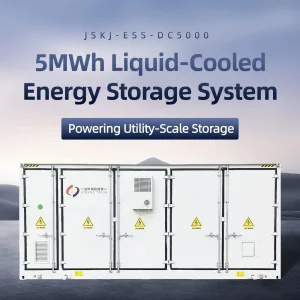
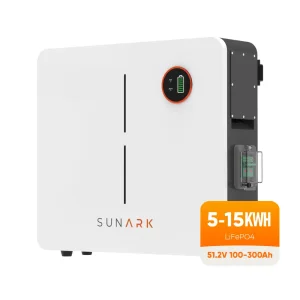
A detailed exploration of solar-powered water pumping and energy storage integration in Sub-Saharan Africa.
Namibia, characterized by its hyper-arid to semi-arid climate, experiences some of the highest solar irradiance profiles globally, exceeding 2,400 kWh/m² annually. However, the nation faces a dual crisis: a structural deficit in electrical grid penetration across expansive remote regions (such as the Kunene, Karas, and Otjozondjupa regions) and deep groundwater tables that require high-power extraction methods.
Traditionally, commercial livestock ranches, communal farming operations, and industrial mines have relied on expensive, carbon-intensive diesel generator sets. These systems carry high operational expenditures (OpEx) due to fuel transportation costs over unpaved desert roads and frequent mechanical maintenance. Transitioning to Solar Water Pumping (SWP) systems combined with Utility-Scale and Commercial & Industrial (C&I) Battery Energy Storage Systems (BESS) provides a solution. It eliminates fuel costs and ensures continuous water extraction even during cloud cover and nocturnal cycles.
Direct-drive solar pumps operate strictly on solar PV output, meaning water delivery rates fluctuate with solar irradiance. While this is acceptable for basic surface storage, modern agricultural operations require pressurized, consistent irrigation (such as drip or center-pivot systems) and deep-well submersible extraction where variable frequency drives (VFD) must maintain constant torque.
International EPC (Engineering, Procurement, and Construction) companies and local public entities (such as NamWater and the Ministry of Agriculture, Water and Land Reform) demand suppliers who offer more than just components. Procurement standards require system reliability under harsh environmental conditions: ambient temperatures reaching 45°C, high dust levels, and remote maintenance requirements.
To meet these needs, global exporters must supply systems that carry international certifications (such as IEC 62619, CE, TUV, and UN38.3) and incorporate remote monitoring telemetry. By utilizing integrated IoT gateways (supporting Modbus, CAN, and cellular linkages), engineers in Windhoek or international offices can monitor cell balance, state-of-charge (SoC), and thermal safety margins in real-time.
Changzhou HYBO New Energy Co., Ltd. specializes in the production, design, manufacturing, and sales of lithium battery energy storage products. Starting from household energy storage, we have expanded to small industrial, commercial, and portable energy storage fields. We develop and manufacture high-performance lithium-ion batteries tailored for residential energy storage systems, small industrial and commercial installations, and agricultural pump systems.
Our energy storage products rely on the company's proprietary advanced Battery Management System (BMS) and patented thermal runaway mitigation technologies. Our systems have passed strict international certifications, including TUV, IEC, and CEC, ensuring they meet the high safety and performance standards required in challenging operating environments like Namibia.

Our energy storage systems are deployed worldwide. We have built supply chains and service pathways supporting operations in the European Union, the United Kingdom, South Africa, Southeast Asia, Australia, New Zealand, Japan, and the Middle East.
This global footprint allows us to understand localized grid compliance, high-temperature environmental challenges, and transport logistics. Our products deliver reliability, stable cycle life, and responsive technical support for mining operations, municipal water supply networks, and isolated agricultural microgrids.
Providing reliable power in locations far from the main grid, supporting exploration teams, remote maintenance, and emergency services.
Prior to procuring battery systems or portable power stations, it is essential to calculate target power parameters. Determine cumulative wattage draw, evaluate starting surge current demands, estimate continuous hours of runtime needed, and analyze local solar profiles (solar insolation curves) to size PV arrays for replenishment during winter and summer solar cycles.
Explore our range of rack-mount modules, high-voltage battery banks, and containerized microgrid systems optimized for NamPower and agricultural off-grid operations.
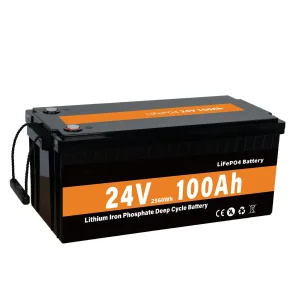
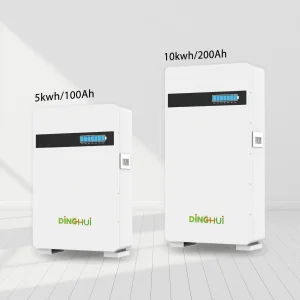
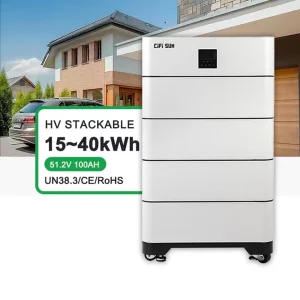
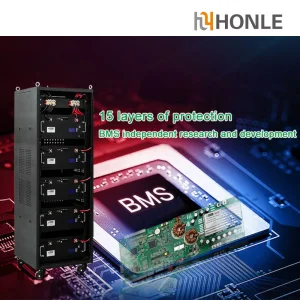
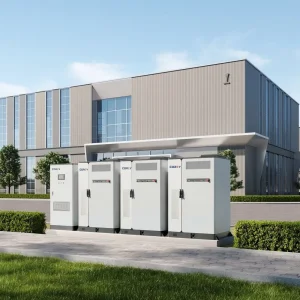
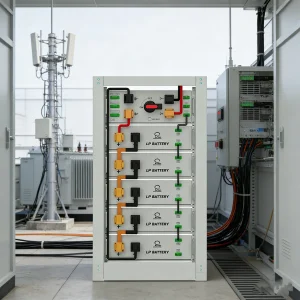
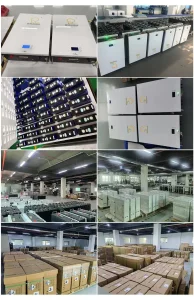
Our strategic vision for off-grid operations in extreme dry climates.
Standard lithium-ion chemistries experience rapid capacity fade when exposed to operating temperatures above 35°C. In the Namib desert, surface enclosures can reach interior temperatures above 50°C.
To address this, our systems utilize Lithium Iron Phosphate (LiFePO4) chemistry. This structure provides thermal stability, preventing oxygen release and thermal runaway up to 60°C. We integrate active liquid cooling configurations that keep cell-to-cell temperature gradients within <3°C, extending system lifespans to over 6,000 charge cycles.
We ensure all utility-scale and microgrid systems align with regional standards. Our designs comply with SANS 10142-1 (wiring standards) and SABS regulations, and meet NamPower grid-code interconnection rules.
This compliance simplifies engineering reviews and speeds up municipal approvals for large agricultural projects, public-private partnerships, and industrial operations in Namibia.
Clear answers to technical inquiries regarding energy storage and solar pumping systems in the Namibian market.
LiFePO4 (Lithium Iron Phosphate) offers higher thermal stability, chemical safety, and a longer life cycle. Ternary NMC chemistries carry a higher risk of thermal runaway at elevated temperatures, making LiFePO4 safer and more reliable in hot environments like the Kalahari or Namib deserts.
Liquid cooling systems circulate cooling fluid directly past cell walls. This design removes heat up to three times faster than air-cooled systems, maintaining cell temperatures below 35°C even when outside temperatures reach 45°C. Air cooling can struggle in high-dust areas, as sand can clog intake filters and cause hot spots.
Yes. Our commercial and industrial BESS solutions include hybrid energy management controllers. These controllers coordinate solar inputs, battery storage, and diesel generator startup, running generators only when batteries are depleted and solar output is insufficient. This hybrid configuration can reduce diesel fuel consumption by up to 85%.
Our manufacturing processes and battery systems hold TUV, IEC 62619, IEC 63056, CE, and CEC approvals. These certifications verify compliance with safety, performance, and environmental standards, meeting the technical requirements for municipal and industrial tenders in Namibia and South Africa.