
1 / 5
 HYBO Energy
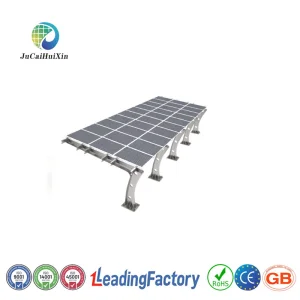
There are primarily 3 kinds of solar roof projects based on the design and integration of solar panels into the roofing system:
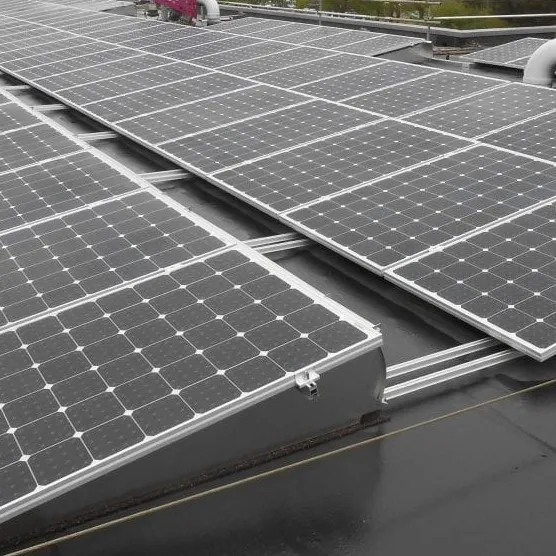
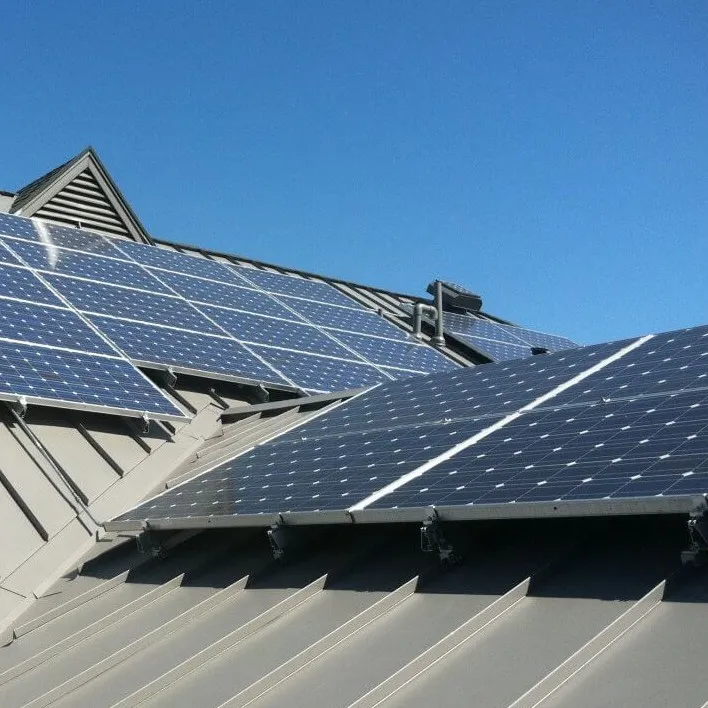
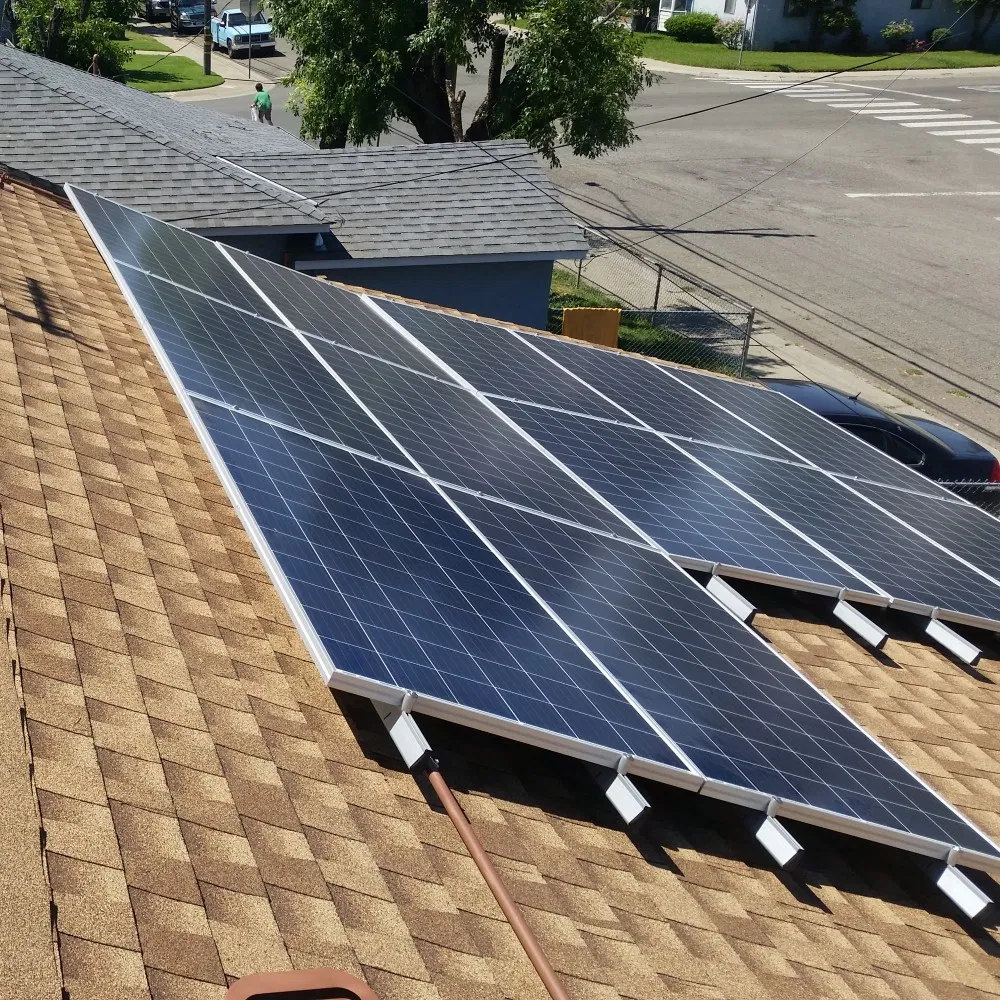
The solar panels are mounted on racks or frames that are attached to the roof's surface. (eg. concrete flat roof) The installation process typically includes securing the panels, connecting them to the electrical system, and ensuring proper wiring and grounding. Solar panel retrofits are a popular option for residential and commercial buildings with sufficient roof space and suitable structural conditions (e.g. metal roof).
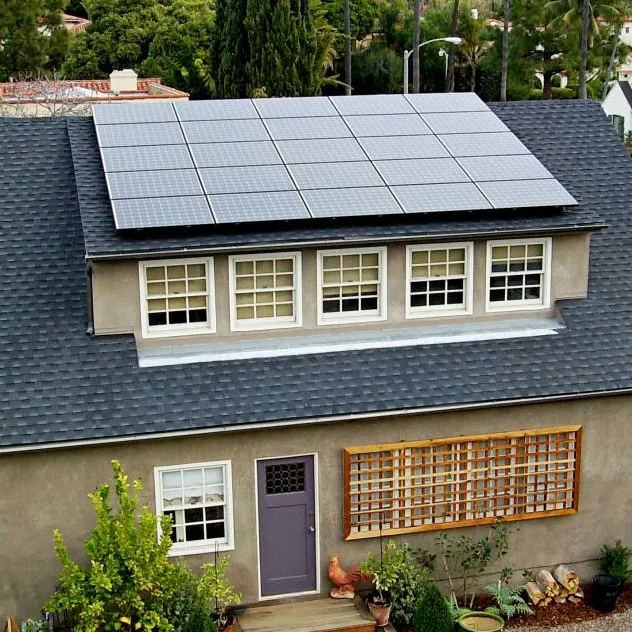
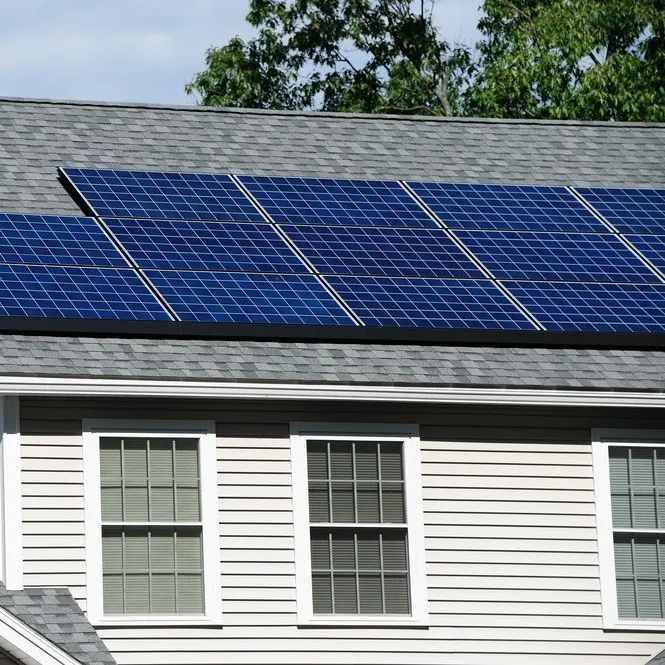
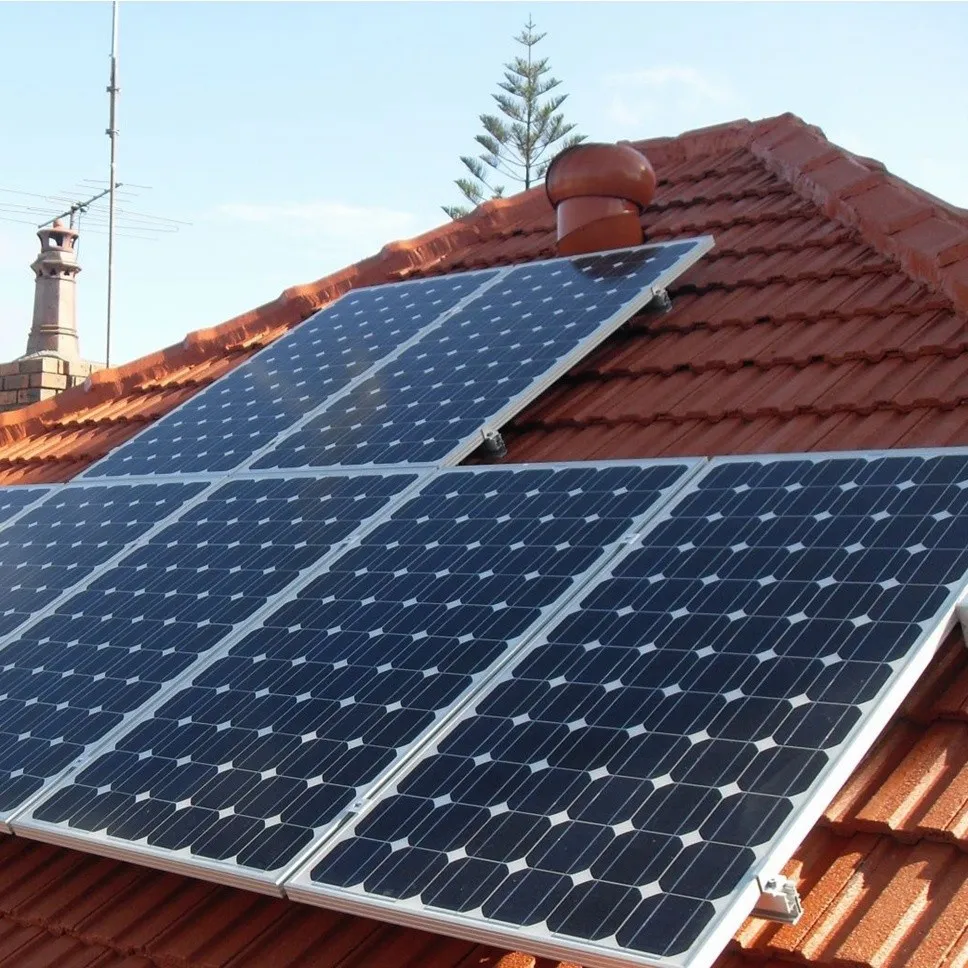
Solar shingles or tiles are designed to resemble traditional roofing materials, such as asphalt shingles or clay tiles, while incorporating solar energy generation capabilities. These specialized roofing materials have solar cells embedded within them, allowing them to generate electricity.
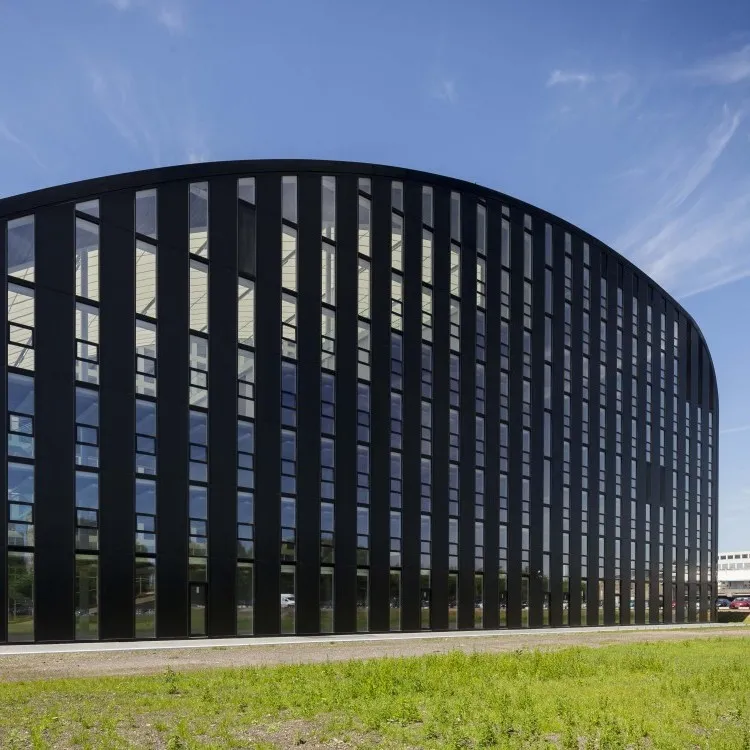
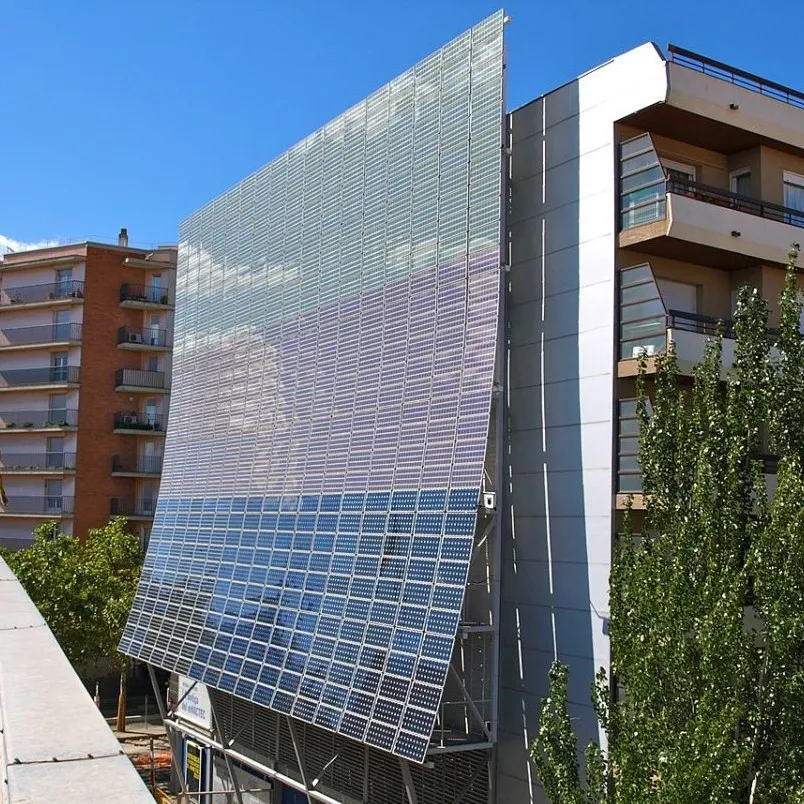

BIPV refers to the integration of solar panels or modules directly into the building envelope, replacing conventional building materials like windows, facades, or skylights. The solar panels are designed to serve both as energy generators and structural elements.
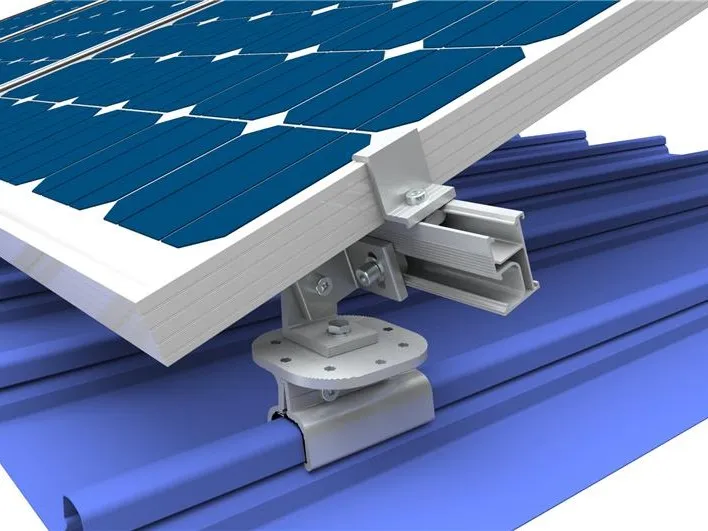
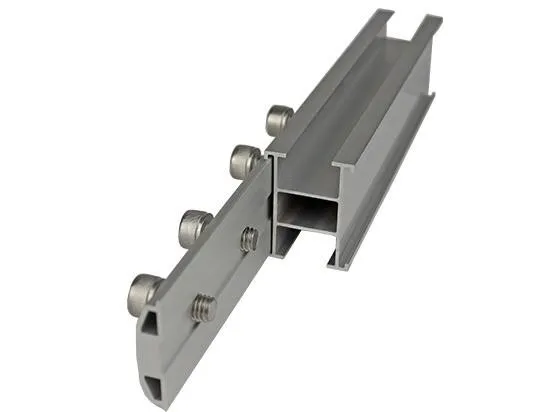
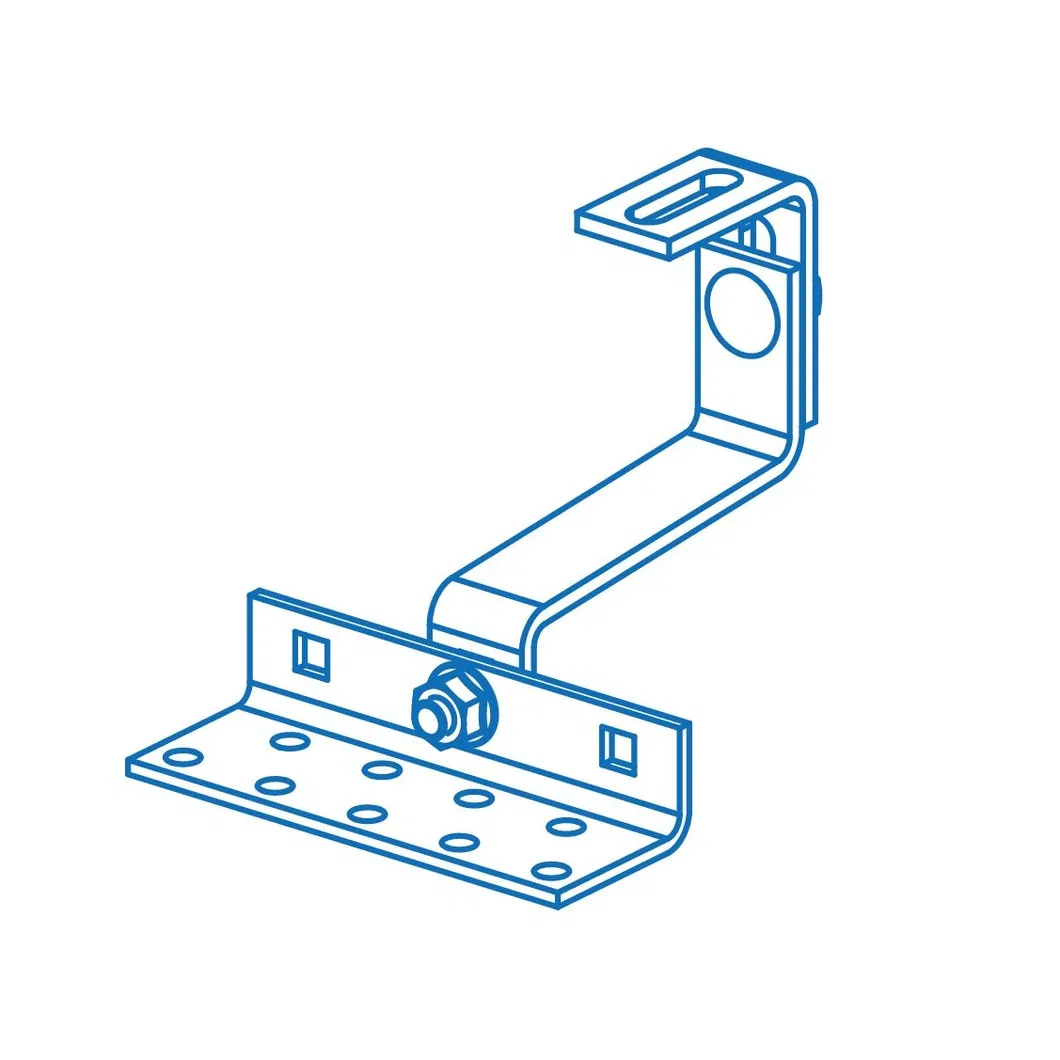
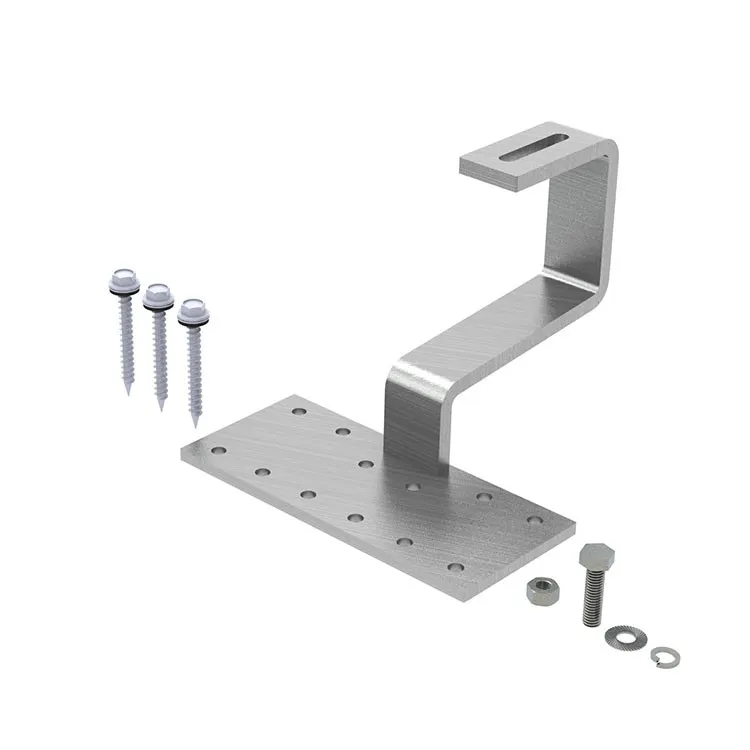
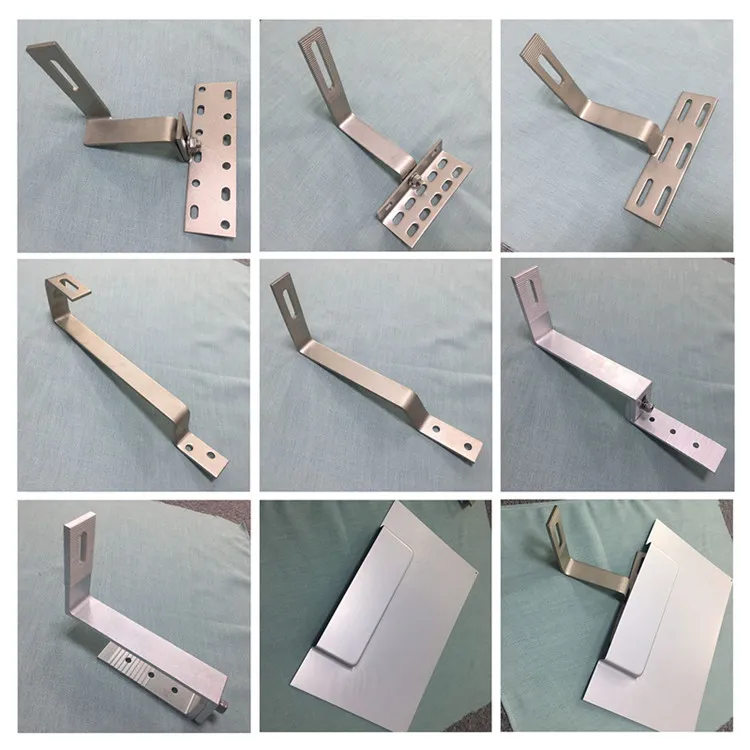
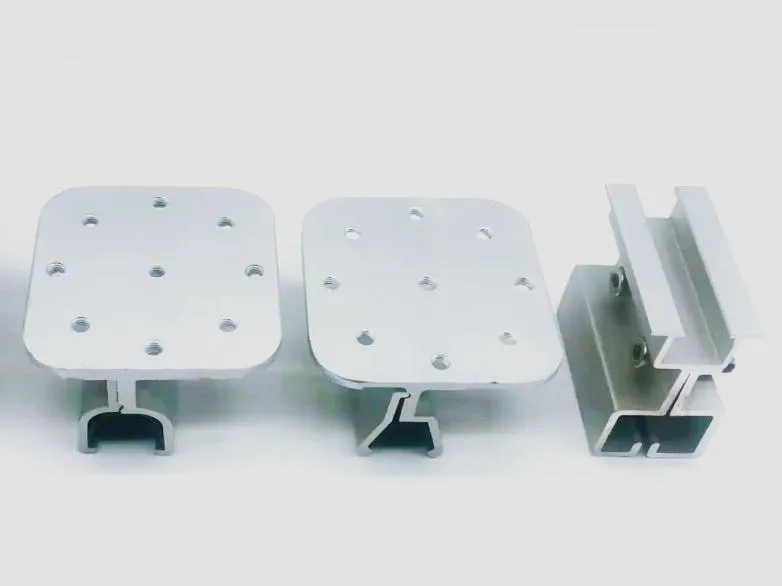
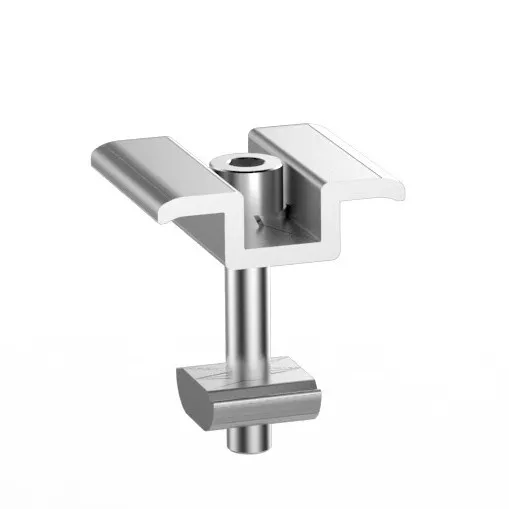
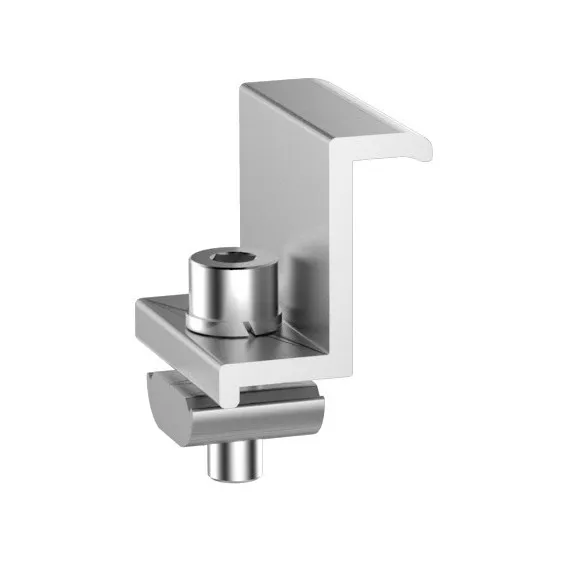
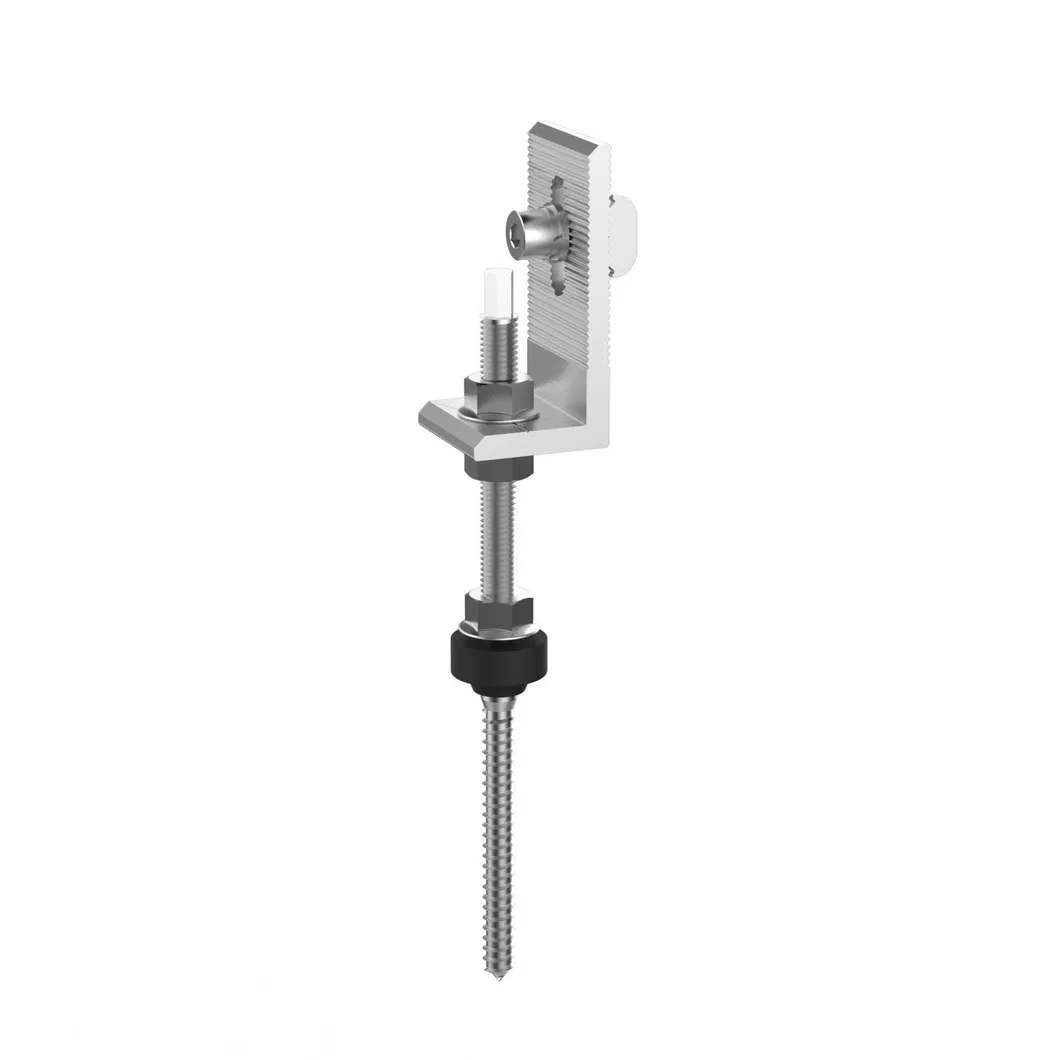
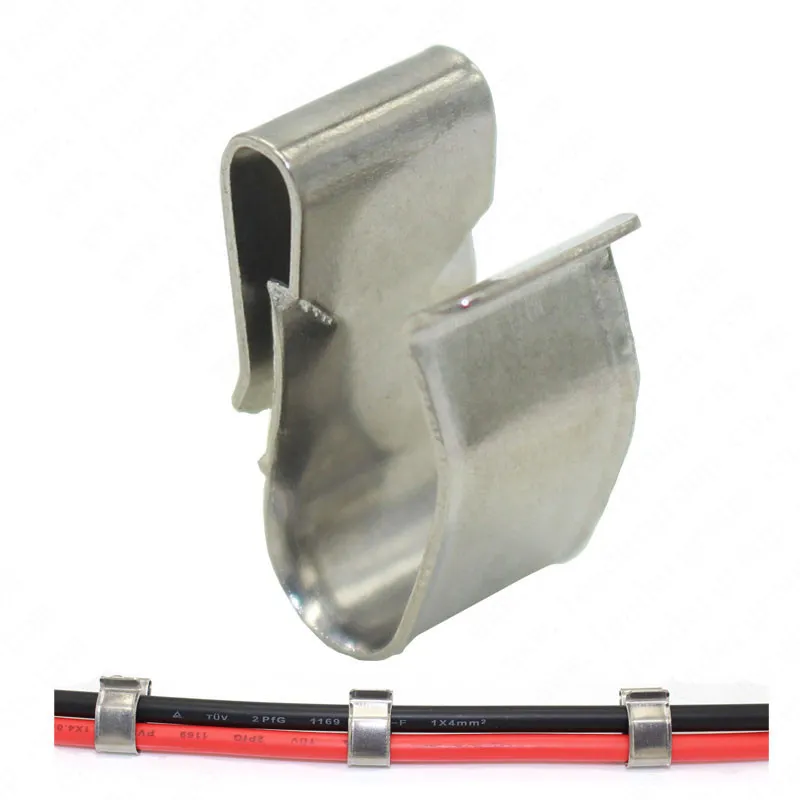
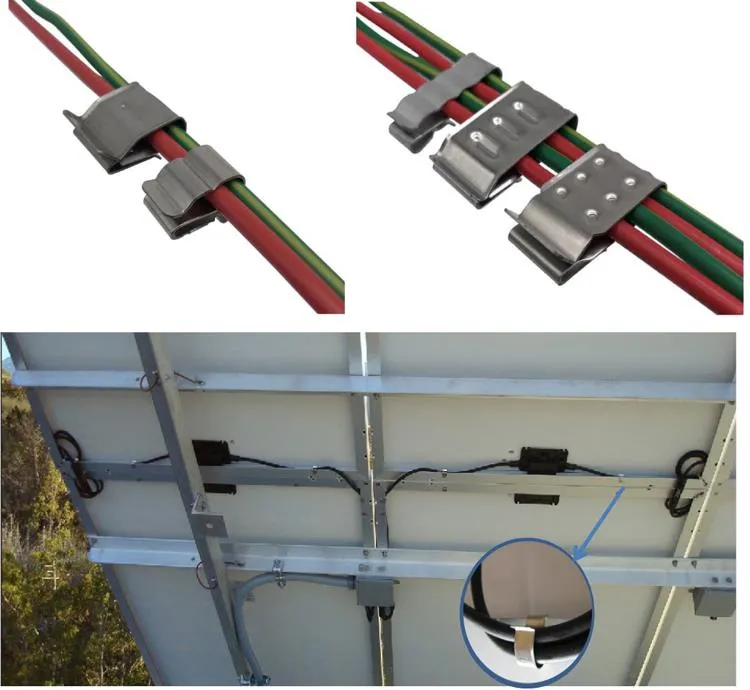
| Mount Type | Customized mounting system |
| Standard | AS/NZS 1170 |
| Applicable Module | Framed or frameless panel |
| Wind load | Up to 218mph (60m/s) |
| Snow load | Up to 30psf (1.4KN/m2) |
| Width of solar module | 751 ≤ A ≤ 1313 mm |
| Thickness of solar module | 30-50 mm |
| Adjustable angle range | 15~50° |
| Material | Aluminum alloy 6063 T5 |
| Warranty | 10 years |
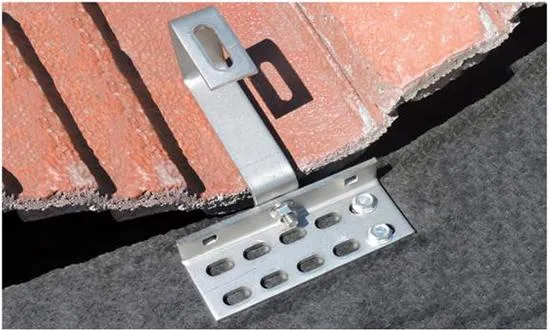
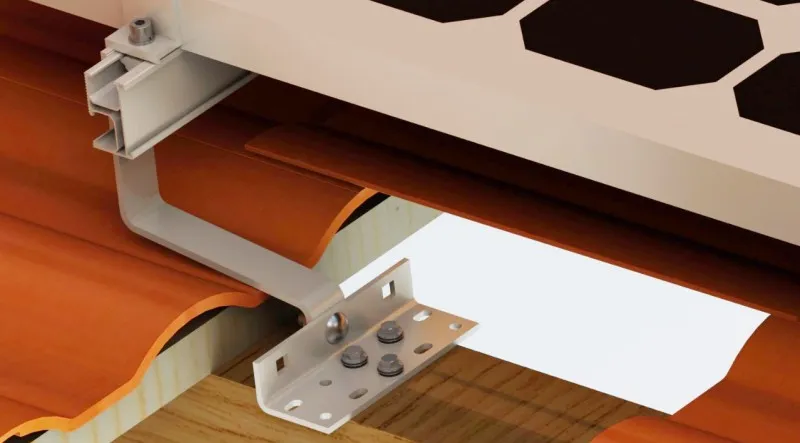
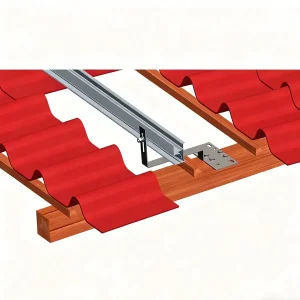
Preparation & Assessment: Gather tools and safety gear. Inspect roof for orientation and sunlight. Mark spots for hook installation and drill holes using appropriate bits into rafters.
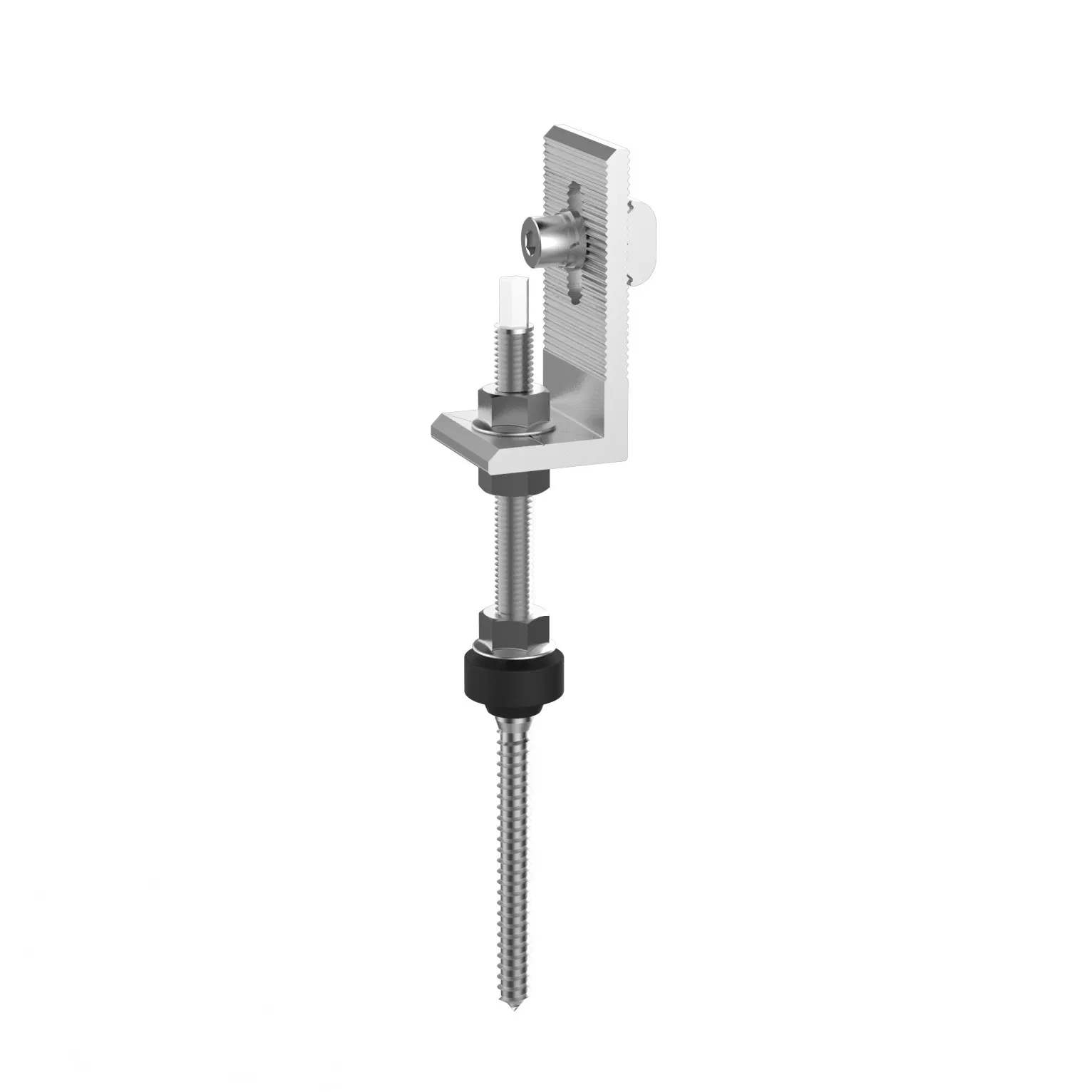
Attachment & Sealing: Install anchors if needed. Attach solar hooks and tighten securely. Apply waterproof flashing and sealant around the base of each hook to prevent leaks. Perform final alignment checks.