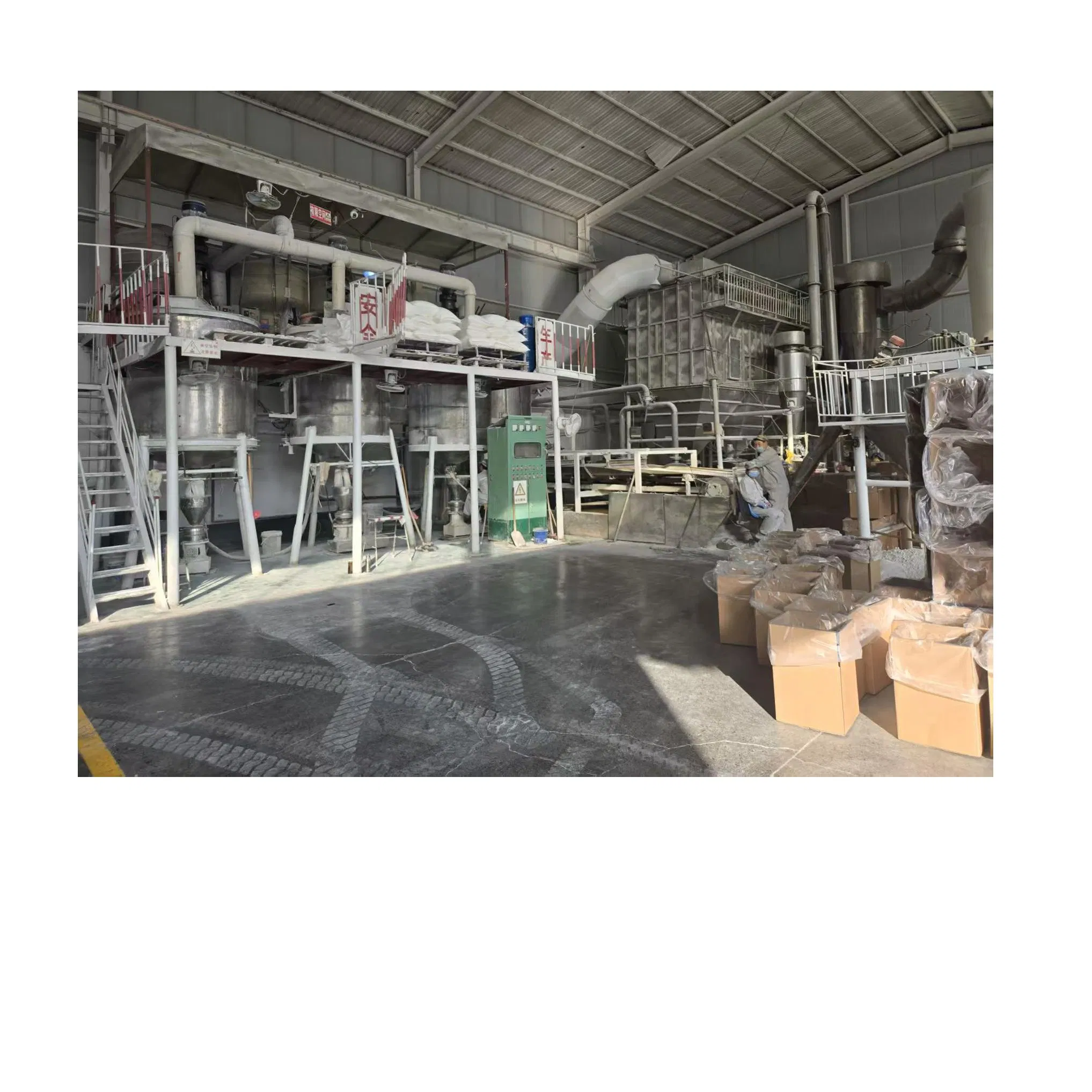
HYBO Energy HYBO Energy

Reliable Green Building Materials for Waterproofing and Sealing Needs

Still deciding? Get samples of $ !
Order Sample

Product Description

Basic Information

Model NO.
QL-6
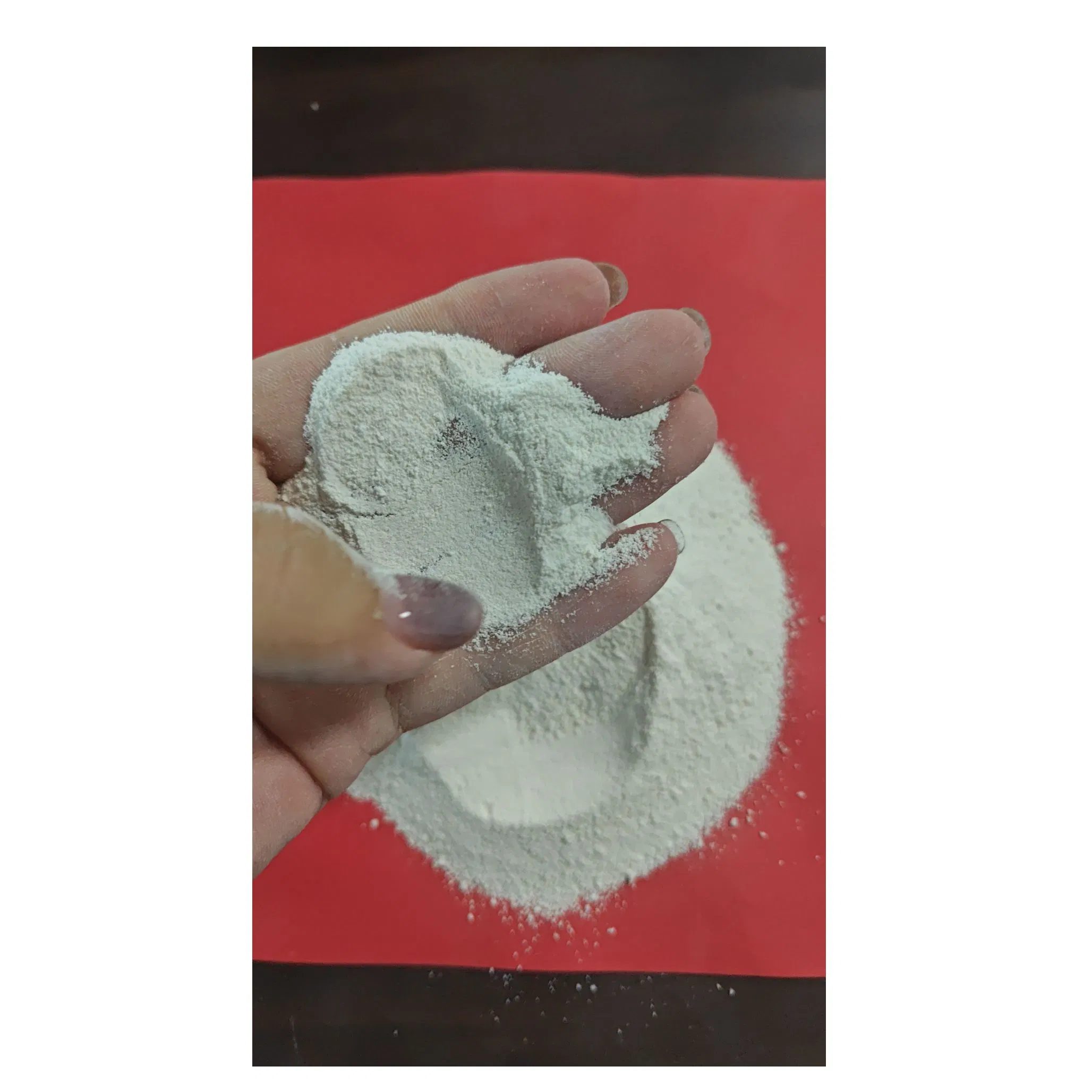
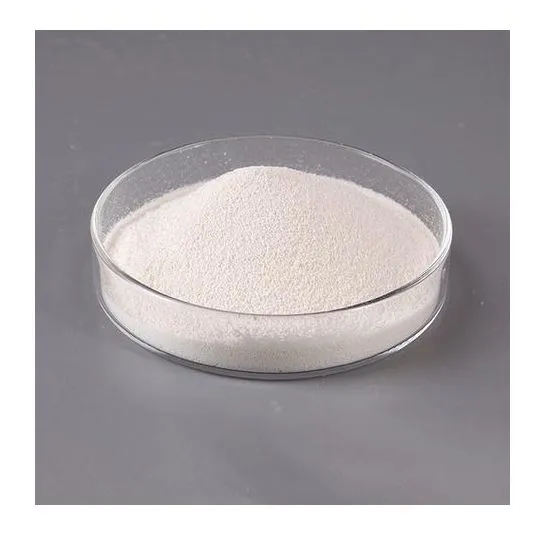
Appearance
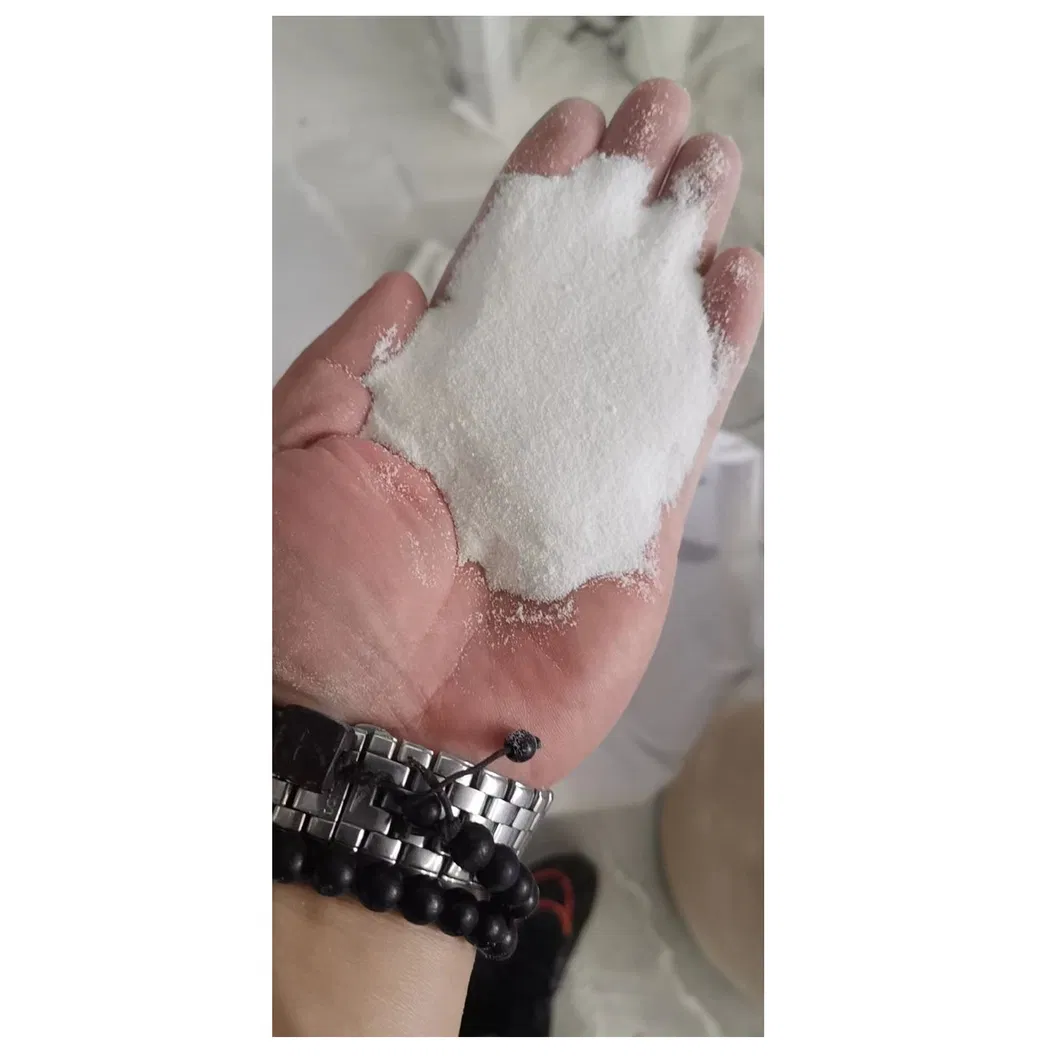
Powder
Form
Powdered Rubber
Chlorine Content
20%-50%
Chemical Property
Ozone Resistance, Chemical Corrosion Resistance
Character
Maintain Flexibility at -30℃
Particle Size
20-80 Mesh
Production Capacity
22000 Tons/Year
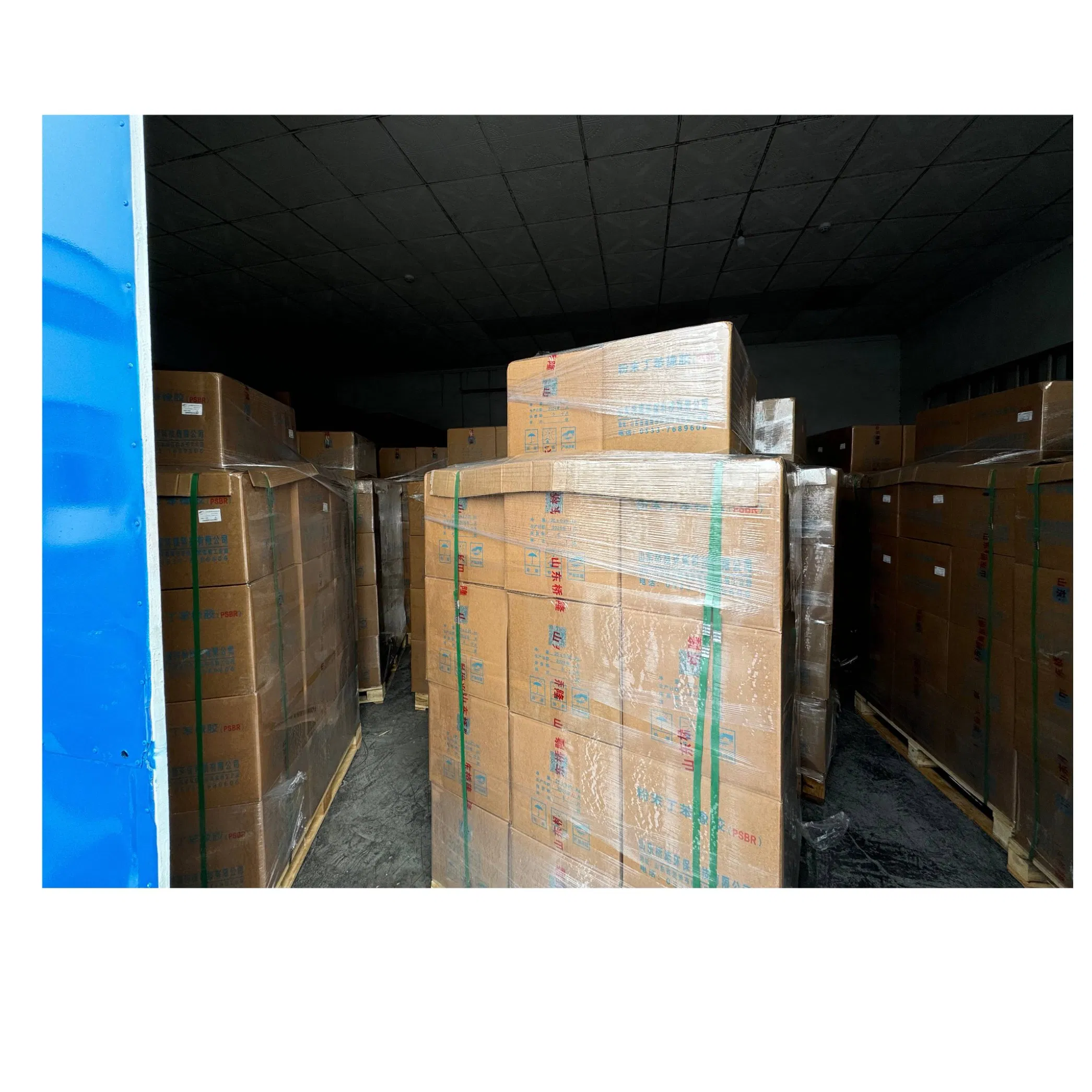
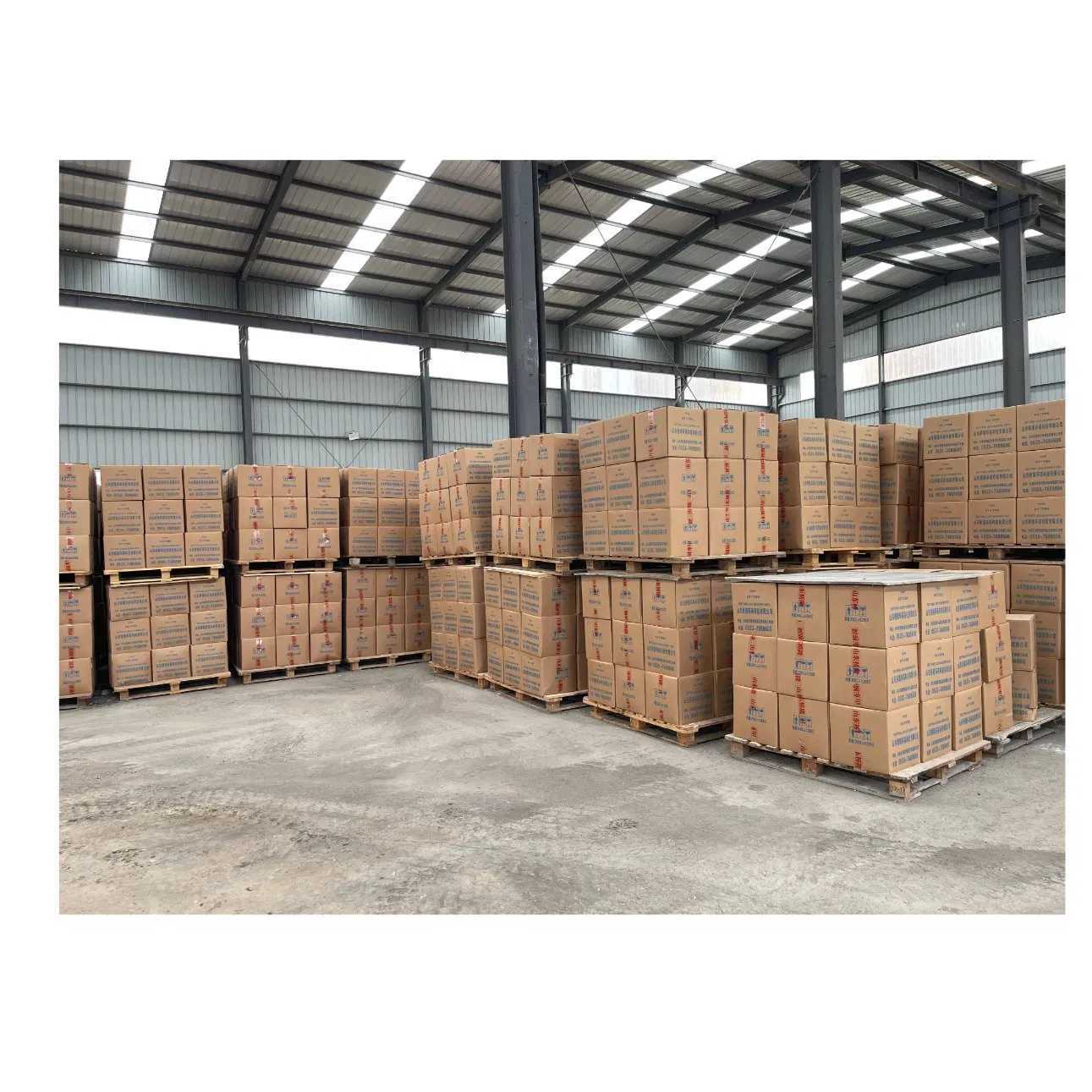
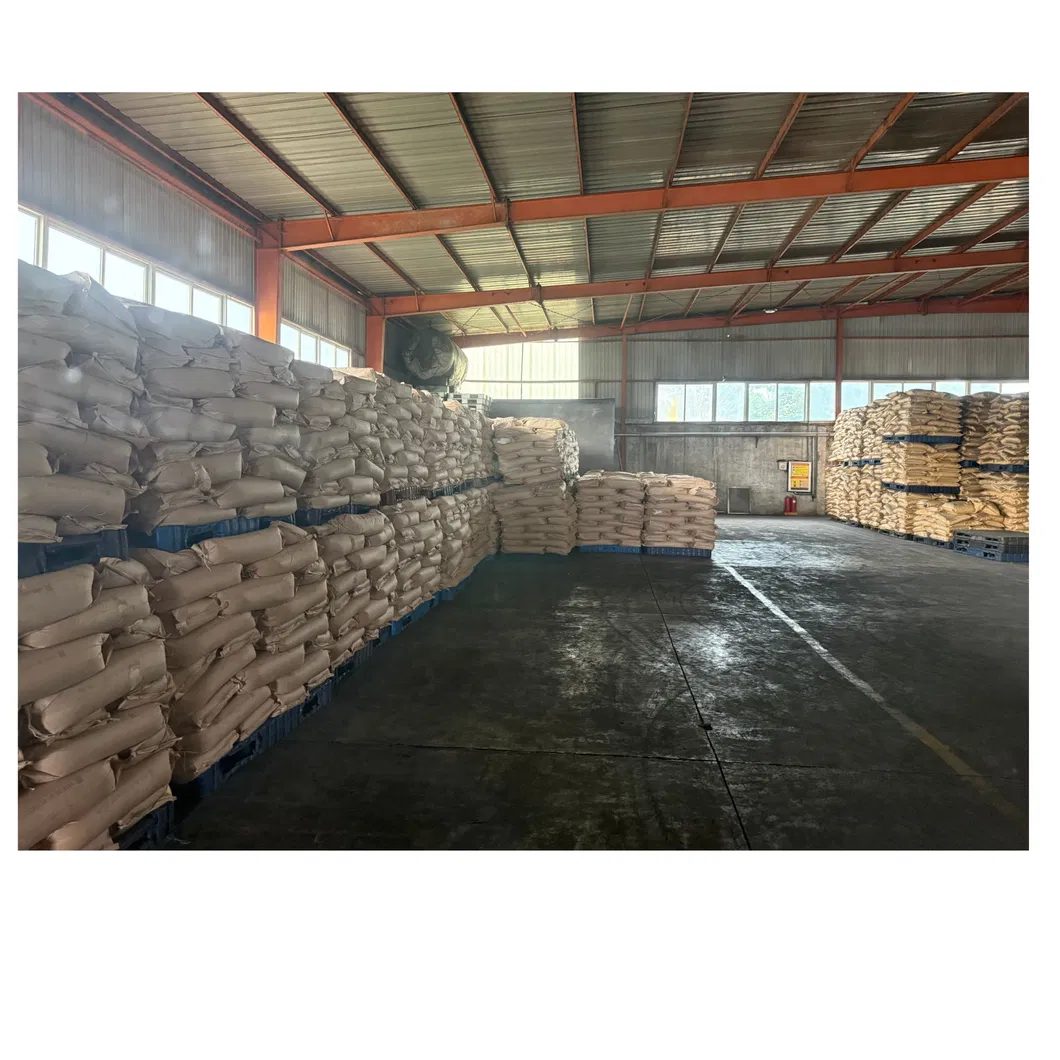
Package Specification
20KG Box
Origin
China

Packaging & Delivery

Package Size
37.00cm * 37.00cm * 37.00cm
Gross Weight
2.000kg

Product Description

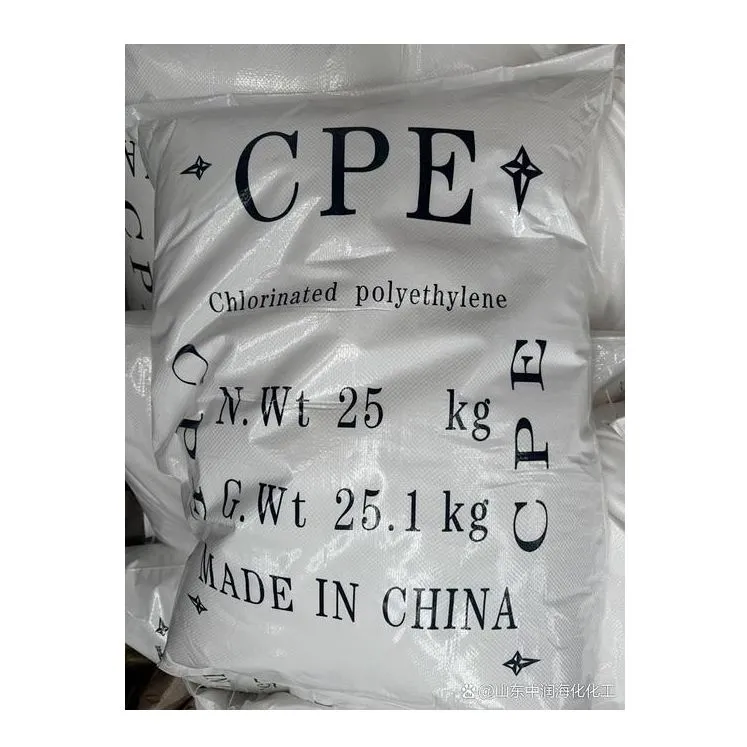
Chlorinated polyethylene (CPE) is a high-molecular material made by chlorinating high-density polyethylene (HDPE). It features excellent weather resistance, ozone resistance and flame retardancy, and is widely used in plastics, building materials and cable sheaths, etc.

Key Characteristics

  • Appearance: White powder or granules, non-toxic and odorless.
  • Chlorine Content: Usually between 20% and 50%. Higher content improves flame retardancy.
  • Heat Resistance: Remains flexible at -30ºC with high thermal stability.
  • Chemical Resistance: Excellent resistance to various chemicals, oils, and ozone.
  • Production Method: Produced via chlorination reactions (solution, gas-phase, or water-phase suspension).

Industrial Applications

Plastic Modification: Used as an impact modifier for PVC to improve weather and impact resistance in pipes, doors, and windows.

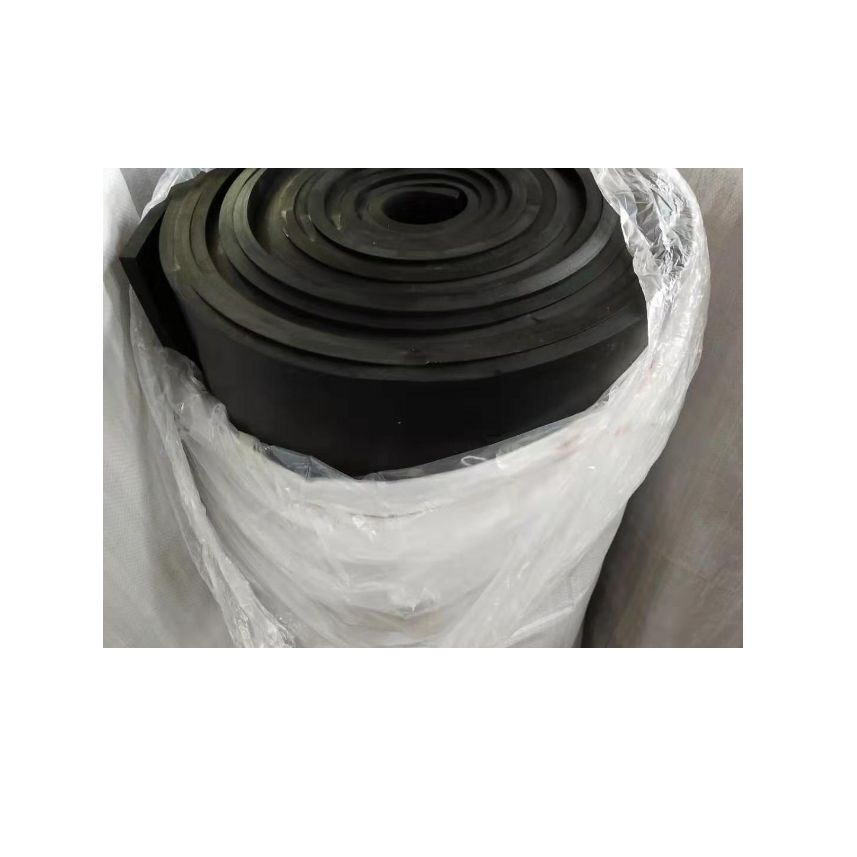
Rubber Industry: Functions as high-performance special rubber; can be blended with other rubbers to enhance material performance.

Building Materials: Widely applied in waterproofing membranes and sealing strips, meeting green building standards.

Wire and Cable: Ideal for mining cables and automotive parts due to heat resistance and flame retardancy.
Product Gallery

Technical Specifications

Chlorine Content 20%-50%
Chemical Properties Ozone resistance, chemical corrosion resistance, oil resistance, flame retardancy and colorability
Character Maintain flexibility at -30ºC
Frequently Asked Questions
1. What is Chlorinated Polyethylene (CPE)?
CPE is a high-molecular material produced by the chlorination of high-density polyethylene (HDPE). It is known for its excellent resistance to weather, ozone, and chemicals.
2. What are the primary uses of CPE in the plastic industry?
It is primarily used as an impact modifier for PVC, enhancing the durability, weather resistance, and impact strength of products like pipes, profiles, and window frames.
3. Does CPE offer good thermal performance?
Yes, CPE remains flexible even at temperatures as low as -30ºC and exhibits high thermal stability during processing and application.
4. How does chlorine content affect the material?
The chlorine content typically ranges from 20% to 50%. Generally, a higher chlorine content improves the flame retardancy and oil resistance of the material.
5. Is CPE resistant to chemicals and environmental factors?
Absolutely. CPE provides superior resistance to ozone, various chemicals, oils, and aging, making it suitable for harsh industrial and outdoor environments.
6. What type of cables can use CPE as a sheath?
CPE is widely used for mining cables, hydraulic hoses, and wires specified in UL and VDE standards due to its non-toxic and flame-retardant properties.

Related Products