HYBO Energy
HYBO Energy
HYBO Energy
High-fidelity educational models, advanced protection modules, and primary infrastructure mounting for global DER integration.
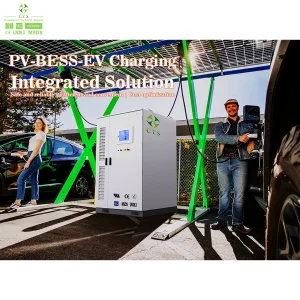
The global energy paradigm is undergoing a structural decentralization. Traditional, centralized power grids face unprecedented vulnerabilities due to geopolitical instability, extreme weather conditions, and escalating peak demands. In response, Distributed Energy Resources (DERs)—consisting of rooftop solar arrays, localized battery storage systems (BESS), smart EV charging hubs, and dynamic microgrids—have emerged as the definitive solution for grid modernization.
According to current market intelligence, the global deployment of DERs is projected to triple by 2030, driven by aggressive decarbonization mandates and the pursuit of energy autonomy. Modern enterprises are no longer mere energy consumers (ratepayers); they are actively transitioning into prosumers. By generating, storing, and managing energy locally, commercial and industrial entities can hedge against utility price hikes, capitalize on grid ancillary services, and guarantee absolute continuity of operations.
"The integration of localized storage systems paired with intelligent Battery Management Systems (BMS) forms the cornerstone of next-generation virtual power plants (VPPs)."

How procurement offices navigate the complex variables of grid edge compliance, functional safety, and lifecycle optimization.
Global procurers look beyond battery chemistry. The priority is integration capability: systems must seamlessly communicate via Modbus, CAN Bus, or IEC 61850 protocols with existing building management networks. Standardized certifications (IEC 62619, CE, TUV, CEC) are critical bottlenecks in target markets like Europe, Australia, and North America.
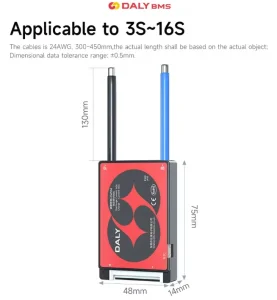
Thermal runaway risks are the primary blocker in industrial storage approval. Procurement teams prioritize suppliers that incorporate intelligent Battery Management Systems (BMS) with active balancing, individual cell monitoring, and advanced localized cooling designs to maximize safety and preserve battery health across 6000+ duty cycles.
Calculations for levelized cost of storage (LCOS) require durability and minimal degradation. High efficiency rates (round-trip efficiency > 95%) and predictable multi-year degradation trajectories are critical for commercial projects to reach target returns within the first 3-5 years of installation.
Located in the heart of China's advanced battery technology cluster in Jiangsu, Changzhou HYBO New Energy Co., Ltd. represents the standard of Factory 4.0 implementation. We specialize in the R&D, design, manufacturing, and global distribution of lithium battery energy storage systems (BESS). Our product portfolio extends from high-performance residential batteries to small-scale commercial and industrial storage platforms, and portable power solutions.
By relying on our proprietary advanced Battery Management System (BMS) and self-developed balancing technologies, our manufacturing line integrates continuous quality validation loops. Automation ensures high cell consistency, which reduces failure rates and increases system life expectancy. Our manufacturing structures are certified under major international standards, including TUV, IEC, and CEC, giving our global clients the confidence of verified, secure operations.
From sourcing high-purity LiFePO4 cells to executing dynamic cell matching, HYBO's supply chain is resilient against raw material price shocks. This guarantees stable production capacity and consistent delivery timelines for our global distribution network.
How we integrate smart hardware with cloud diagnostics to protect your infrastructure investment.
Our self-developed BMS features active balancing technology to ensure uniform cell voltage, reduce thermal stresses, and extend operational lifespans by up to 30% compared to generic passive architectures.
Our manufacturing and system assemblies comply with CE, UN38.3, TUV, and IEC. This ensures trouble-free permitting, rapid local installation, and compatibility with commercial insurance requirements.
Ready for integration with local photovoltaic, wind, or auxiliary diesel networks. The systems support advanced load peak-shaving, frequency response, and backup power transitions.
Equipped with intelligent convective cooling systems that monitor thermal profiles at the individual cell level, preventing localized heat build-up and ensuring safe operation under harsh ambient conditions.
From heavy field industries to emergency residential grids: how our systems deploy under challenging conditions.
Use Cases: Construction sites, remote extraction zones, agricultural irrigation, and emergency response teams.
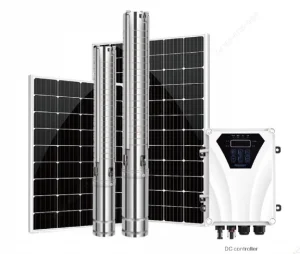
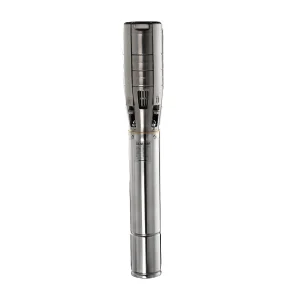
Deploying heavy-duty solar pumping systems (such as stainless-steel solar borehole pumps) alongside portable units allows field workers to maintain base camps, charge hand tools, power critical telemetry, and supply continuous water without relying on localized diesel fuel logistics.
Use Cases: Peak-shaving for high tariff zones, off-grid cabins, and backup power during major grid outages.
Our residential energy storage arrays connect directly to existing rooftop solar, using smart control systems to charge during solar peaks and discharge during peak tariff periods. In the event of grid failure, the system transitions to backup power in milliseconds, keeping critical medical devices, appliances, and HVAC units running.
Use Cases: RV overland living, outdoor film productions, geological surveying, and medical transport vans.
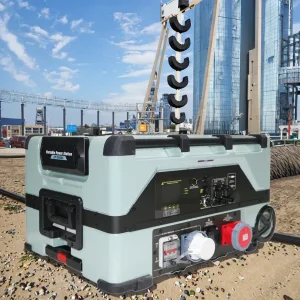
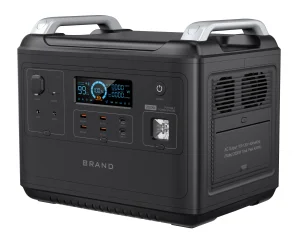
High-capacity portable power systems allow users to transport off-grid energy anywhere. These systems recharge using standard AC outlets, vehicle alternators, or portable solar panels, providing grid-like AC outputs for high-draw equipment, outdoor events, and remote fieldwork.
Key considerations to review before purchasing industrial or commercial storage units.
Prior to choosing a storage system, calculate your average baseline load, transient starting surge current requirements (often caused by large electric motors or compressors), and expected runtime targets. For utility cost savings, review localized grid tariffs to see if peak-shaving, demand-charge reduction, or dynamic load-shifting offers the best return on investment.
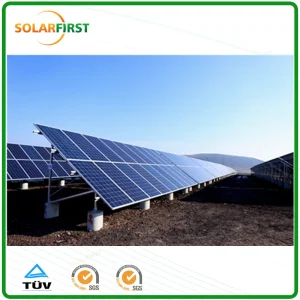
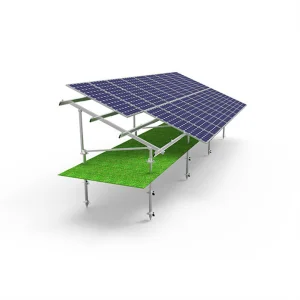
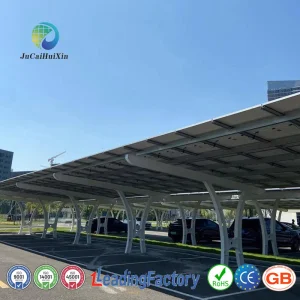
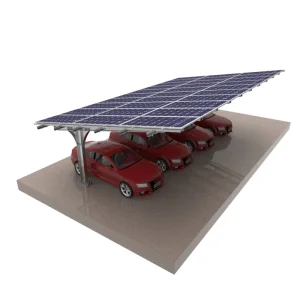
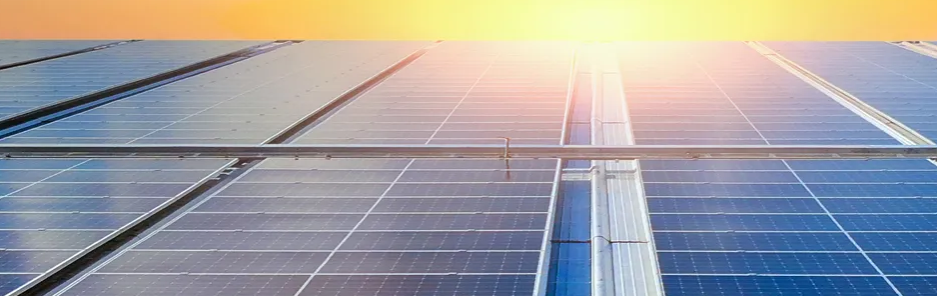
Verify that your ground-mounted solar structures or solar carports are aligned to capture maximum solar radiation. The solar recharge rate must balance the daily consumption rate of the storage batteries. Installing the correct solar racking angles and using high-efficiency solar pumps ensures consistent system performance even during periods of low sunlight.
Passive balancing dissipates excess energy from high-voltage cells as heat through resistors, wasting power and increasing thermal stress inside the battery pack. Active balancing transfers energy from higher-voltage cells to lower-voltage cells. This dynamic transfer reduces heat, improves system round-trip efficiency, and ensures maximum usable battery capacity.
Industrial facilities often pay utility charges based on their highest power demand during peak hours. The storage system monitors building consumption, discharging battery power during peak demand periods to cap consumption from the grid. This lowers peak demand charges and shifts consumption to lower-cost off-peak hours.
Solar arrays are exposed to weathering, wind shear, and corrosion. Using anodized aluminum alloys or hot-dip galvanized C-type steel prevents rust, maintains structural integrity under heavy wind and snow loads, and ensures structural support matching the 25-year service life of modern PV panels.
Safety is maintained through multiple layers of protection: using thermally stable LiFePO4 chemistry, integrating cell-level pressure release vents, incorporating independent temperature sensors, and utilizing a smart BMS that can isolate individual cells or sub-modules if voltage or temperature values exceed safe limits.
Yes, our portable power stations are built with integrated Maximum Power Point Tracking (MPPT) charge controllers. They accept direct DC inputs from solar panels, allowing them to serve as clean backup power sources or mobile off-grid generators.
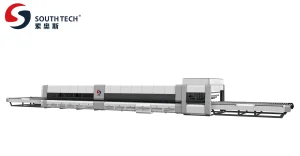
High-performance battery systems, intelligent active balancers, durable solar carports, and industrial glass processing systems.