HYBO Energy
HYBO Energy
HYBO Energy
Discover how advanced energy storage, high-efficiency hybrid inverters, and key building materials form the backbone of next-generation solar thermal and water heating designs.
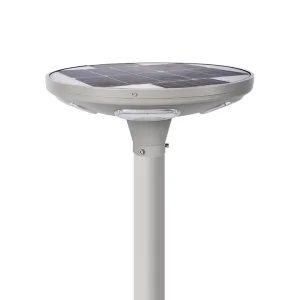
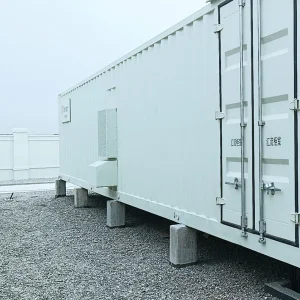
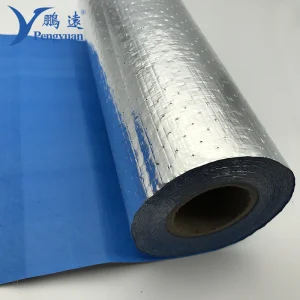
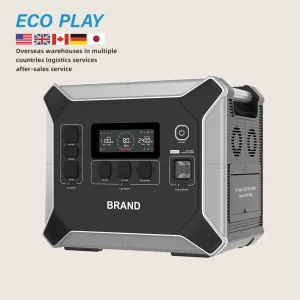
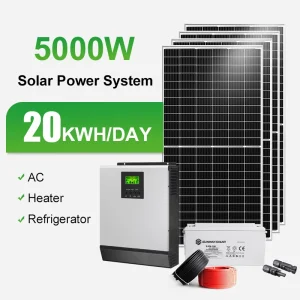
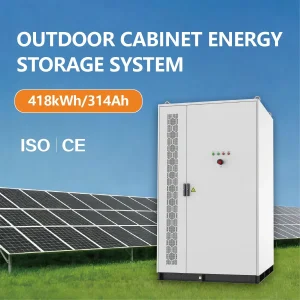
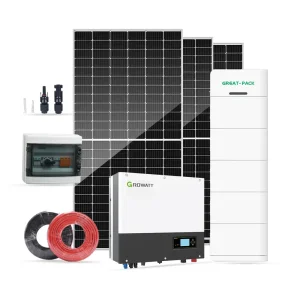
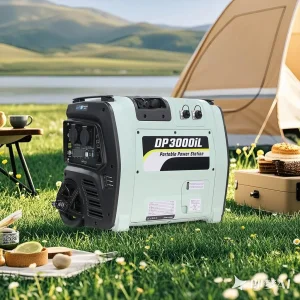
As the international commercial sector moves toward net-zero emissions, the demand for clean utility solutions has surged dramatically. Traditional water heaters rely heavily on fossil fuels or standard electric grids, introducing massive operational costs and high carbon footprints. A solar-coupled tankless water heating configuration offers direct decarbonization, heating water instantly on-demand without the static standby energy loss associated with conventional storage tanks.
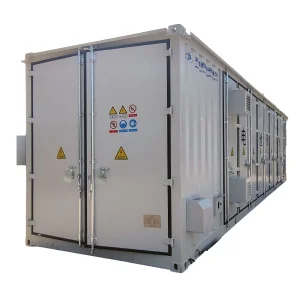
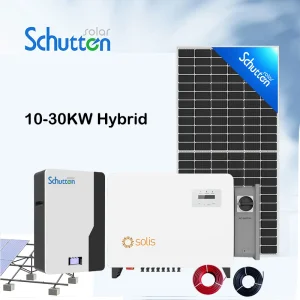
Globally, sectors such as hospitality, food processing, agriculture, and construction camps are pivoting to decentralized hybrid solar networks. By marrying high-power solar thermal collectors or photovoltaic (PV) arrays with electric tankless technology, businesses reduce peak load draw. To secure true energy independence, these dynamic operations incorporate commercial-scale battery energy storage systems (BESS) to smooth out natural solar intermittency and protect local heating grids.

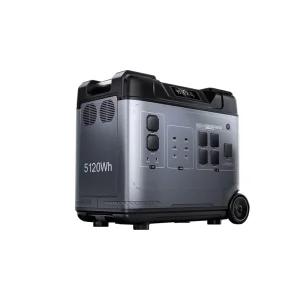
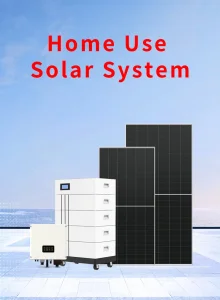
Changzhou HYBO New Energy Co., Ltd. specializes in the production, design, manufacturing, and sales of lithium battery energy storage products. Starting from household energy storage, our engineering team has systematically expanded into the specialized field of small industry and commerce and portable energy storage configurations. Our core competency lies in developing and producing lithium-ion batteries tailored for residential energy storage systems, as well as robust configurations for commercial applications.
Relying on the company's proprietary, highly advanced Battery Management System (BMS) and our self-developed patented technologies, HYBO's energy storage products have passed stringent international testing standards, securing top-tier certifications such as TUV, IEC, and CEC.
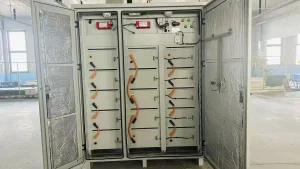
Our solutions provide the high-amperage output capability and backup infrastructure necessary to run heavy electric loads off-grid—including commercial electric tankless water heaters and heavy building mechanical equipment.
China continues to command the global clean tech market, representing over 75% of the manufacturing capacity for lithium storage and solar components. The unique cluster effect of raw material extraction, cell manufacturing, precision engineering, and streamlined logistics allows China-based suppliers to deliver state-of-the-art products with unmatched cost-efficiency. Our manufacturing base in Changzhou leverages this supply-chain synergy directly.
From highly optimized assembly lines to stringent quality assurance protocols, Chinese factories deploy automated robotic assembly, deep chamber thermal testing, and high-frequency wave calibration to guarantee unit longevity. For global B2B procurement partners, this translates to faster turnaround times, comprehensive custom configuration support (OEM/ODM), and competitive pricing schedules that keep project economics highly viable.
Our client database reflects the international transition toward renewable solar energy systems. HYBO products have been successfully exported and installed across the European Union, the United Kingdom, South Africa, Southeast Asia, Asia, Australia, New Zealand, Japan, and the Middle East.
This wide footprint guarantees that our technical teams understand regional grid compliance rules, grid-tie certifications, thermal requirements, and localized environmental conditions, ensuring that your equipment works perfectly under any scenario.
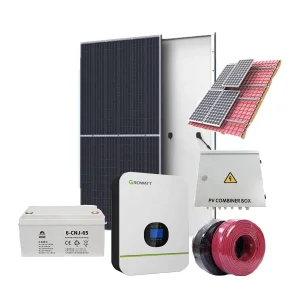
From heavy field labor to reliable residential standby, off-grid energy storage and solar heating systems protect everyday workflows.
Designed for critical setups, remote installations, and extreme operating terrains:
Providing steady backup to domestic water heating and vital circuits:
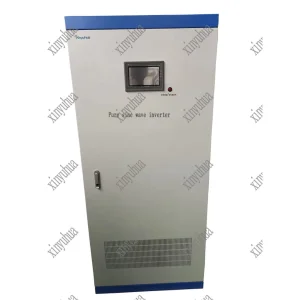
Delivering pure sine wave electricity anywhere under the sun:
Before procuring an off-grid energy storage system or matching it with high-load heating equipment, it is vital to calculate your aggregate electrical draw. Take note of how many industrial appliances you intend to run simultaneously, their starting vs. running wattage, your projected runtime requirements, and local historical sun hour averages. Factoring in these metrics helps determine the exact inverter capacity, solar PV input limit, and battery cycle capacity required to run your operations efficiently.
Expert technical insights regarding solar tankless water heating systems and off-grid energy storage integration.
Explore our technical-grade selection of heavy-duty backup batteries, hybrid storage containers, and customizable off-grid solar equipment packages.