HYBO Energy
HYBO Energy
HYBO Energy
Select high-performance system components engineered for extreme durability and dynamic energy production.
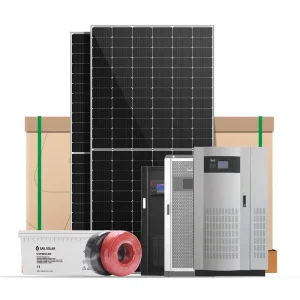
As the international community aggressively accelerates decarbonization, wind energy has transitioned from a secondary clean energy source to the very backbone of modern utility grids. However, harnessing kinetic energy at massive scale requires more than just erecting wind turbines. It demands an interconnected ecosystem combining structural engineering, highly responsive energy storage systems (BESS), and intelligent power conversion hardware. To ensure modern energy grids remain resilient under volatile weather patterns, operators are increasingly designing hybrid wind-solar farms coupled with centralized lithium-ion battery banks.
This integration of wind energy and high-performance battery systems addresses the inherent challenge of wind intermittency. Modern factories in China have adapted to this paradigm shift by expanding their operations from basic wind mechanical parts to highly sophisticated wind-solar hybrid microgrid subsystems, active cooling structural materials, and digital laboratory training devices to support international capacity building.
Analyzing the structural advantages that position Chinese manufacturers as leading global exporters of renewable energy infrastructure.
From the refinement of rare earth permanent magnets for direct-drive generators to the forging of heavy-gauge tower flanges, China's localized supply chain minimizes transit bottlenecks and compresses manufacturing cycles by up to 45% compared to regional competitors.
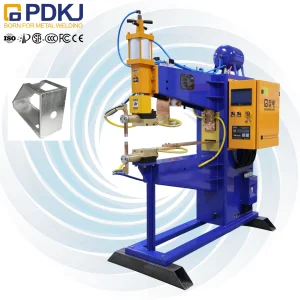
Utilizing high-precision equipment like extended-arm resistance spot welders and automated robotic welding rigs, Chinese manufacturers maintain tight dimensional tolerances for aluminum and alloy structural casings, critical for outdoor enclosures subject to salt-spray and high humidity.
Massive industrial zones optimized for renewable energy technology production enable substantial capital reinvestment. Companies can rapidly iterate on product designs, incorporating advanced materials like Phase Change Material (PCM) cores and high-capacity LFP chemistry.
Exporting industrial wind turbine subsystems and large-scale battery storage units to strictly regulated markets such as the European Union, the United Kingdom, North America, and Australia demands unwavering adherence to grid safety codes and environmental standards. Standard compliance is not merely a legal checkbox; it determines the system's operational viability when interconnected with high-voltage utility infrastructure.
To assure compliance, Chinese exporters implement rigorous Factory Acceptance Testing (FAT). This includes thermal imaging under high-load cycles, short-circuit current simulation, and structural stress tests of structural elements such as heavy-duty steel frameworks and aluminum electrical enclosures. Additionally, localized engineering support ensures that system parameters—such as grid voltage and utility frequencies—are custom-tuned before dispatch, preventing commissioning delays.
Modern renewable energy planning relies on a balance between large-scale commercial power generation and the training of operational personnel. Below is an engineering breakdown of critical equipment currently exported from leading Chinese manufacturing hubs:
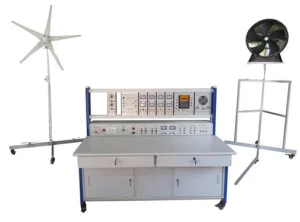
Systems like the Ze3719 Wind Energy Trainer serve a vital role in global engineering labs. Featuring functional scale wind turbines, analog pitch controls, and telemetry interfaces, they allow technicians to master wind turbine operation, MPPT tracking, and power inverter dynamics in a safe, controlled environment.
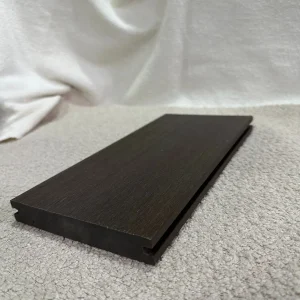
Fluctuating outdoor temperatures can degrade battery life. Using advanced Thermomatrix WPC Phase-Change Material (PCM) cores in battery container walls absorbs excess ambient heat during peak hours and releases it during cold spells, keeping critical electronics within their narrow optimal temperature window.
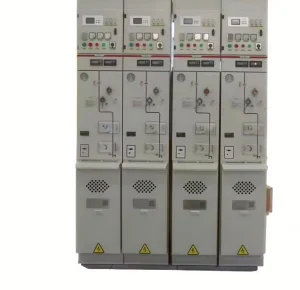
Transitioning low-voltage generator outputs (0.4kV) to medium-voltage transmission grids requires specialized machinery. Units such as the 5000kVA Large Ground Photovoltaic and Wind Grid-Connected Step-Up Transformers are built to withstand high short-circuit loads and maintain efficiency over 98.8% under continuous duty cycles.
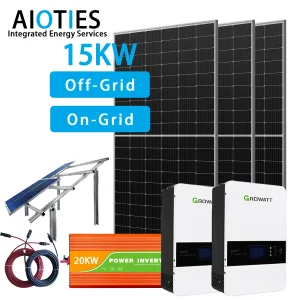
Integrating these components into a unified renewable facility maximizes both power output and asset longevity. Chinese manufacturers have developed a deep competency in tailoring each parameter—from the thickness of structural steel components to the firmware inside energy storage battery management systems—to align with the specific grid characteristics of the destination country.
Changzhou HYBO New Energy Co., Ltd. specializes in the production, design, manufacturing, and sales of lithium battery energy storage products. Starting from household energy storage, the company has strategically expanded its operational footprint to the fields of small industry, commercial installations, and highly versatile portable energy storage systems.
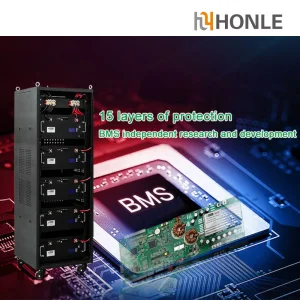
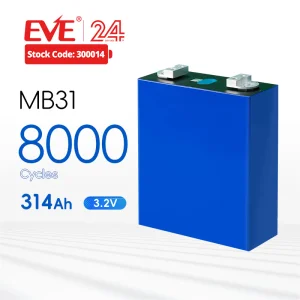
Relying on our proprietary advanced Battery Management System (BMS) and self-developed patented technology, our energy storage systems deliver superior thermal stability, reliable cycling performance, and robust fault-mitigation mechanisms. HYBO systems have successfully cleared demanding international certifications, including TUV, IEC, and CEC.

Our commitment to quality, engineering integrity, and fast-response technical support has enabled us to establish a global distribution network. HYBO products are actively deployed across the European Union, the United Kingdom, South Africa, Southeast Asia, Central Asia, Australia, New Zealand, Japan, and the Middle East.
By matching our state-of-the-art battery arrays with local solar and wind resources, we help grid operators, utility developers, and commercial entities achieve long-term energy independence while insulating their operations against rising fossil fuel costs and unexpected grid outages.
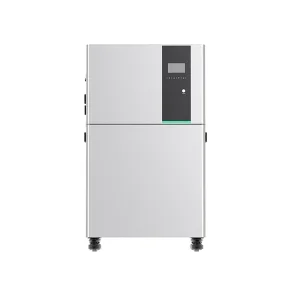
A portable power station makes it possible to capture, store, and utilize clean electricity while camping, working in remote areas, or operating completely away from utility grids.
Applications: Installation and Maintenance; Construction and Extraction; Farming and Gardening; Community Service; Hospital Nursing; Transportation; Remote Office; Art and Media; Outdoor Business Operations.
In industrial settings, portable power stations eliminate the noise and emissions associated with traditional gasoline generators. They supply clean sine-wave electricity to sensitive electronic diagnostic devices, power tools, medical equipment, and remote communication modules, ensuring safe operation without power fluctuations.
Applications: Emergency Preparedness; Backyard Maintenance; Daily Household Utility; Domestic Health Care; DIY Projects and Hobby Rooms.
When utility lines fail during severe storms, residential energy storage units or portable stations act as critical life-support systems. They seamlessly maintain the operation of home refrigerators, critical healthcare equipment (like CPAP machines), lighting circuits, and communication gear until grid operators restore main line power.
Applications: Hiking; Camping; Off-Grid Cabin Living; Tailgate Parties; Outdoor Movies; RV Life; Overlanding; Social Gatherings; Fishing.
Modern outdoor recreation relies heavily on energy. High-efficiency LFP storage devices let you run portable refrigeration, recharge camera gear, operate GPS equipment, and power outdoor lighting setups without needing to run loud, polluting combustion engines.
Before purchasing a portable power station or home battery storage system, it is crucial to perform a load assessment. Calculate the cumulative wattage of the appliances you intend to run simultaneously, determine their peak startup surge currents, calculate the necessary run-time (in watt-hours), and evaluate local solar irradiance levels. This data is critical for choosing the appropriate inverter size, battery chemistry, solar input capacity, and physical output interfaces (AC, DC, USB-C) for your off-grid setup.
"Let us enjoy life more comfortably. We often worry about life without electricity, such as power cuts and lack of access to outdoor energy sources. But as long as we have a dependable portable power supply or hybrid residential energy storage system, these challenges are resolved. Our modern power stations are designed to make clean energy convenient, accessible, and safe."
Direct technical insights to guide procurement decisions, grid code alignment, and project execution.
Explore additional systems, from high-capacity transformers to energy-efficient building structures and residential battery cells.