HYBO Energy
HYBO Energy
HYBO Energy
High-accuracy IoT meters and multi-circuit smart loggers engineered for the hot, humid, and saline island environments of Samoa.
Samoa, like many Small Island Developing States (SIDS), faces high baseline energy costs. The state-run utility company, the Electric Power Corporation (EPC), has driven massive efforts toward decentralization and solar PV farm deployment. However, integrating massive quantities of renewable energy (such as the solar installations at Faleolo Airport and the hydro stations on Upolu) introduces severe grid stabilization challenges. Voltage fluctuations, frequency shifts, and unexpected reactive power demands require precise, sub-second electrical parameter monitoring to prevent localized blackouts.
In this context, industrial facilities, public infrastructures, and commercial operations across Apia require advanced sub-metering systems to achieve two distinct goals: optimizing internal energy footprints to mitigate high electricity tariffs, and ensuring power factor compliance to avoid grid penalties. High-resolution smart monitoring hardware with edge data logging serves as a crucial defensive barrier and optimization tool for Samoan businesses.
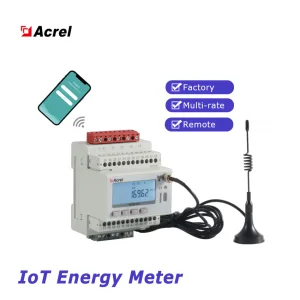
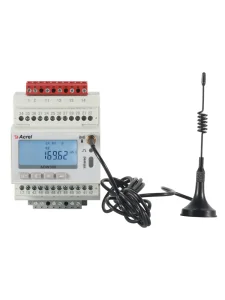
Traditional wired communication structures frequently experience accelerated degradation in Samoa due to heavy precipitation, relative humidity exceeding 80%, and saline atmospheric conditions. The industry is rapidly shifting toward low-power wireless alternatives. LoRaWAN (Long Range Wide Area Network) is ideal for decentralized island topographies. By employing LoRaWAN-enabled energy meters, commercial properties and utility operators can query electrical telemetry across kilometers without high infrastructure wiring costs.
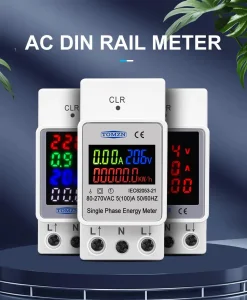
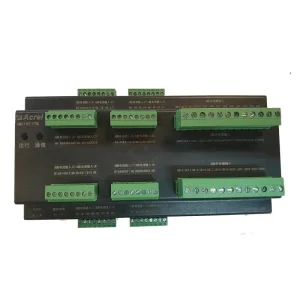
Furthermore, standard protocols like Modbus-RTU remain the backbone of local industrial automation. Combined with rugged, multi-circuit monitoring hardware (such as DIN-rail mounted multi-loop meters), facilities can oversee large-scale solar arrays, critical server complexes, and refrigeration complexes simultaneously.
International procurement managers sourcing energy monitoring platforms prioritize scalability and plug-and-play integrations. As global ESG standards become more stringent, corporate supply chains demand real-time carbon equivalent auditing. Modern energy meters must do more than display current and voltage; they need to process active power, reactive power, power factor, total harmonic distortion (THD), and store data locally in case of network dropouts. In remote markets like Samoa, devices that offer high local storage (e.g., 32GB loggers) and robust remote APIs prevent data loss and reduce total cost of ownership (TCO).
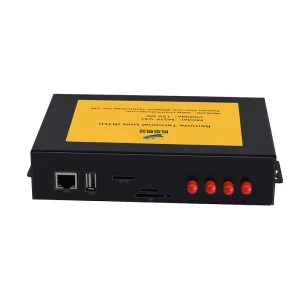
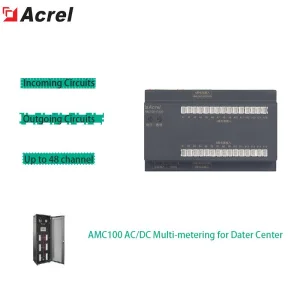
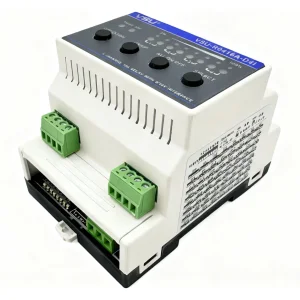
Multi-circuit monitoring solutions designed to map energy distribution in telecom nodes and server arrays, providing per-branch granularity.
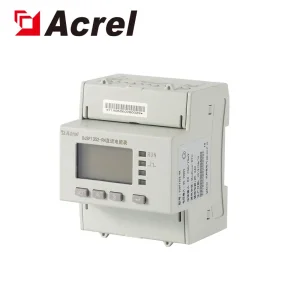
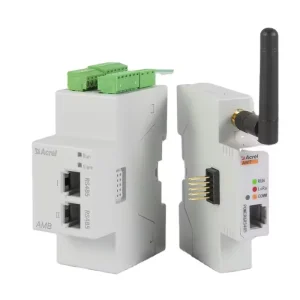
High-voltage dual DC circuit meters, vital for tracking PV generation yields and rapid EV fast-charging station consumption.
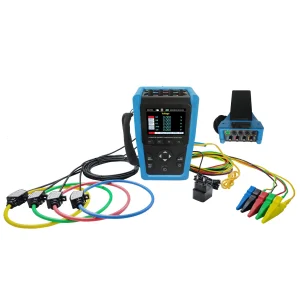
High-precision power quality analyzers that log sag, swell, harmonic distortions, and frequency deviations to protect equipment.
Changzhou HYBO New Energy Co., Ltd. specializes in the production, design, manufacturing, and sales of lithium battery energy storage products. Starting from household energy storage, we have systematically expanded our technological footprint to the small industrial, commercial, and portable energy storage fields.
Our energy storage products rely on the company's proprietary, advanced Battery Management System (BMS) and self-developed patented technologies. Our designs are certified under international compliance frameworks, having passed rigorous TUV, IEC, and CEC testing processes.
Global Footprint: Our engineered systems have been deployed across the European Union, the United Kingdom, South Africa, Southeast Asia, Asia, Australia, New Zealand, Japan, the Middle East, and other territories, bringing customers efficient operations and long-term reliability.
Get Technical Consultation

In grid-isolated regions of Samoa, combining smart energy monitoring with portable lithium storage stations ensures complete operational autonomy.
Enables remote site installation, maintenance, construction, farming, and remote media office setups. Keeps tools powered and measures operational energy draw in real time.
Provides a reliable defense against unpredictable storm-induced blackouts, keeping medical devices, refrigeration, and home monitoring systems active.
Ideal for Samoa's eco-tourism operators, beach fale resorts, marine research, and camping sites looking to run green, silent, carbon-neutral setups.
Before buying a portable power station, audit your expected load: identify the running and surge wattage of your devices, calculate total operational hours, and evaluate local sunshine duration for solar re-charging. Using these parameters ensures you select the correct battery chemistry capacity and inverter output, making off-grid living comfortable and secure.
Explore our full suite of smart metering, LoRa wireless monitoring, and smart grid automation equipment configured for Samoa.
Samoa's proximity to the ocean subjects electronic hardware to constant salt spray and high relative humidity. Our industrial meters feature conformal coating processes on internal PCBs, protecting them from oxidation and galvanic corrosion.
Adhering to strict utility regulations in the Pacific, our product lines are certified to match Australian and New Zealand grid standards, including AS/NZS compliance patterns. TUV, IEC, and Clean Energy Council (CEC) approvals ensure smooth municipal clearance.
Our advanced Battery Management Systems (BMS) dynamically report cell-level telemetry. When linked with AC/DC sub-metering nodes, operators get an accurate view of operational efficiency, battery health index, round-trip efficiency (RTE), and thermal gradients.
Frequently asked questions regarding delivery, integration, and performance in Samoa.
Get in touch with our applications engineering department. We provide custom integration support, protocol mapping configurations, and bulk import rates for contractors.
Send Inquiry Now